ARTWORKS
TRIBUTES
RODIN
BACK TO RESEARCH MENU
WORKS / TRIBUTES / STUDIES / ARCHIVES
17 Pages /
INTRODUCTION / GOYA / MANET /
MARLENE DUMAS / INGRES / ROPS / RODIN
RODIN
PARRESIA
OR UNEFFECTIVE INTIMACY
Michel Foucault developed the concept of parrhesia as a mode of discourse in which people express their opinions and ideas frankly and honestly, avoiding manipulation,
rhetoric, or broad generalizations.
Here, the aim is to capture fleeting moments of intimate lives, generally invisible and yet so common to our shared humanity.
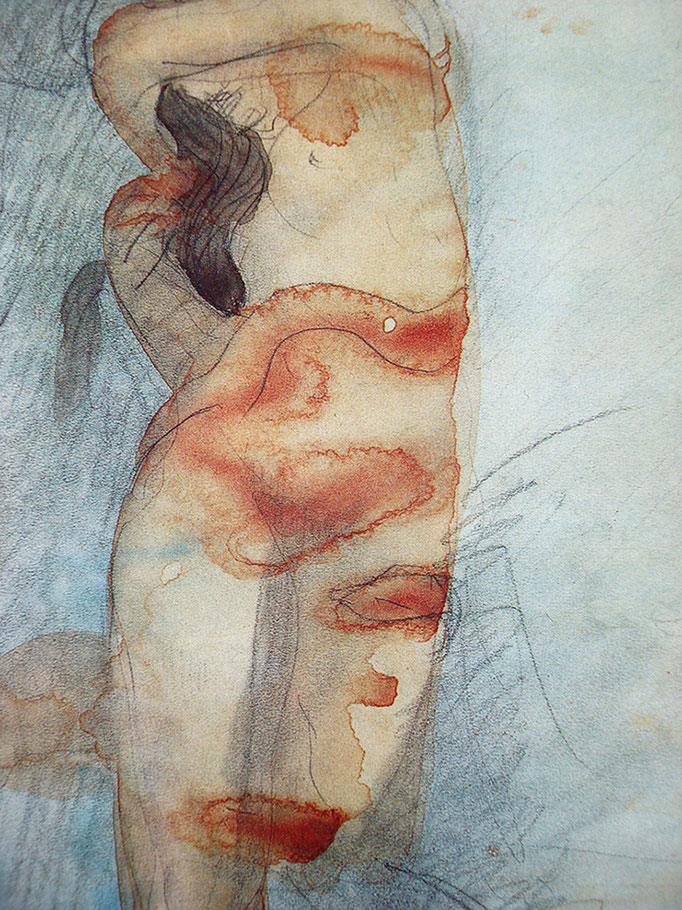
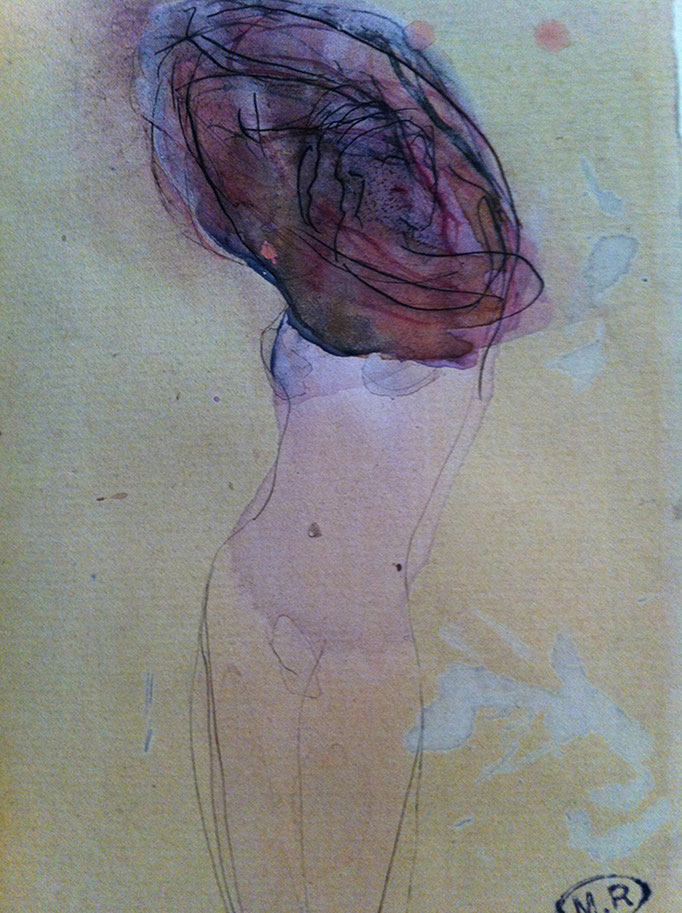
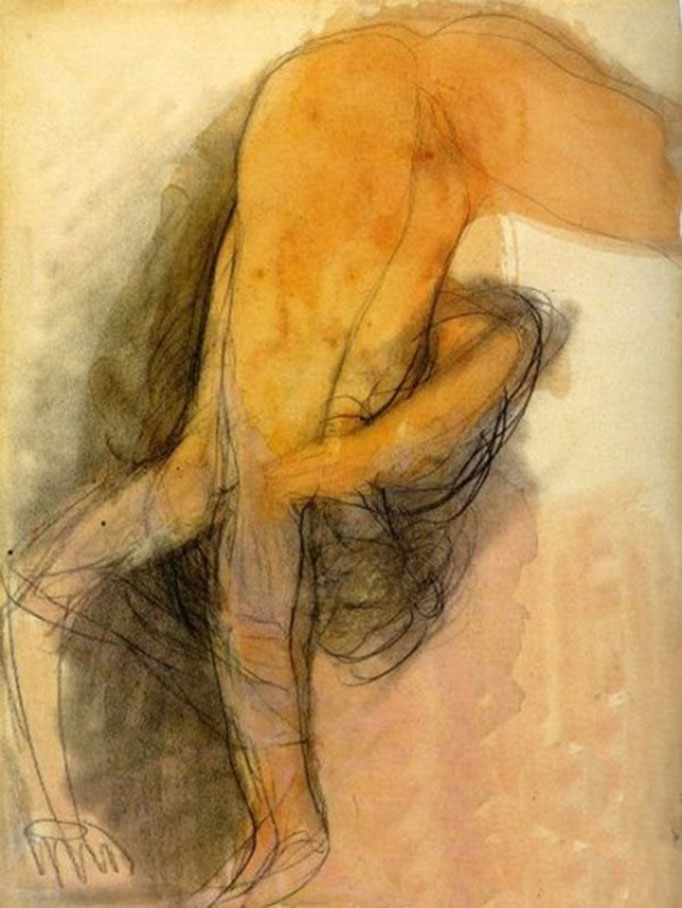
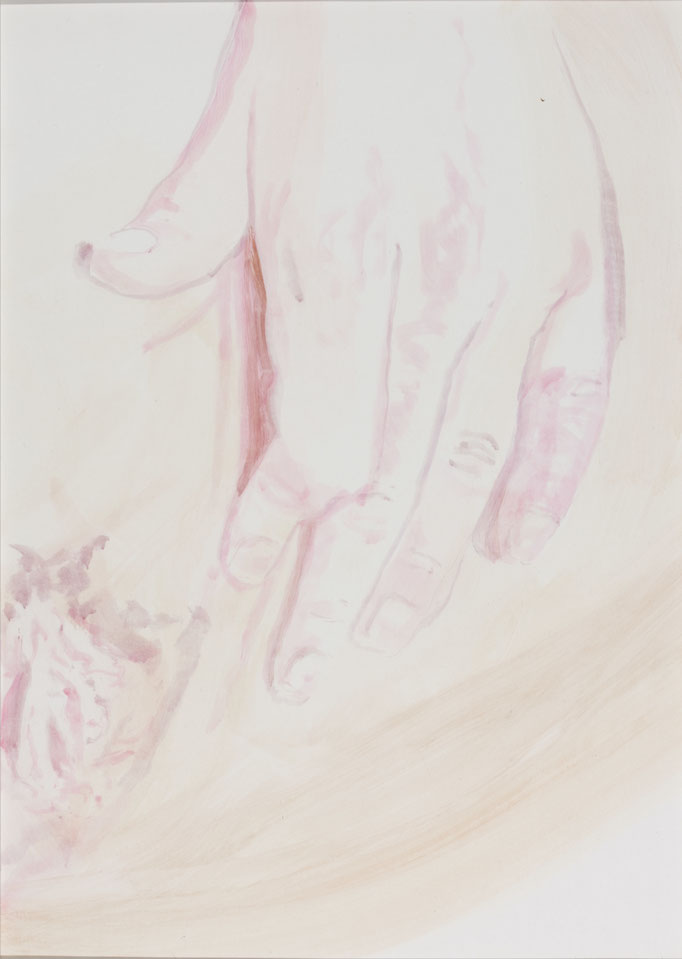
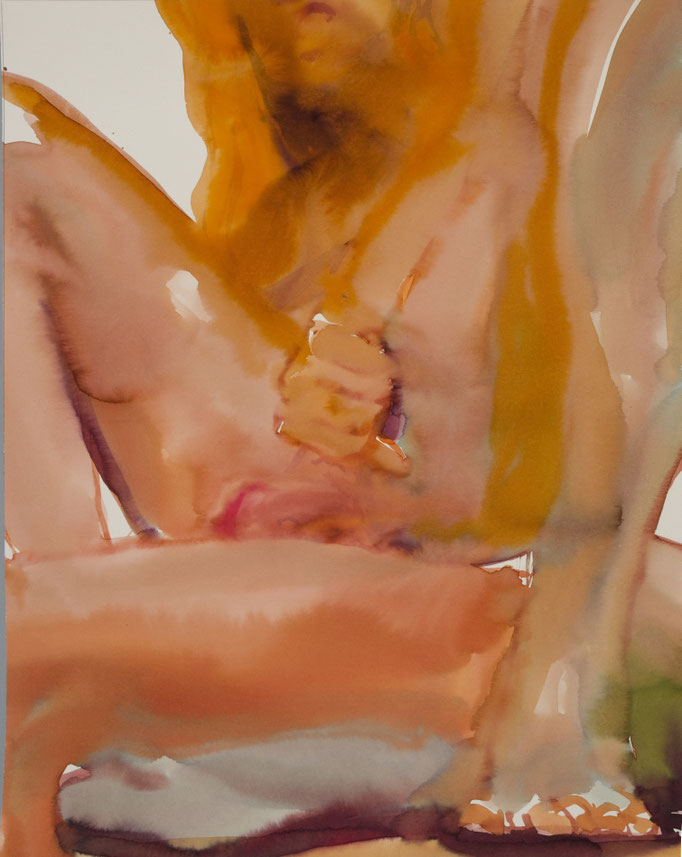
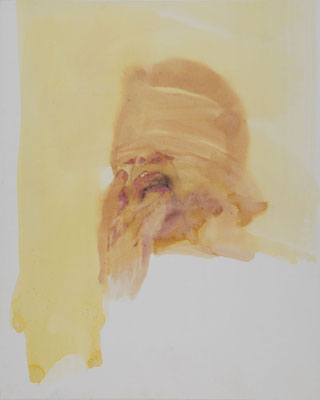
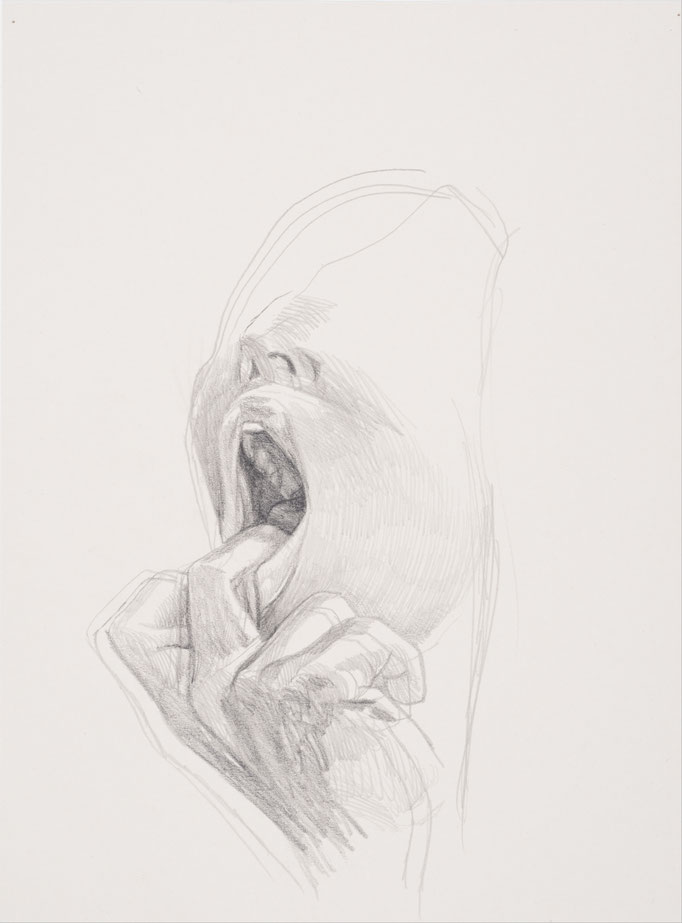
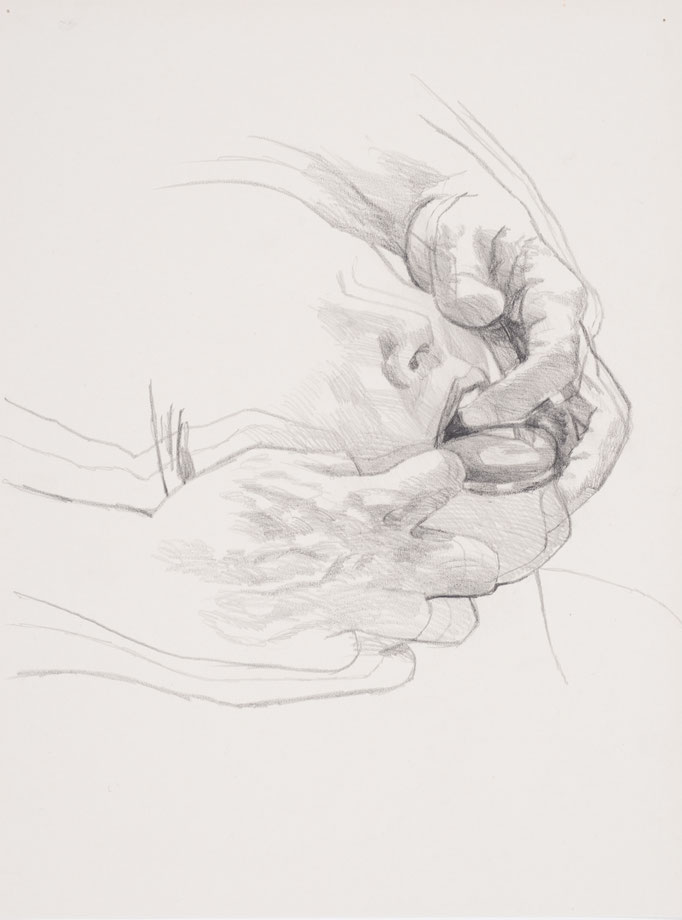
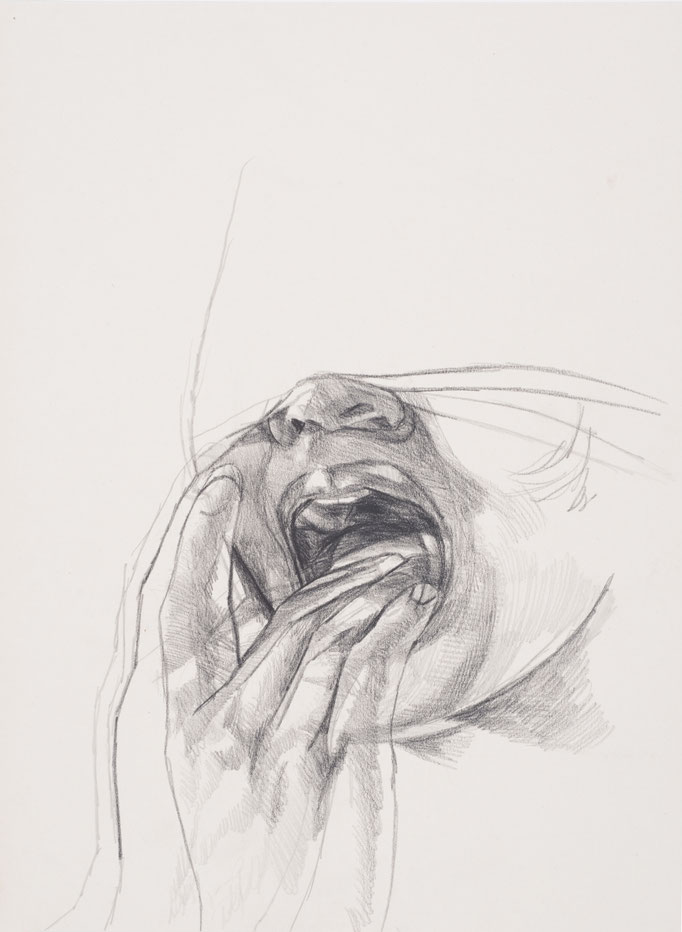
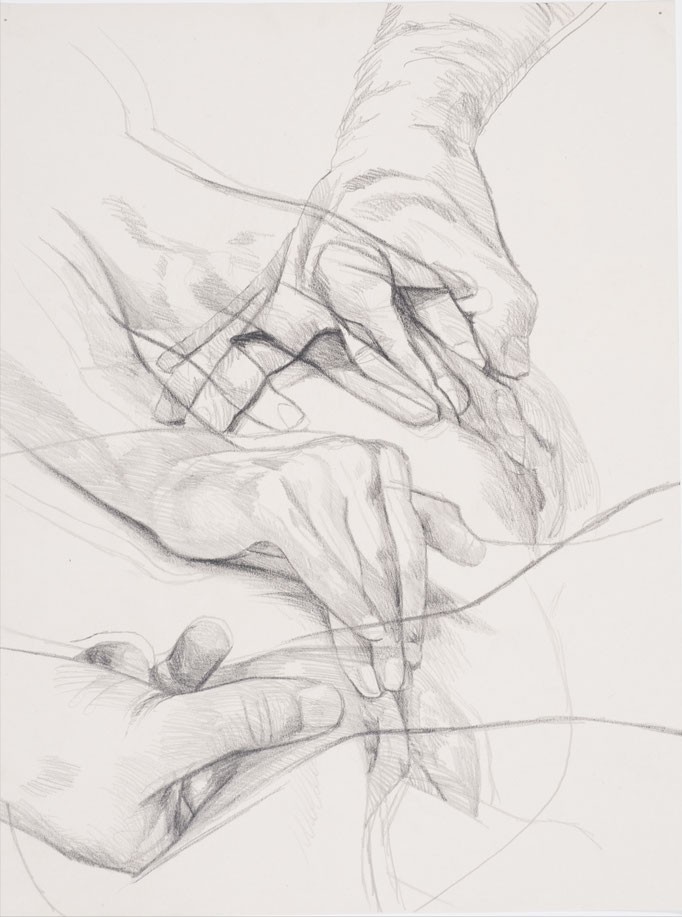
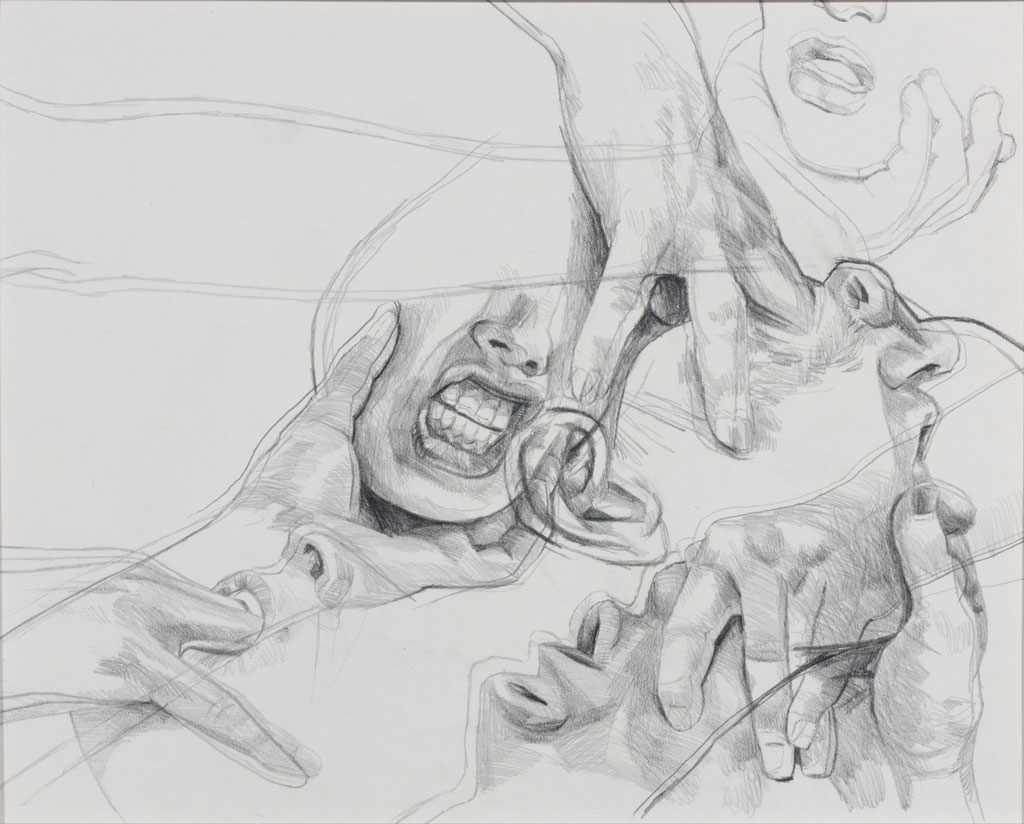
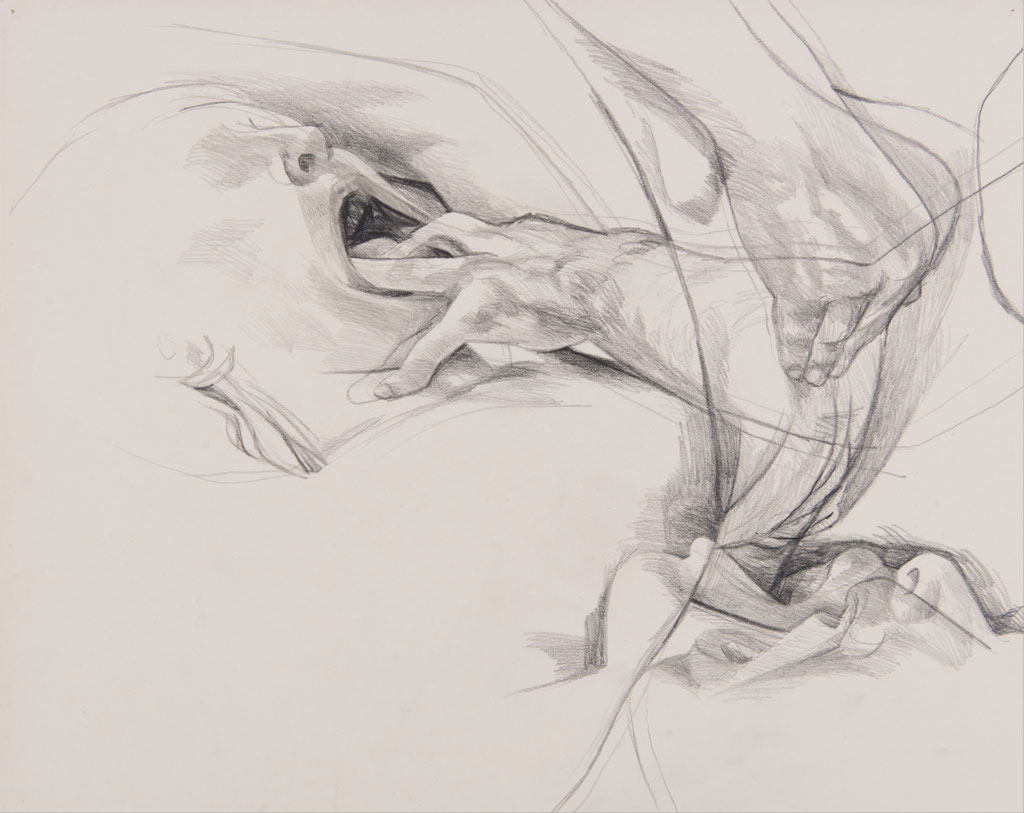
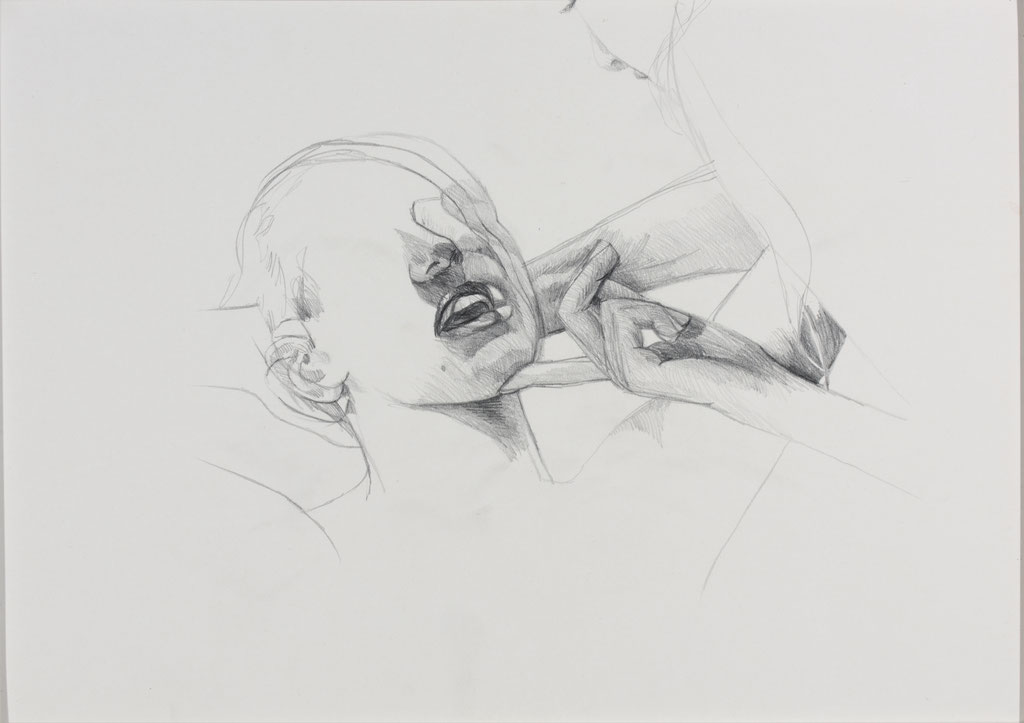
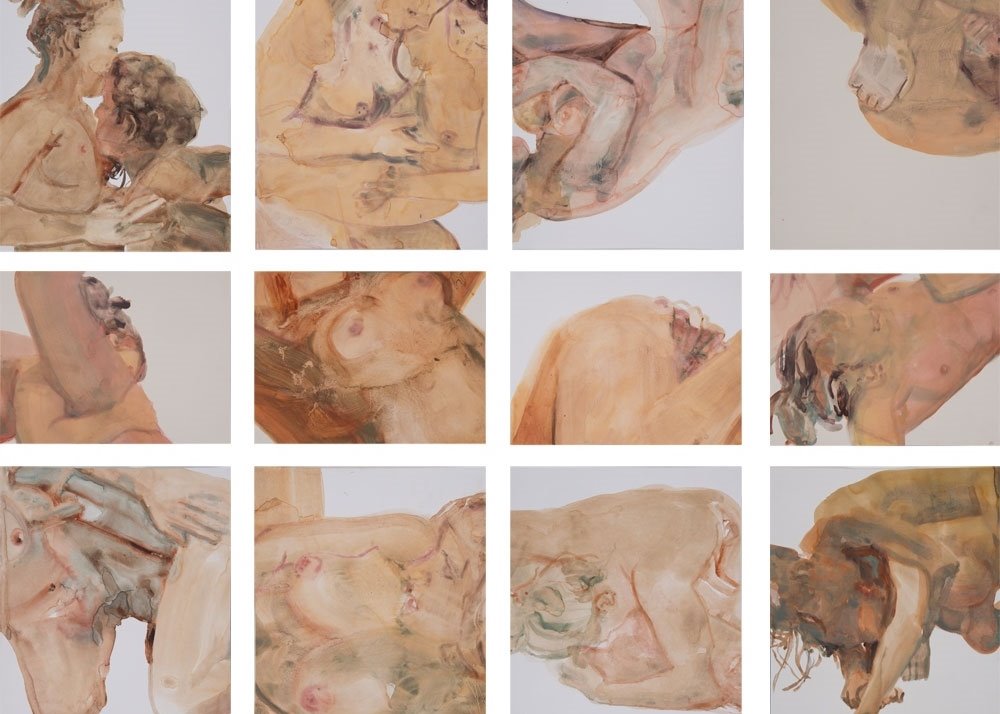
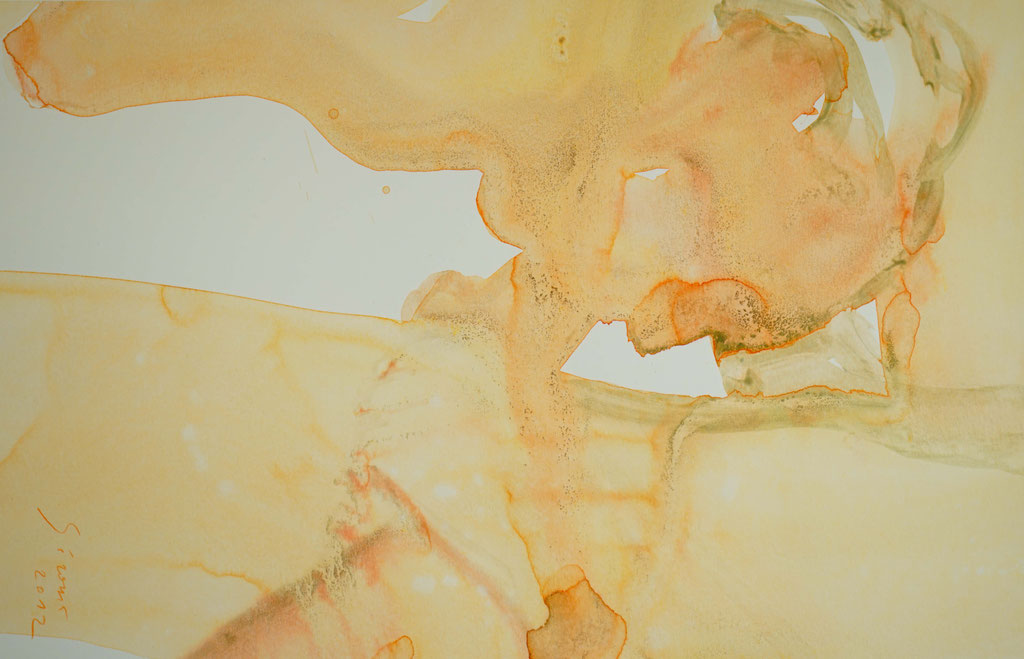
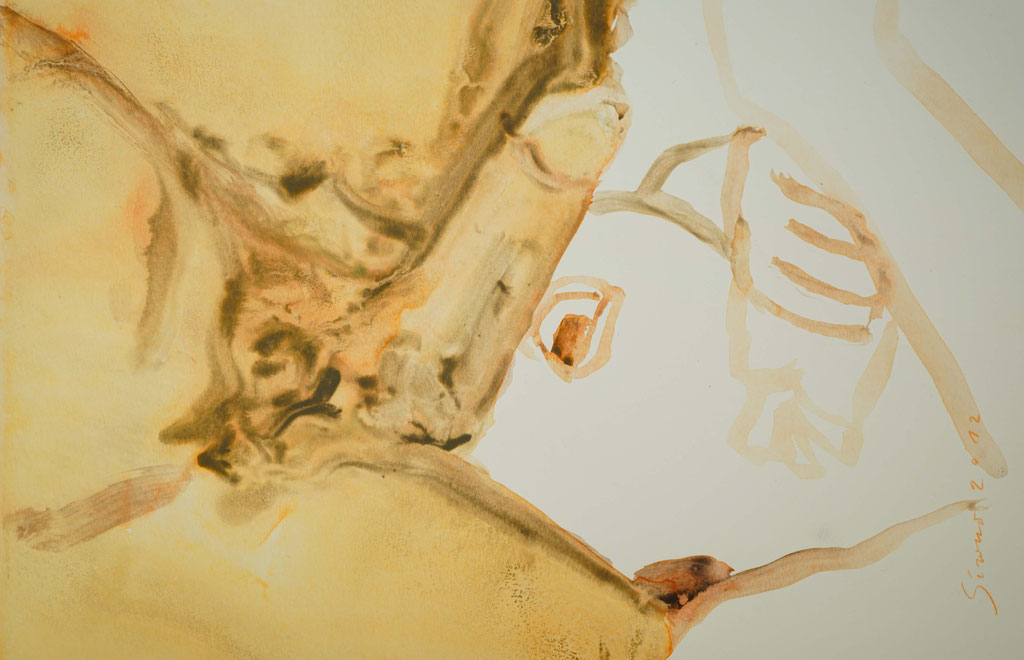
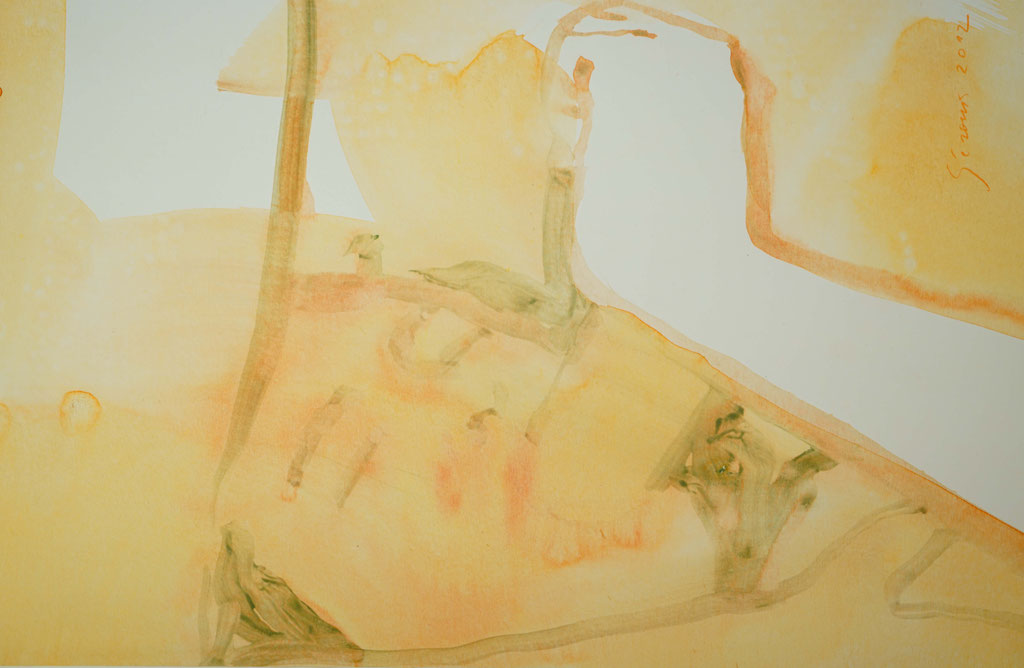
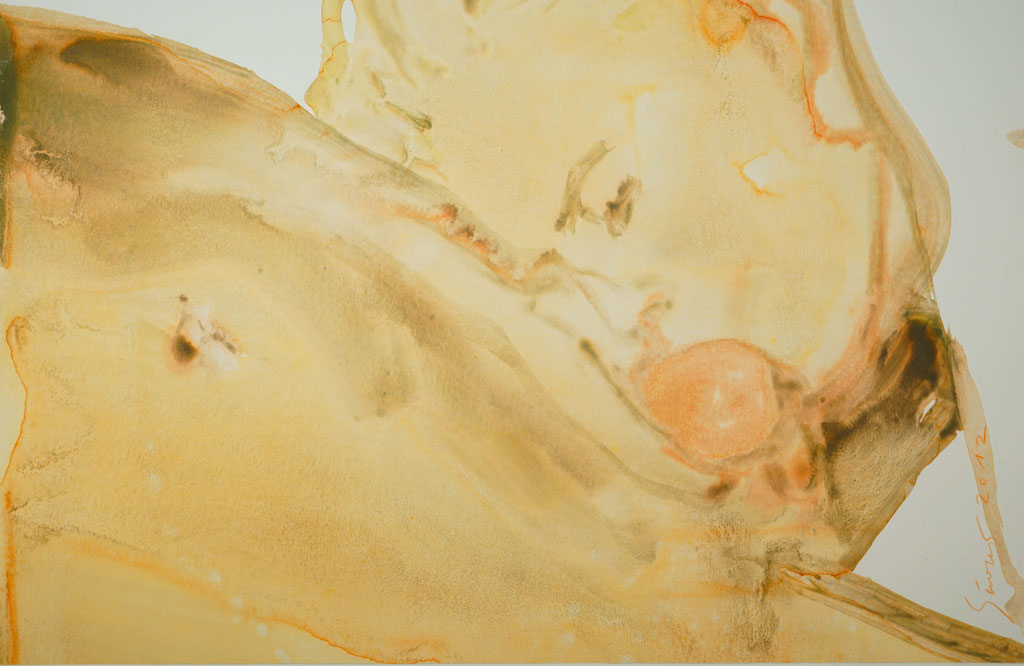
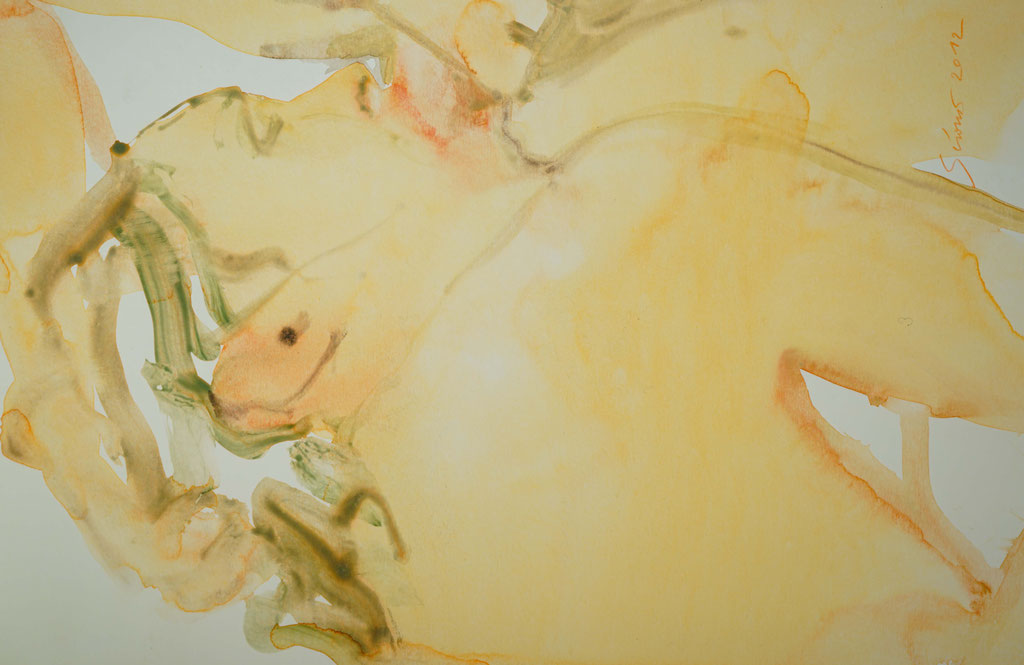
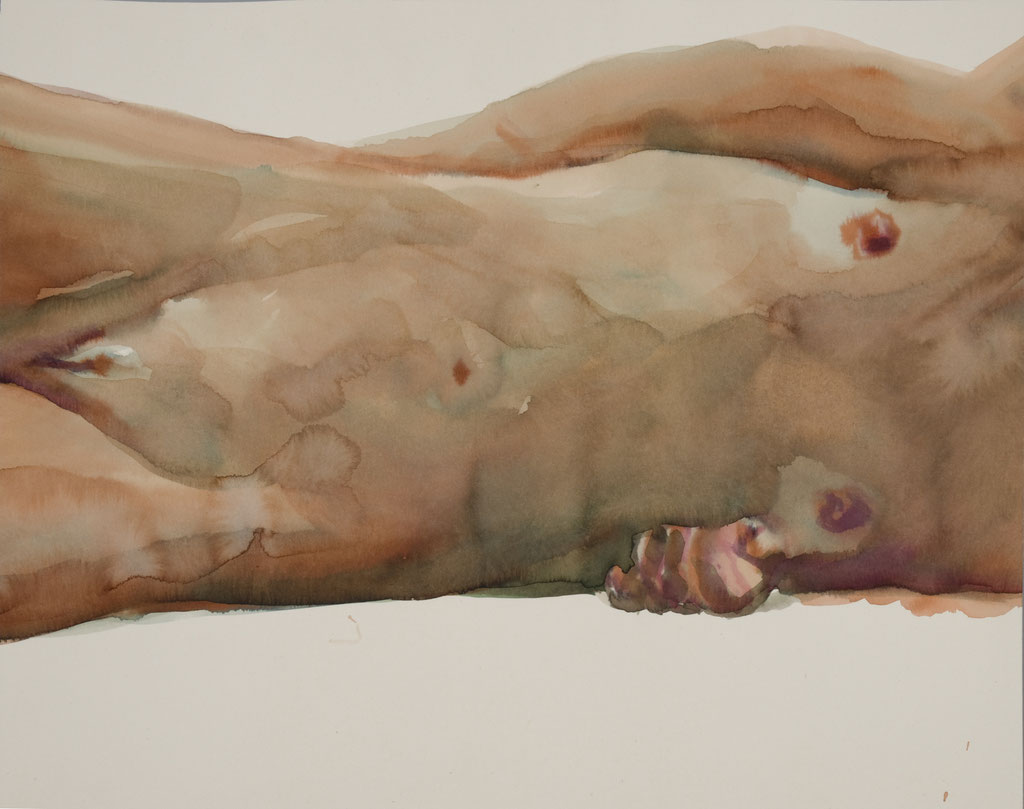
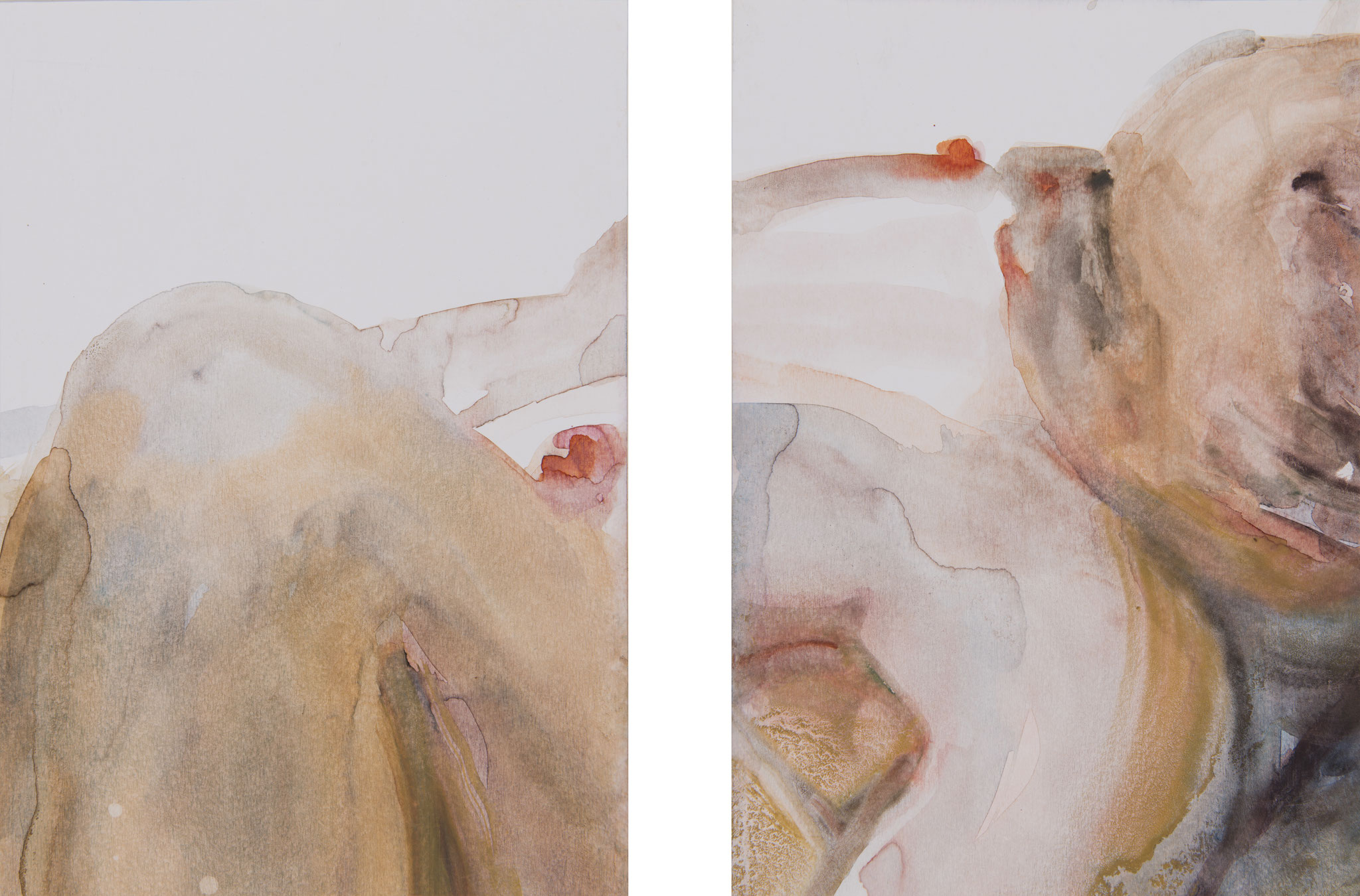
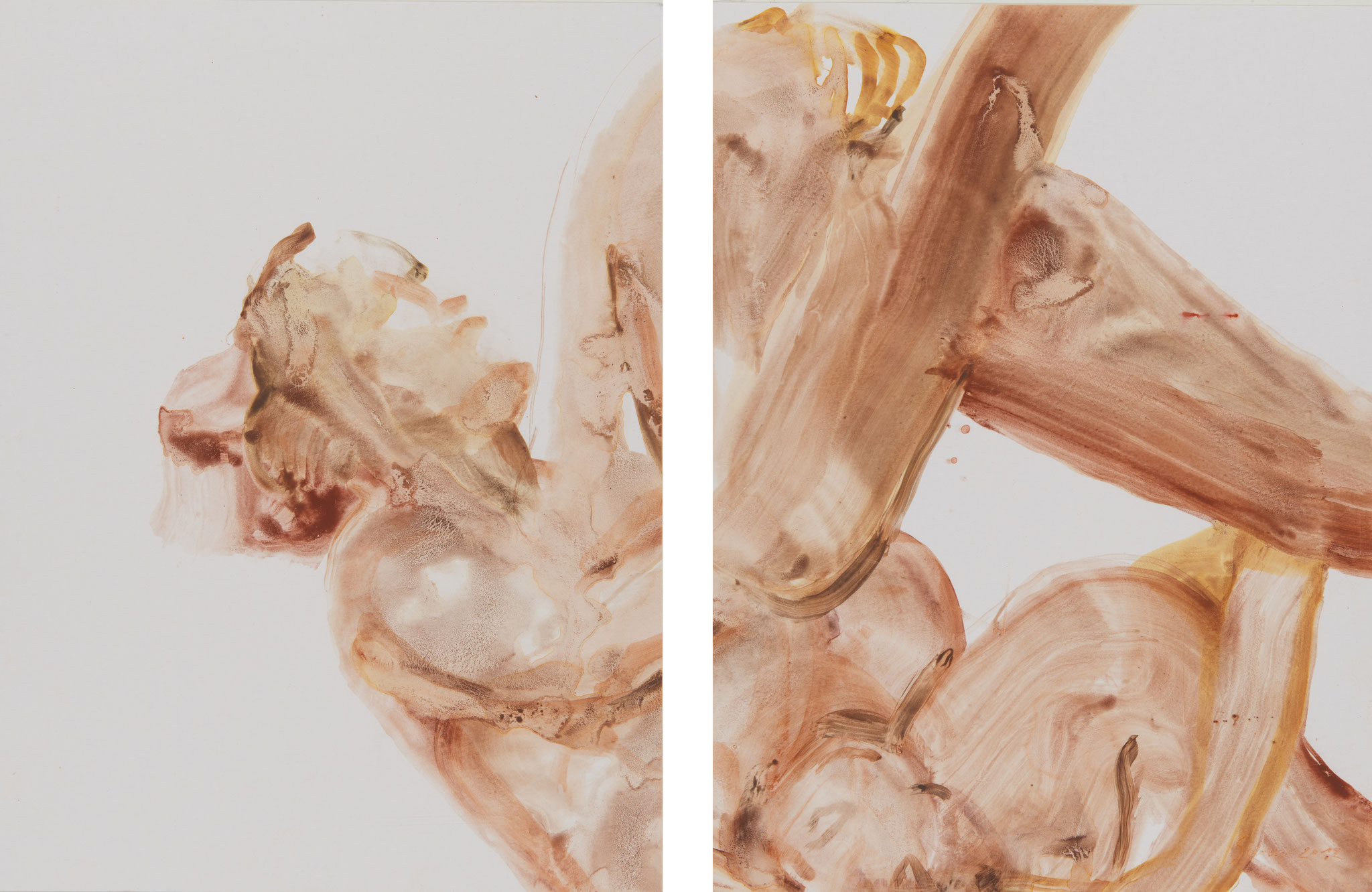
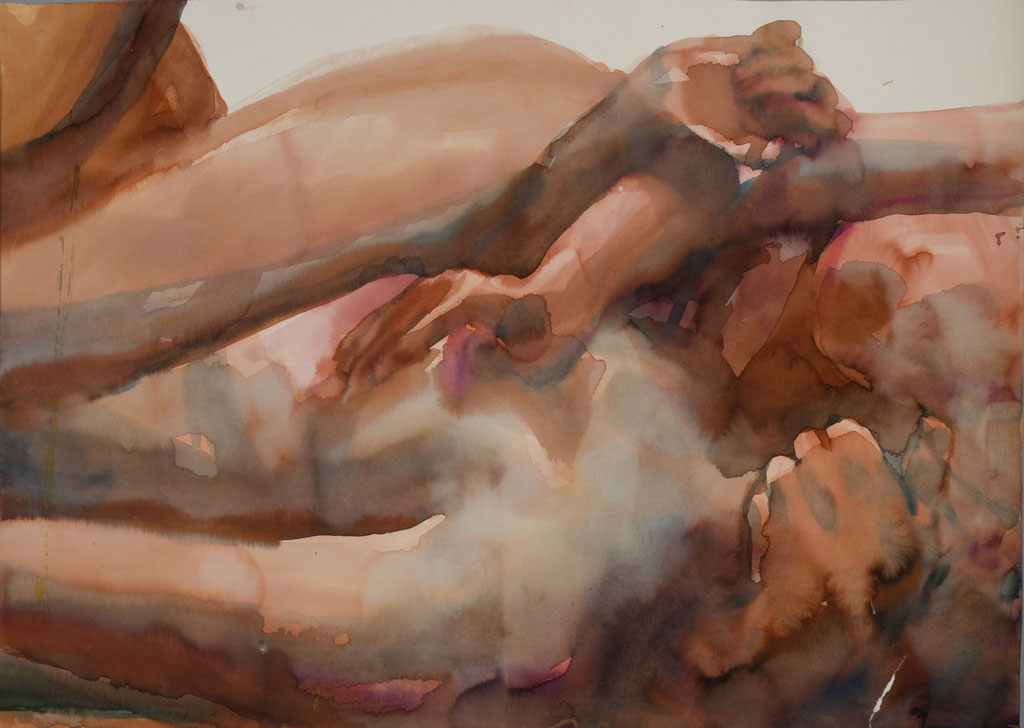
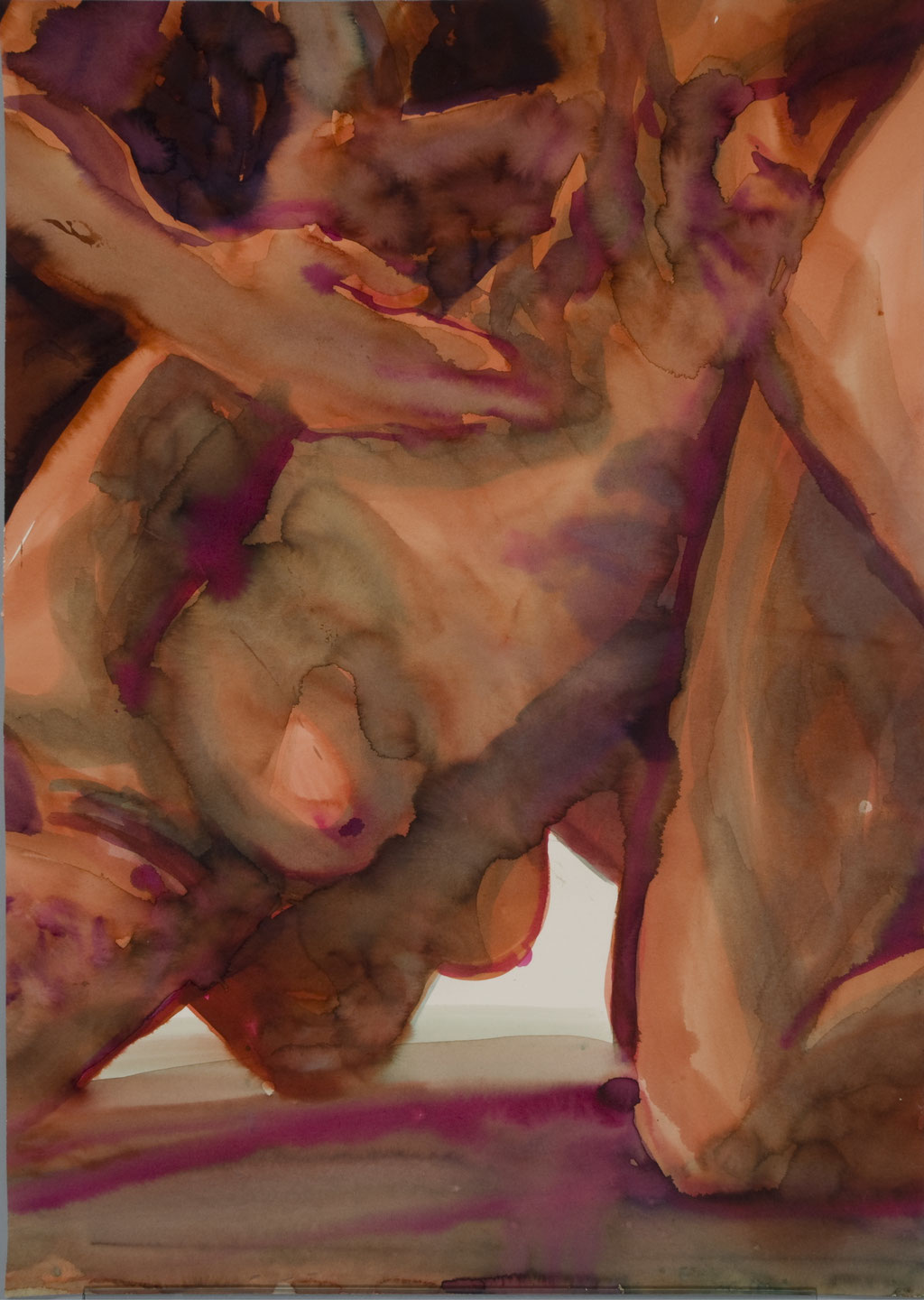
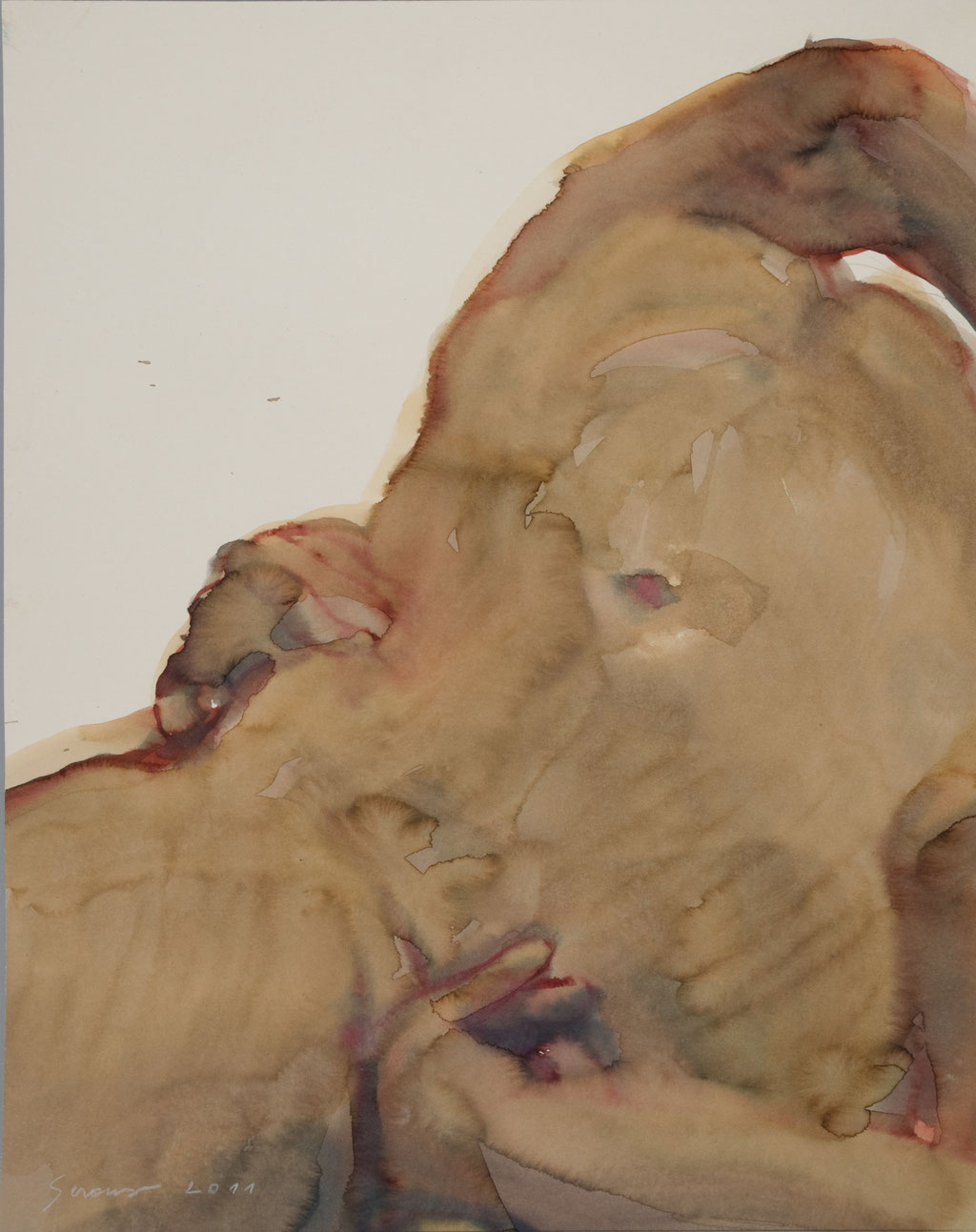
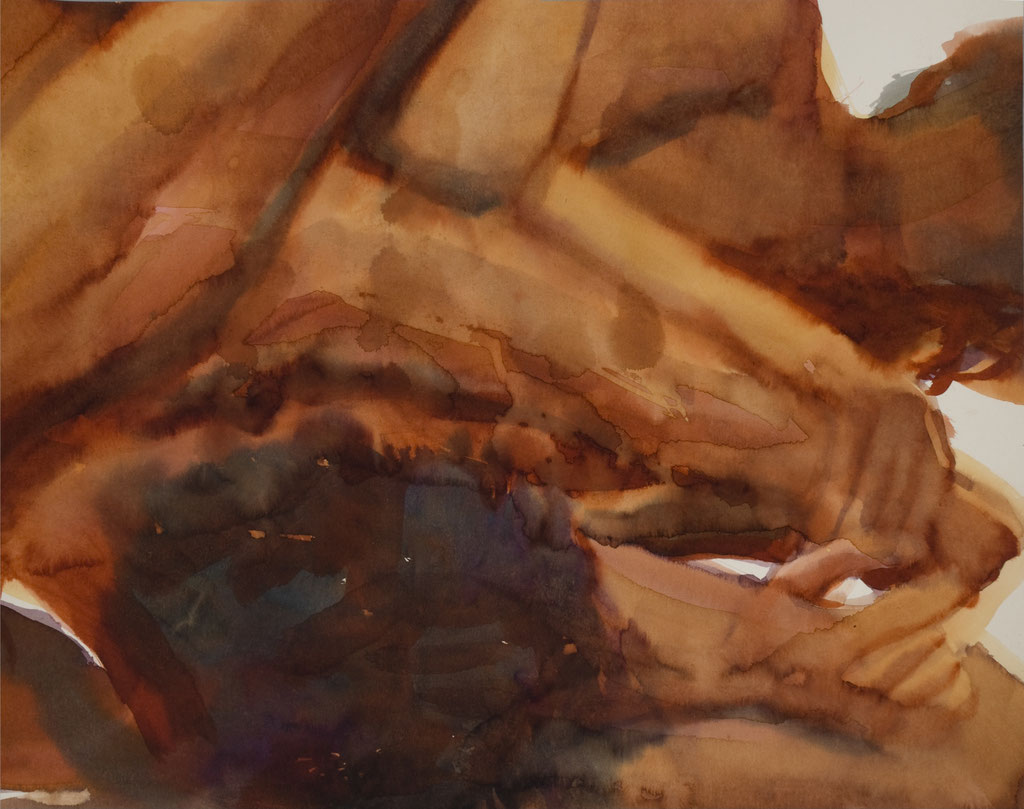
Auguste Rodin's (1840-1917) post-1900 work includes several hundred erotic drawings. In these drawings, Rodin always focuses on one or two nude models, attentively observing the mysterious region of the vulva. His models agree to reveal their genitals to his gaze, often caressing themselves, sometimes reaching the heights of pleasure, allowing the artist to capture the most intimate and expressive movements of their bodies. In Rodin's work, the "modern" assertion of a visual vocabulary independent of reality (freedom of line, elliptical forms, intense colors, and an abstract, decontextualized background) rivals the erotic nature of his drawings.







BACK TO RESEARCH MENU
SUMMARY
A / Absence / A.I. / Ambitions / ARTS B / Belle de jour / Bovary C / Caldera / Confidences / Consents D / Dreams E / Escapes / Ecstasies / Enjoyments / Exhibitions G / Glutony H / Hallucinations K / King Kong theory M / Madness / Magic N / NIGHT / Night meetings / North / Nothing O / Origines / Overlays R / Rebellions / Rendez-vous / Resentments S / Sirens T / Tourism V / Vices and virtues / Viewers W / Winds
TRIBUTES / Goya / Ingres / Manet / Marlene Dumas / Rops / Rodin /
STUDIES