Elie BARNAVI / Jean Claude CARRIERE / Patrick CHAMOISEAU / Claude / André COMTE SPONVILLE / Umberto ECO / Fred & T / Gilbert & George / Edouard GLISSANT / Douglas HOFSTADTER / Delphine HORVILLEUR / Jacob / Jef / Jo / Jean-Yves JOUANNAIS / Fred LANZENBERG / Jean-Marie Gustave LE CLEZIO / Léontine & Félix / Rachel / Samuel MAOZ / Tobie NATHAN / Paul QWEST / Felwin SARR / Elia SULEIMAN / Bénédicte SAVOY / William / Yolande ZAUBERMAN

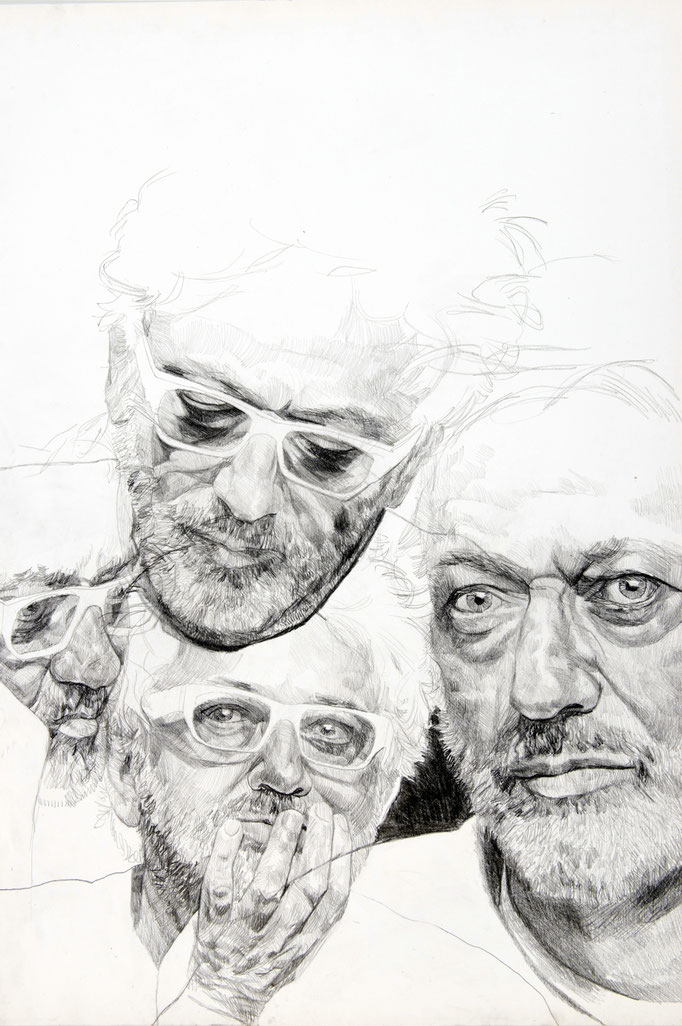

70 / 50 cm x 3
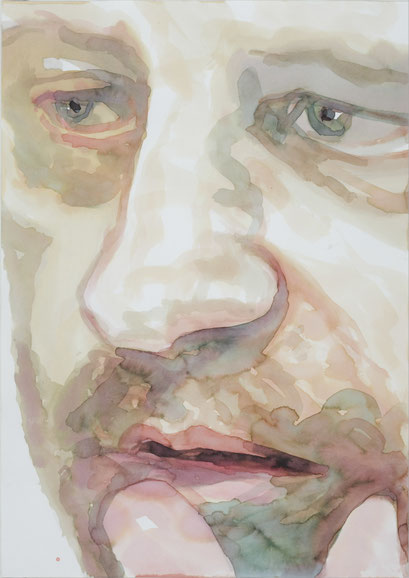
Elia Suleiman 2013
Elia Suleiman, born on 28 July 1960 in Nazareth (Israel), is a Palestinian Christian director, screenwriter and actor of Israeli nationality. He is best known for his 2002 film, Intervention divine, a tragic modern comedy about daily life in the Palestinian territories, which won the Jury Prize at the Cannes Film Festival in 2002. Often compared to Tati or Keaton, Elia Suleiman handles burlesque and gravity with the same poetic sense.
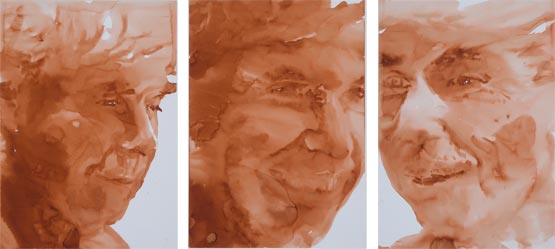
30 / 21 cm x 3
Douglas Hofstadter
Douglas Richard Hofstadter, born on 15 February 1945 in New York, is an American scientist and academic, best known for his book Gödel, Escher, Bach: Strands of an Eternal Garland (1979), which won the Pulitzer Prize for non-fiction in 1980.
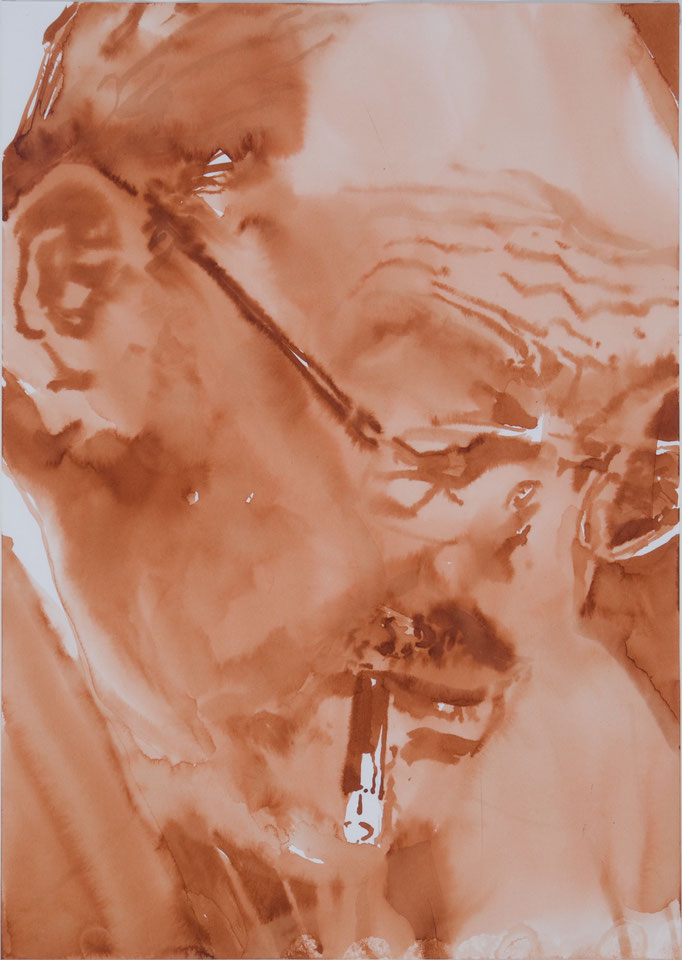


30 / 31 cm x 3
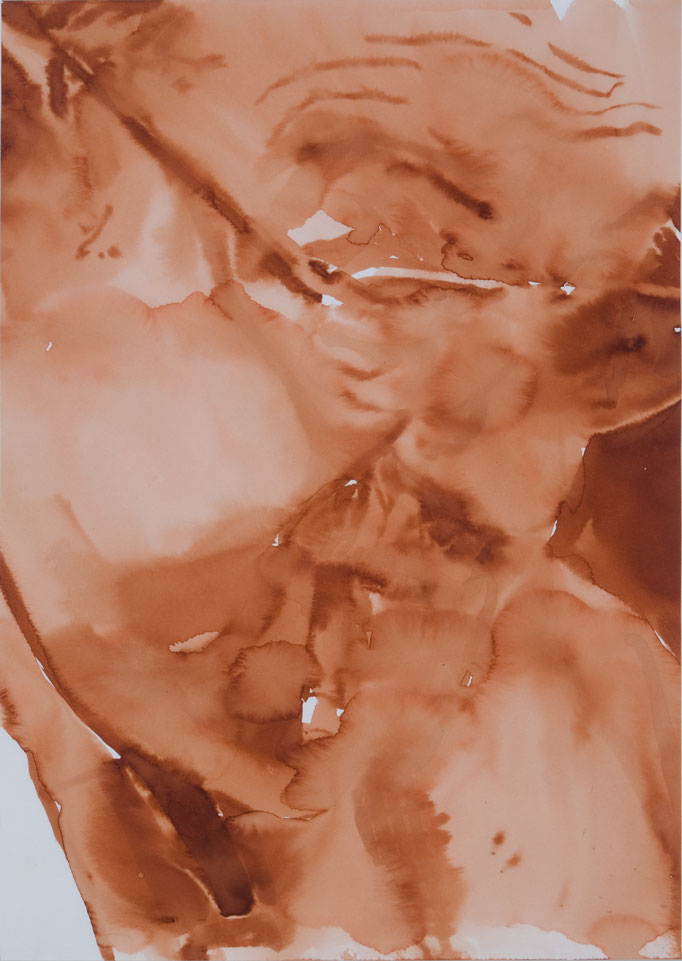
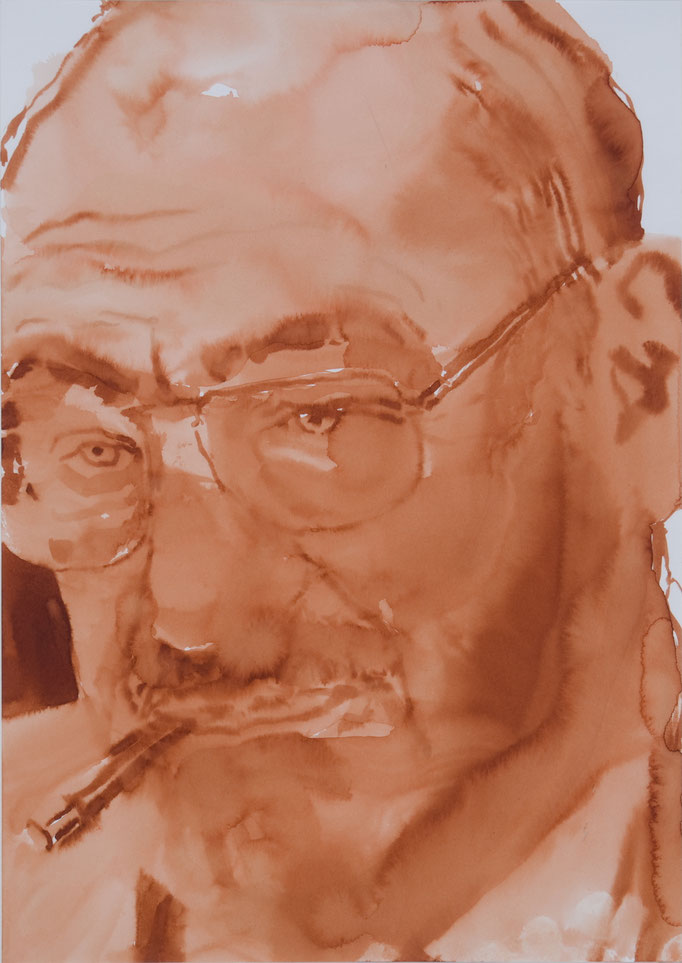
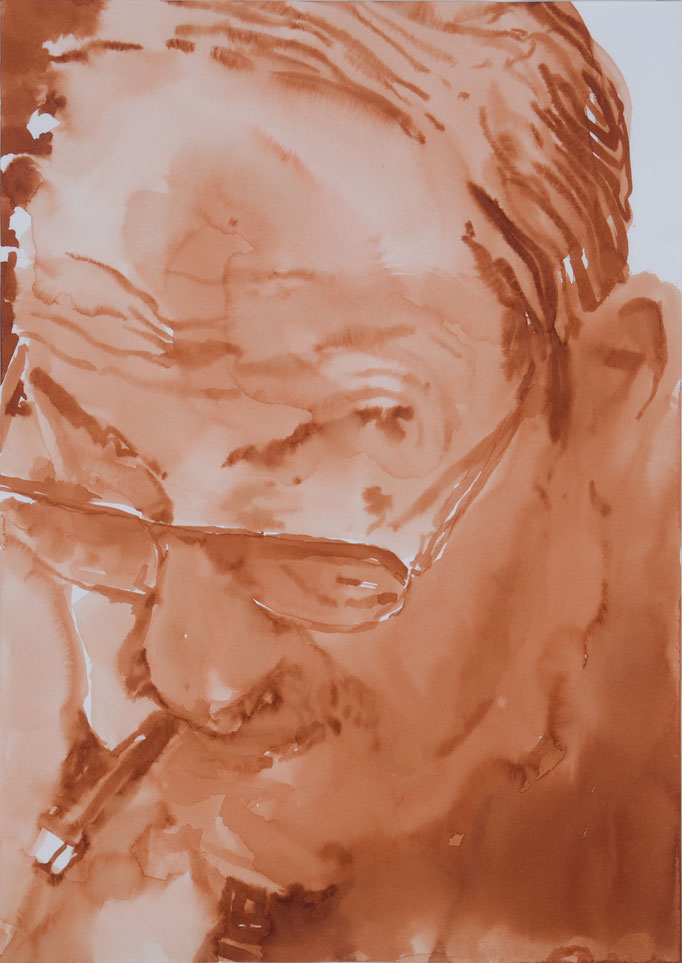
30 / 21 cm x 3
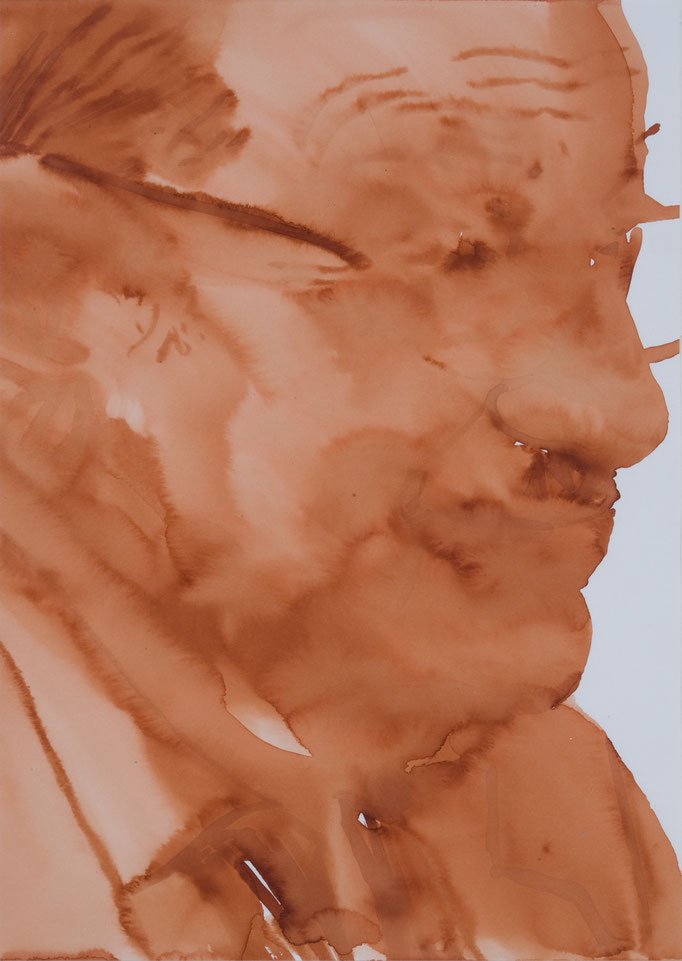
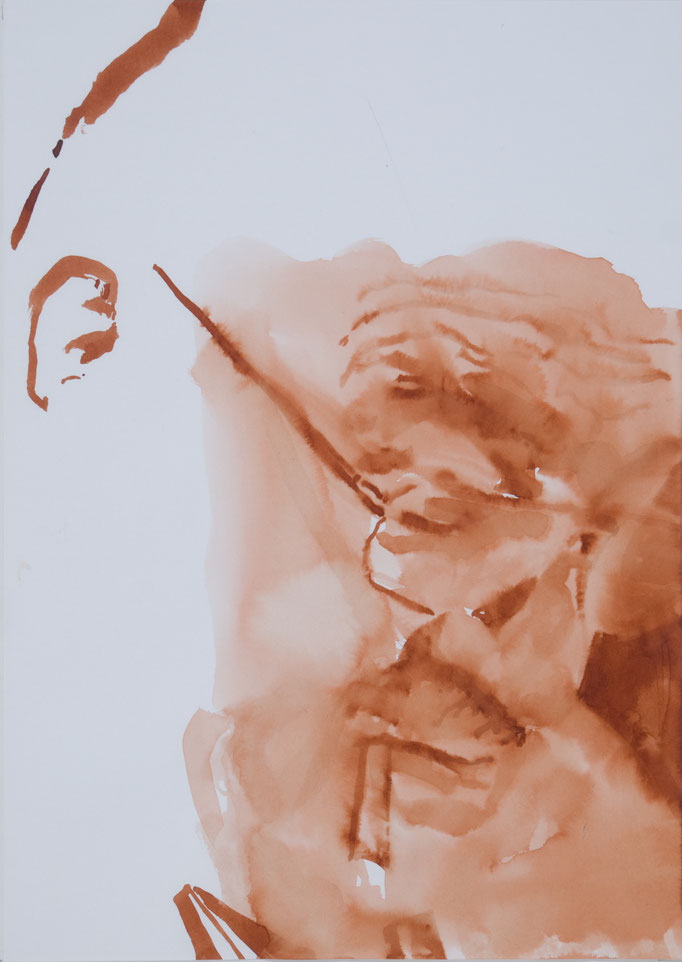
30 / 21 cm x 2
Umberto Eco
Umberto Eco was an Italian academic, philosopher, semiotician and writer. Known for his many academic essays on semiotics1, medieval aesthetics, mass communication, linguistics and philosophy, he is best known to the general public for his novels. After completing a doctorate at the University of Turin, he became Professor of Semiotics and then Dean of the Faculty of Humanities at the University of Bologna, before becoming Emeritus Professor in 2008.
The notion of the ‘possible world’ developed by Eco stems from research into logic by Thomas Pavel and Teun A. van Dijk. Eco defines a possible world as ‘a state of affairs that is expressed by a set of propositions where, for each proposition, either “p” or “no” exists’. In other words, a possible world is made up of individuals who carry within them a set of properties that are not just static characteristics or personality traits, but can also be actions. Possible worlds depend on a narrative instance that creates unity and cohesion among the different elements of the possible world. Narration is capable of explaining the multiplicity of sensory and cognitive experiences through the use of fiction.
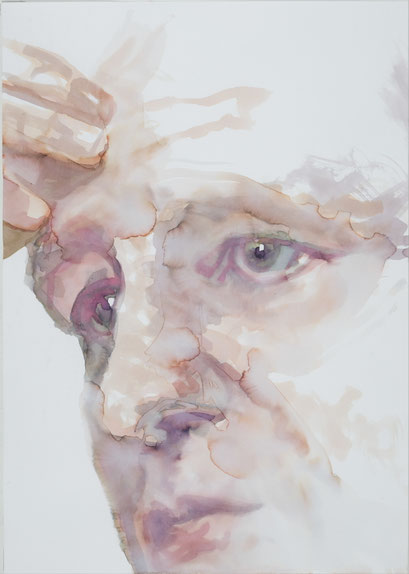

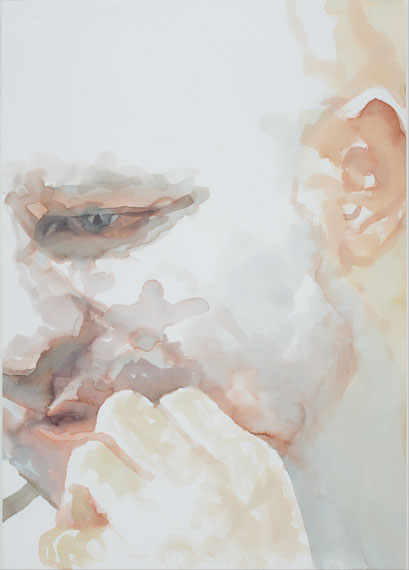

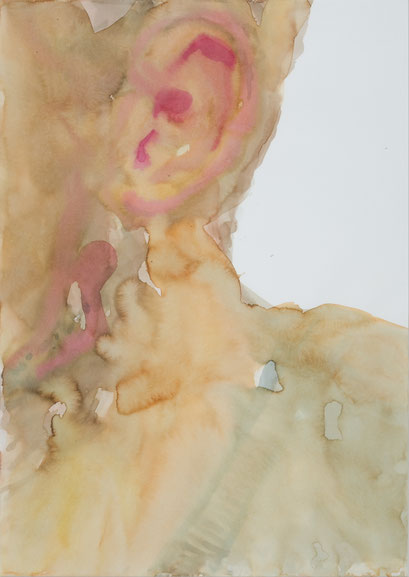

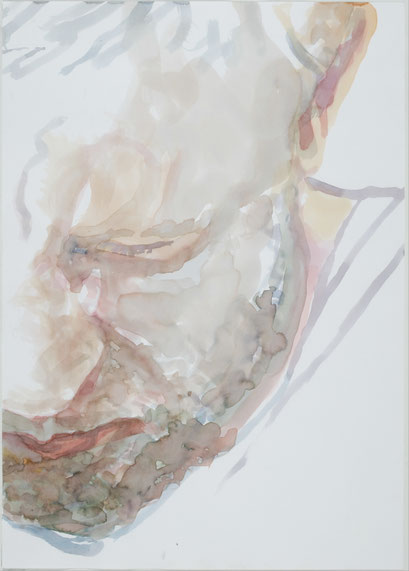





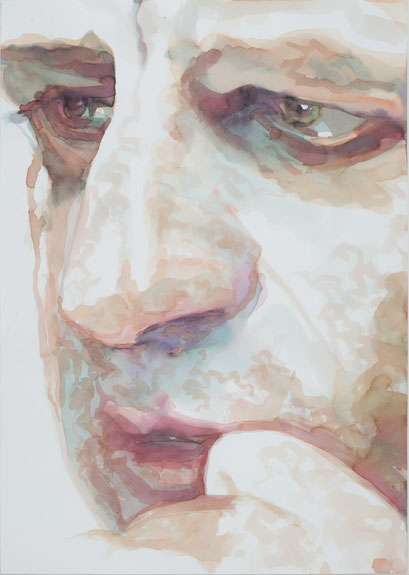
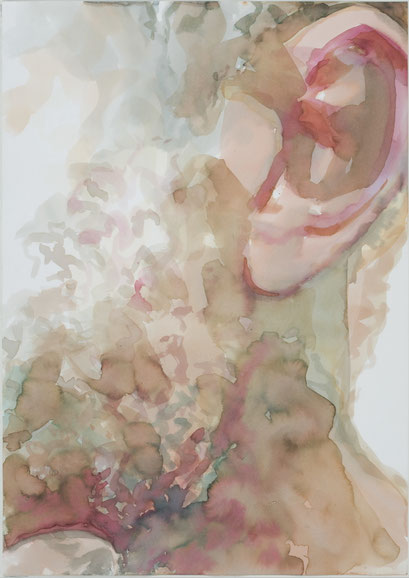
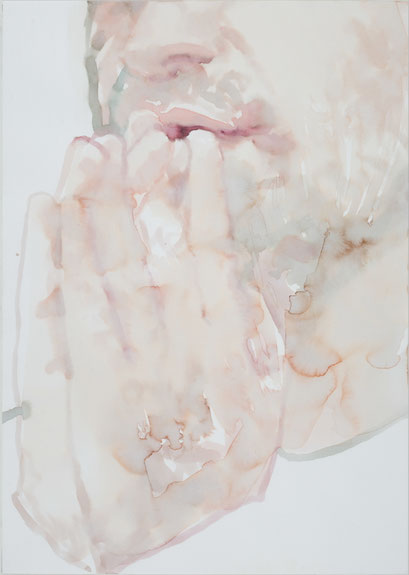

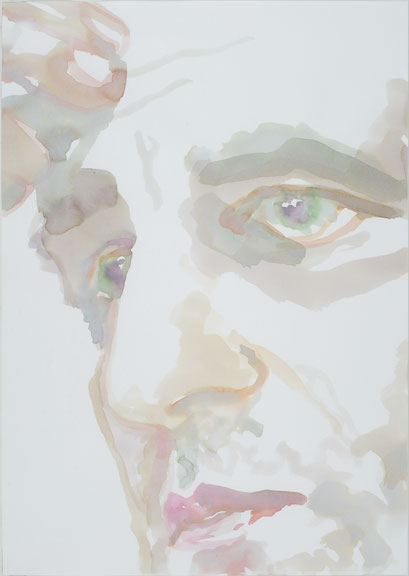
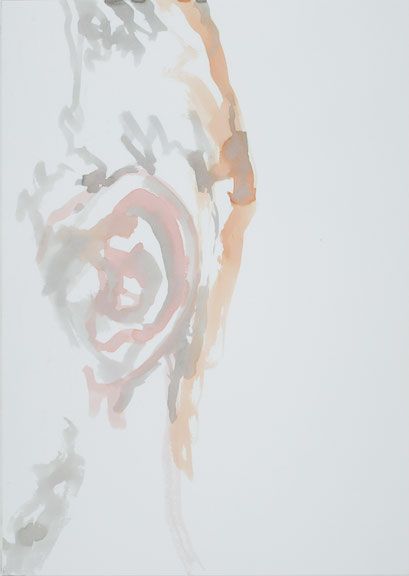
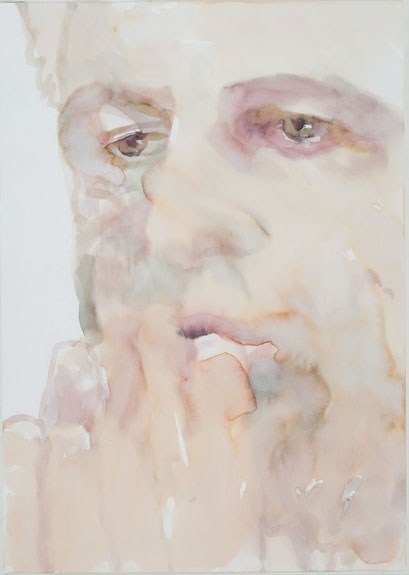
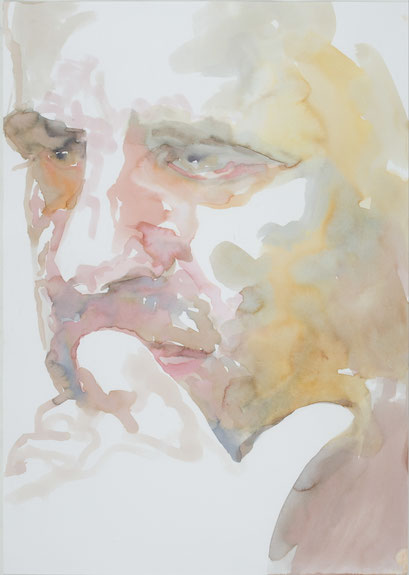
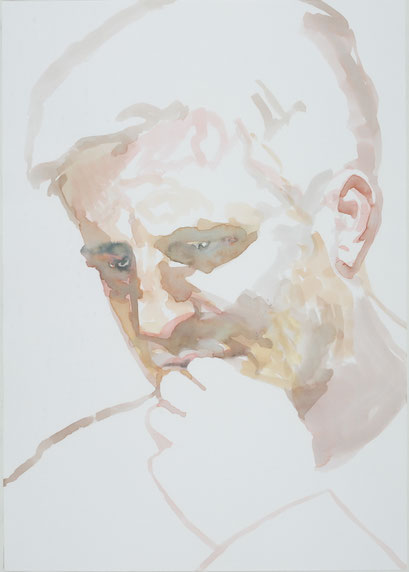



30/ 21 cm x 25
Jean-Yves Jouannais
As a teenager, Jean-Yves Jouannais founded the Revue perpendiculaire.
The group moved to Paris, where Jean-Yves Jouannais became editor-in-chief of the magazine Art Press.
He is the author of several essays, novels and collective works.
Artistes sans œuvres: I would prefer not to, Éditions Hazan, 1997
Des nains, des jardins: essais sur le kitsch pavillonnaire, Éditions Hazan, 1999
L'Idiotie. Art. vie. politique - méthode, Beaux-arts Magazine livres, 2003
Les Barrages de sable, éditions Grasset & Fasquelle, 2014
Félicien Marboeuf (1852-1924). Correspondence with Marcel Proust, éditions Verticales, 2022
He was the editor-in-chief of Exhibition magazine (a contemporary art programme broadcast on Arte, produced by MK2 TV).
Since 2009, he has hosted the video conference show L'encyclopédie des guerres, which can be seen at the Centre national d'art et de culture Georges-Pompidou4 and the Palais du Tau in Reims, among other venues. His project is to compile an encyclopaedia of all the wars in the history of mankind, and to share only the quotations he has collected.