A PHILOSOPHY
PREAMBLE
1 / THE UNTRANSLATABLE
2 / THE BLIND SPOT OF OUR PERCEPTIONS
3 / QUEER & SUBALTERN STUDIES
4 / AN ATLAS OF THE UNFATHOMABLE
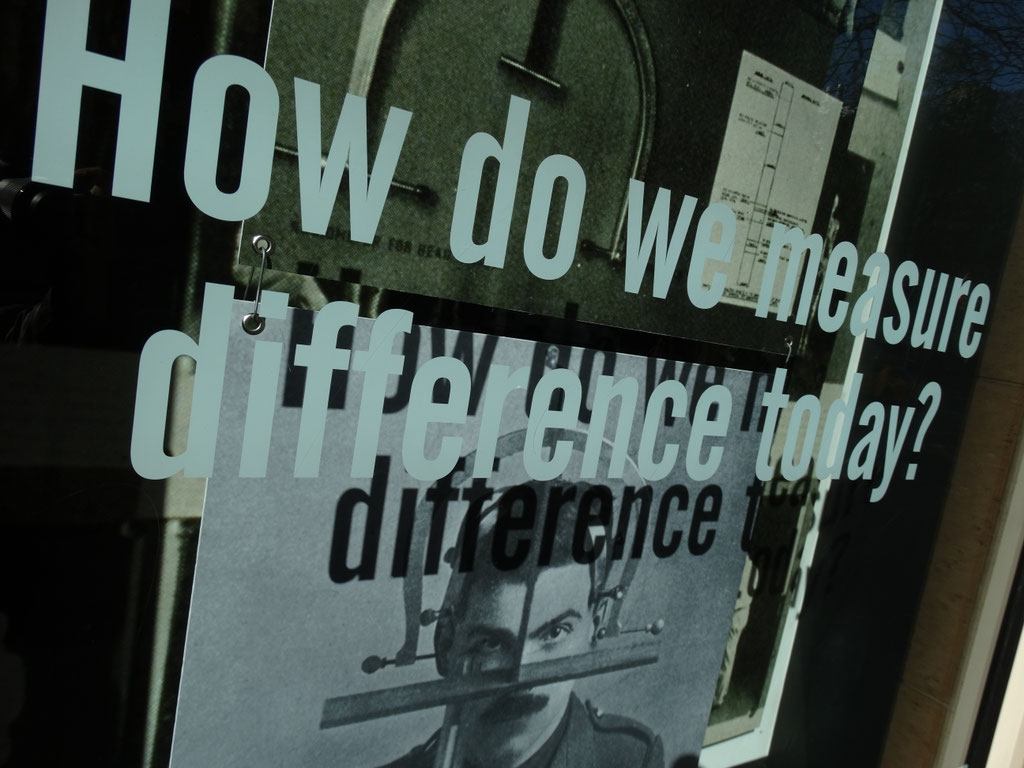

PREAMBLE
ART IS ALWAYS
CONCEPTUAL
As a reminder
Art is always conceptual. Leonardo da Vinci's quote is clear: "La pittura è cosa mentale", painting is a thing of the mind.
Do not confuse
subject and object
- The subject: Whatever the technique used, the subject matter is merely the medium—a pretext for what truly matters: style, form, and innovation.
- The object: The works that truly matter open the door to something unprecedented, something that will change our vision of the world.
Thus, most of the works address a pretextual subject that is never the object of the research. The conceptual adventure invites the pleasure of unearthing unthought thoughts, that is to say, the solution buried in color and which begins to emerge.
EXAMPLE
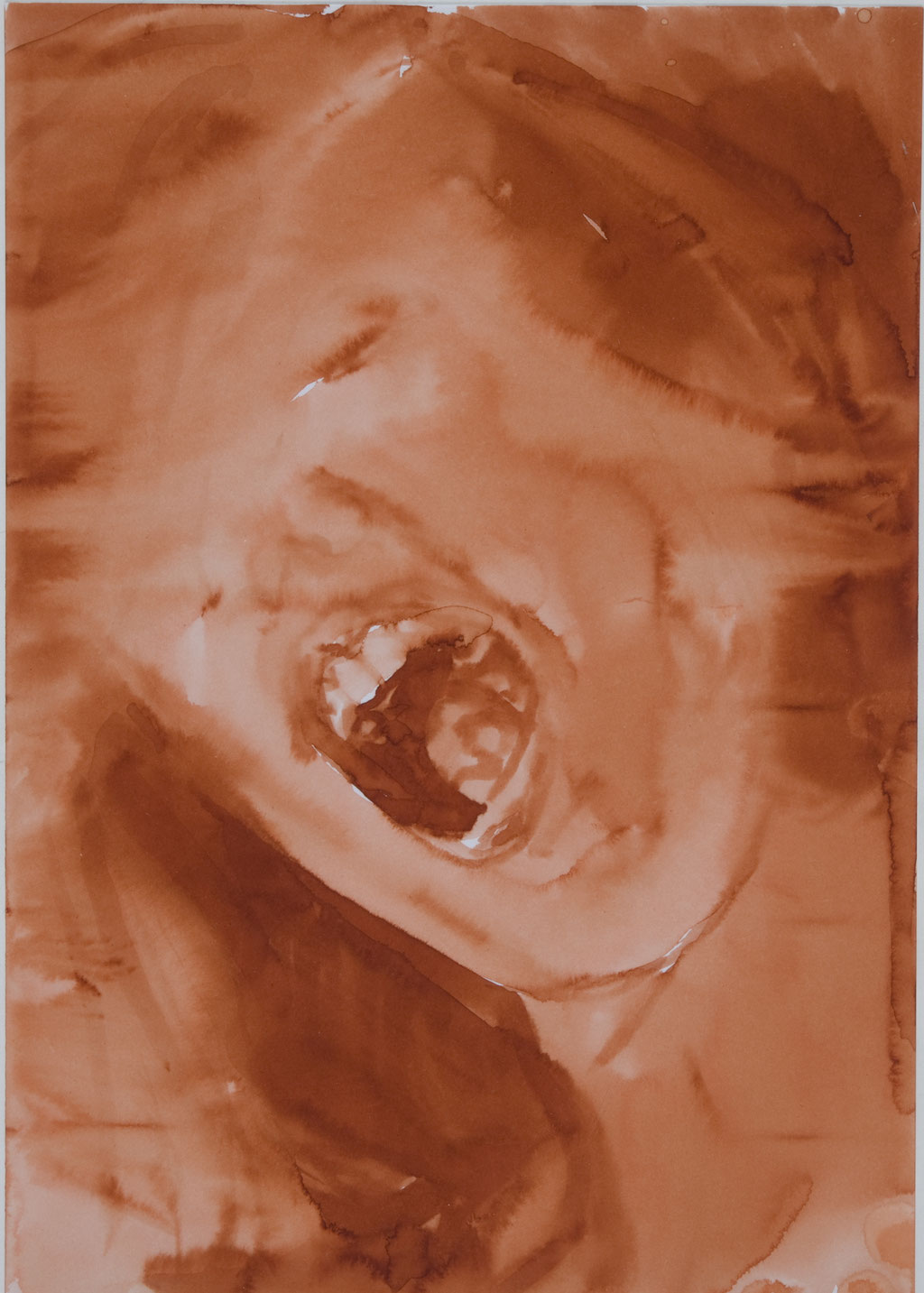
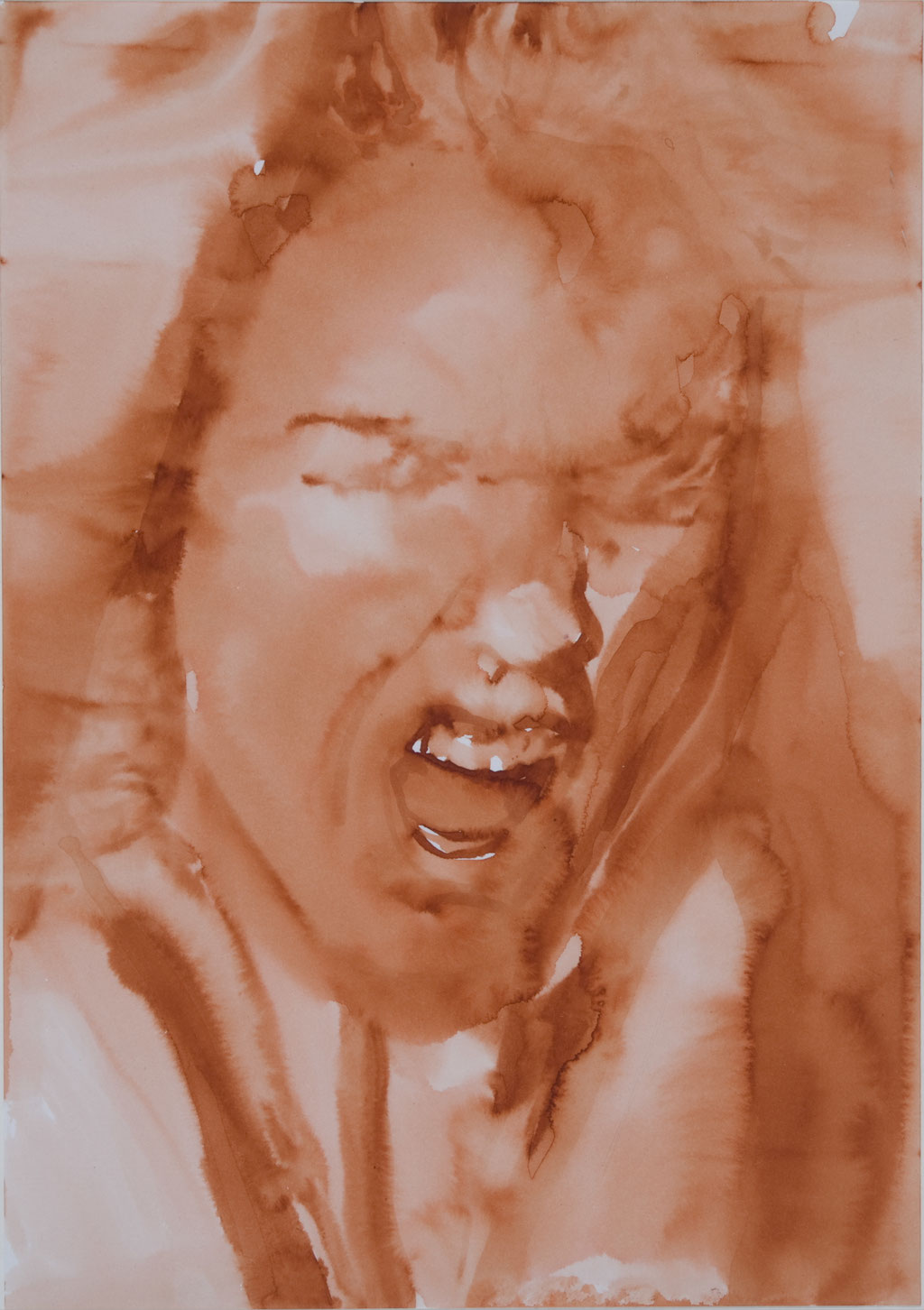

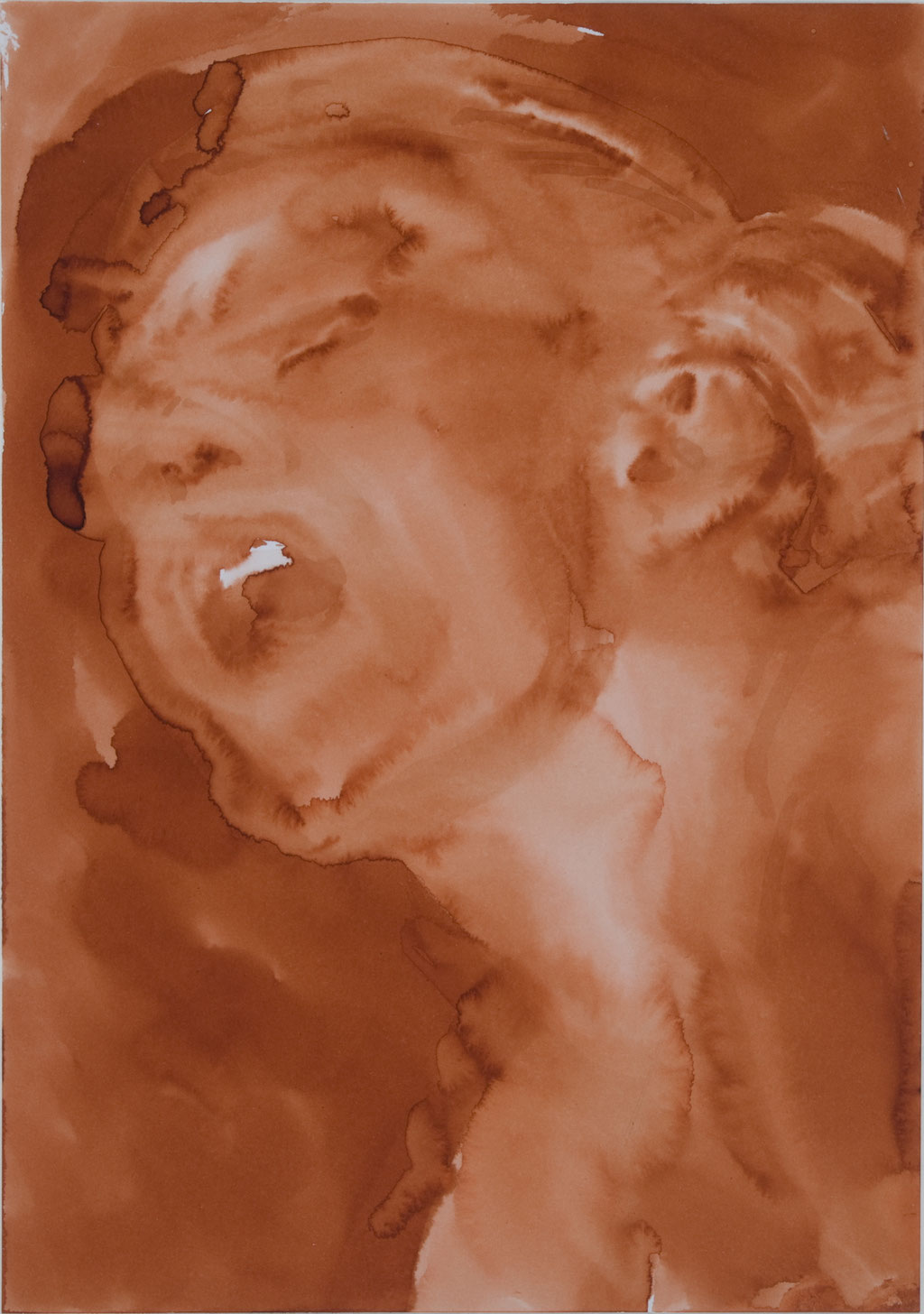
These four ink drawings above depict a subject :
the female orgasm captured
in a fraction of a second.
The real question, object, however, lies elsewhere:
WHAT DO WE SEE?
Pleasure or pain?
The answer speaks only of ourselves.
REDUCING AMBIGUITY
In cognitive science, this phenomenon refers to the process by which individuals seek to eliminate or minimize uncertainty and confusion in understanding information or stimuli, using clues, context, or signals to arrive at a clearer and more precise interpretation. This allows them to make sense of the information they receive by simplifying complex information.
Pleasure or pain?
The object: This involves studying what is called in cognitive science "reduction of ambiguity", that is to say, how these inks will be interpreted by the viewer.
How our gaze tells us...
A doubt may arise: pleasure or pain? - For some, the idea of pleasure is obvious and exhilarating. - For others, suffering is immediately apparent, provoking repulsion.
COGNITIVE BIAS
Doubt about interpretation can lead to a tendency to perceive things selectively, based on emotions and even absurd beliefs. Cognitive biases can result in irrational and inaccurate decisions, leading to incorrect judgments by favoring certain information over other information.
They contribute to the persistence of stereotypes and prejudices, hinder the learning of new information, and prevent the correction of erroneous beliefs. They lead to misunderstandings and communication problems. Working with images of female orgasms invites reflection on how different people perceive things when they are not unambiguous.
THE MEANING
OF THINGS

1 / THE
UNTRANSLATABLE
The sudden idea, the inspiration,
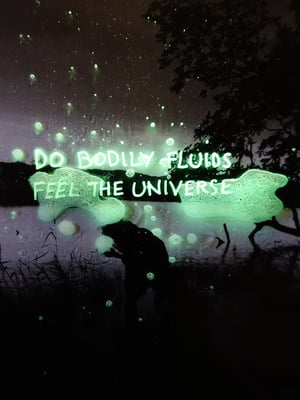
intimate thought do without words?
words?
Nietzsche claimed that he already had ‘in his head’ the point at which he wanted his thought to culminate, in a dazzling impression. The words of inner thought give form to such an intuition, more slowly, at the risk of impoverishing it. If this thought is then put into writing, it risks a further impoverishment that the genius of certain authors manages to limit. But only to a limited extent.
Is the essential silent within us, silent and at the same time thundering, rich and lively? Can we leave behind the discourse and the market of words, the flour of conversations, the sorcery of formulations, the grammatical net, the compression of experience, to practice the great outdoors?
In other words
Fatality
A word is already a prejudice.
Friedrich Nietzsche
Immense
Almost everything that happens is inexpressible and takes place in a region where words have never been spoken.
Rainer Maria Rilke
Guilty
Words have killed images, or they hide them. A civilisation of words, a civilisation gone astray. Words create confusion.
Eugène Ionesco
Screen
Sometimes a dialogue in which they spoke only of their feelings made them forget that they had any.
Robert Musil
Further
If these moments of extreme happiness, extreme danger or extreme unhappiness are so difficult to describe, it is precisely because language stops at a certain point and you go a little further.
Nicolas Bouvier
Self-locking
Language is what gets us where we want to go and stops us from getting there.
Samuel Beckett
Almost
There is a time of the evening when the meadow will say something. She never says it. Perhaps she says it infinitely and we don't hear it, or we hear it, but this something is untranslatable like music. Jorge Luis Borges
Taste
Only her own person could express to herself the inexpressible smell of raw fish - but not in words: the only way to express it was to smell it again.
Clarice Lispector
Sounds
Swann considered musical motifs to be real ideas, from another world, another order, [...] impenetrable to intelligence.
Marcel Proust
Brutal
On these innumerable, unspeakable, subtle and complex movements, conventional language immediately lays the cement slab of its definitions.
Nathalie Sarraute
A few centimeters
In the fall of man, there is no question of sin, transgression or moral turpitude. It is a question of the conquest of experience through language: the fall of the world into the word, the descent of experience from the eye to the mouth. A distance of a few centimeters.
Paul Auster
Oriented
Designating things is never innocent, it is precipitating them beyond their own existence, into the ecstasy of language which is already that of their end.
Jean Baudrillard
Verdict
The expression abuse of language is a tautology. » Serge Tribolet
Nietzsche aims at the other side of what is ordinarily considered ‘normal’:
‘Philosophy, as I have lived it, as I have heard it up to now, is the search for all that is strange and problematic in life, for all that, up to now, has been outlawed by morality. A long experience, which I have gained from this journey into all that is forbidden, has taught me to look, in a different way than might be desirable, at the causes that have hitherto driven us to moralise and idealise.’
“I haven’t been spoiled much by others and I even plan to become more and more incomprehensible”
Paul Gauguin
Can we define or know the end of anything, under the costume, find the essence of being or of reality fleeting like a bar of soap in the bath?
In the end, only a panoramic fog emerges, a center absent from the circle, an optical delirium, an unreachable void...
The reading is useful until the penultimate page. There its usefulness must cease because ultimate understanding must elude us. We have arrived, but to a place so unknown that there are no words to describe it.
Alberto Manguel
2 / The blind spot
of our perceptions
AN INFINITE PERSPECTIVE
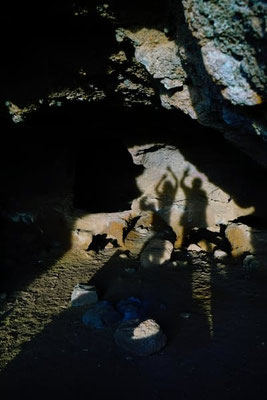
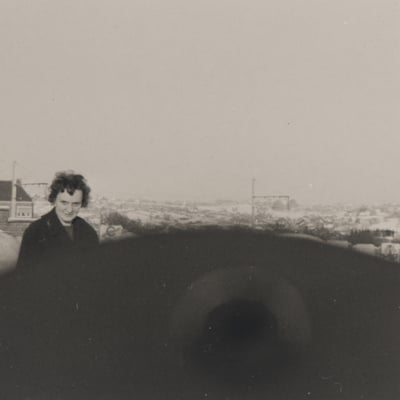
What is a scotoma?
The term scotoma designates an immobile gap in the visual field due to the absence of perception in an area of the retina.
A person who does the Amsler test describes and locates possible alterations in the visual field (these include deformations called metamorphopsia or absence of perception: scotoma).
The scotomization
Scotomization (from the Greek σκότος / scotos: shadow, darkness) designates in psychology one of the forms of denial: a defense mechanism by which the neurotic subject denies the existence of facts which have been experienced but which are intolerable to him. It is a process of denial which allows us to “not see” content, images, memories that are too distressing. There is the creation of a true selective psychic scotoma, narrowing the field of consciousness producing an amnesia well circumscribed in time.
For example, a patient may have completely forgotten her marriage a few months previously while otherwise having a completely normal memory.
Scotomization should not be confused with repression. Repression relates to desires (but not to the object of these desires), scotomization, to the events experienced.
Freud preferred to speak of “denial of reality” rather than scotomization. Since it exists, its opposite also exists. go and see what the understanding tends to mask.
WHAT IS OUT OF RANGE
Ancient Greek mathematicians wanted everything to be rational, starting with numbers, the expression of harmony. But what about the number Py for example, to infinite decimal places?
There is therefore something immeasurable in the world of numbers, as everywhere. These “irrational” numbers can be approximated by rational numbers, without ever coinciding with one of them. Elusive, infinitely.
A horizon can move backwards.
But he remains unsurpassable.
Question from Victor Segalen:
"Increasing our faculty of perceiving the Diverse, is it shrinking our personality or enriching it? Is it stealing something from it or making it more numerous? No doubt: it is enriching it abundantly with the whole universe."
We only know and understand what we can to some extent reinvent. Henri Bergson - Thought and movement
In other words
Emulation
It is, in any case, joyful, ironic and reassuring to represent our individualities as lures made to dazzle us, to make us rush relentlessly towards the object of our desires, puppets brandished by the Vital Energy on the stage of the world, in order to create the indispensable emulation necessary for the Peripetia! Denis Grozdanovich
To grow
Not to get to the point where we no longer say I, but to the point where it no longer has any importance to say or not to say I. We are no longer ourselves. We have been helped, sucked in, multiplied.
Gilles Deleuze and Felix Guatari
Point of view
“He who believed he was was only an orientation. From another perspective his life sucks. »
Henri Michaux
Extreme
These few words that I said were already too much. I shouldn't have come at all and even my name shouldn't have appeared in the catalog. Yves Klein
Black hole
Today, I suddenly arrived at an absurd and accurate sensation: I realized, in a flash, that I was nobody. Fernando Pessoa
Ground
The unknown of the life of beings is like that of nature, which each scientific discovery only sets back but does not cancel.
Marcel Proust
Suspension
“What we found at the center of the dream was not an answer, but an enigma. »
Norman Mailer
4 / QUEER &
SUBALTERN STUDIES

QUEER
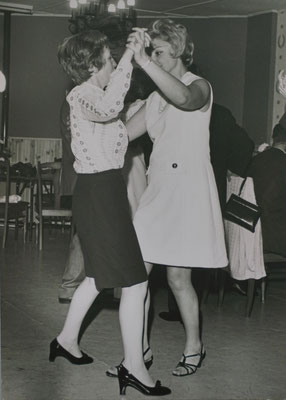
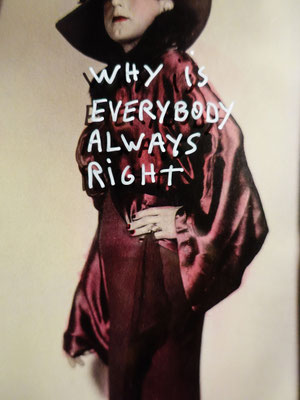
Some works reflect the spirit of Queer philosophy which celebrates the diversity of gender identities and sexual orientation. They support the fact that each individual is made up of a plural identity which is now little sensitive to restrictive norms.
Other works are close to post-colonial philosophy which recognizes each culture as having its own history, knowledge and wisdom.
SUBALTERN STUDIES
The corpus presented here autopsies the dominant narratives like the research of Subaltern Studies. Criticism of preconceived ideas shaped in the past deconstructs and reveals the biases, omissions and distortions that have kept certain sensibilities on the margins.
Finally, the entire corpus resonates with contemporary museology. She works on diversity and representativeness through the diversification of collections, audiences, cultural, social and generational pluralism.
While the background of the work is introspective and philosophical, its form reevaluates traditional conventions of art history. She draws the profile of an outsider far removed from the utilitarian excitement of the mainstream cultural world.
5 / an atlas of
the unfathomable
Portrait of an interior geography
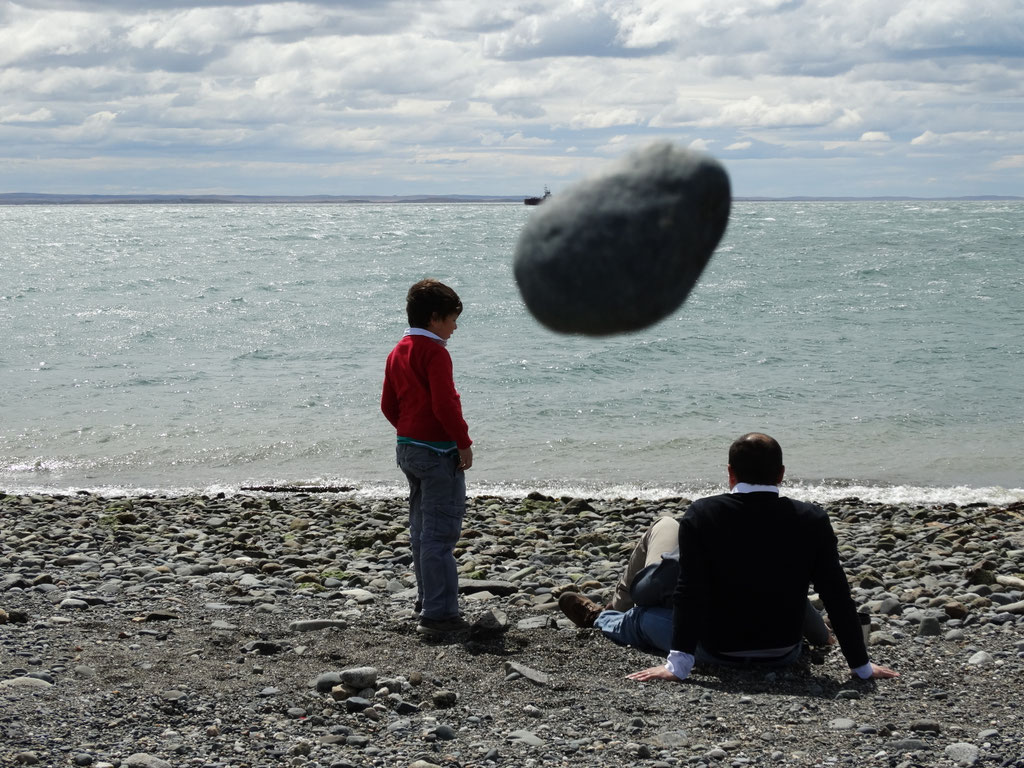
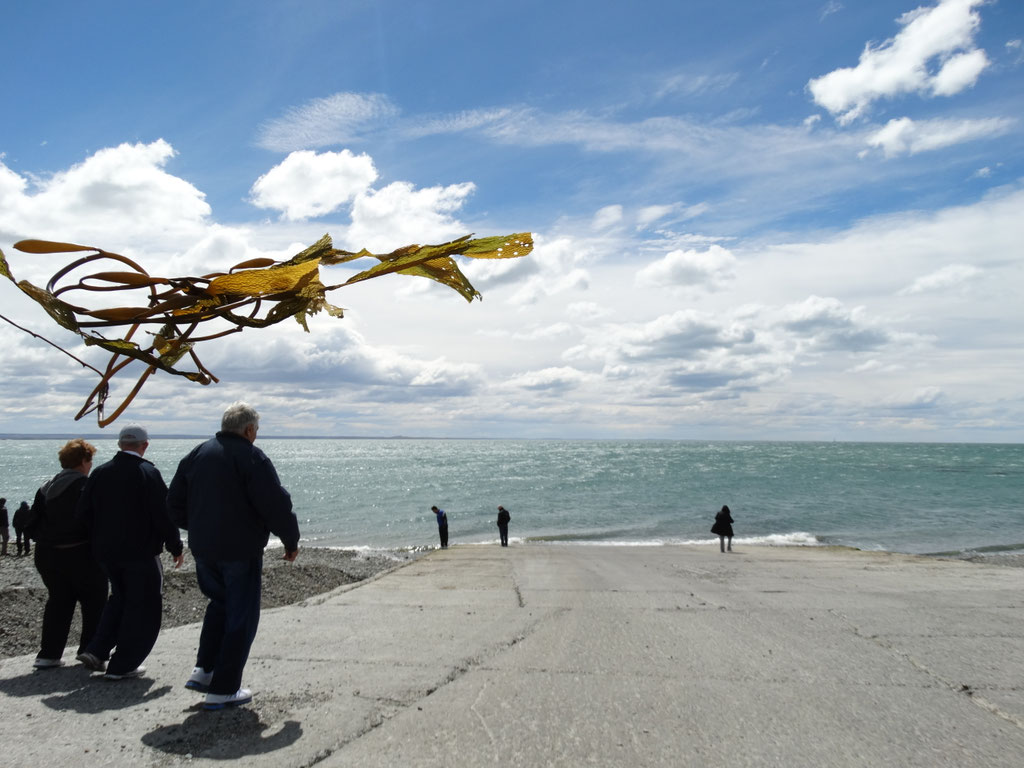
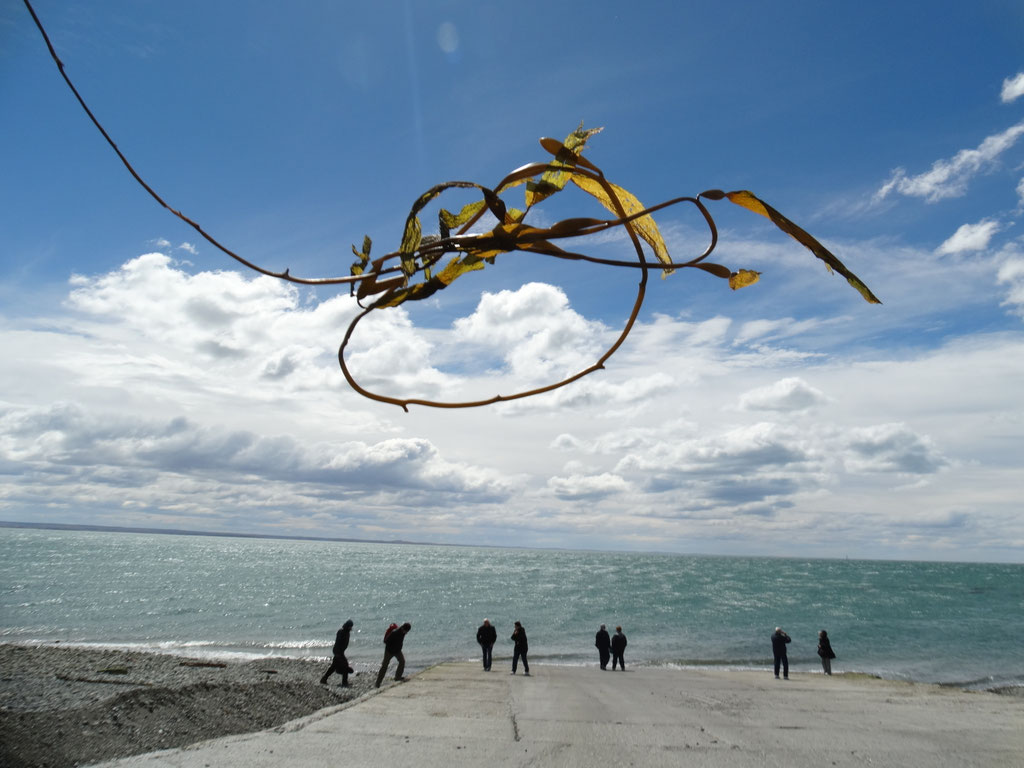
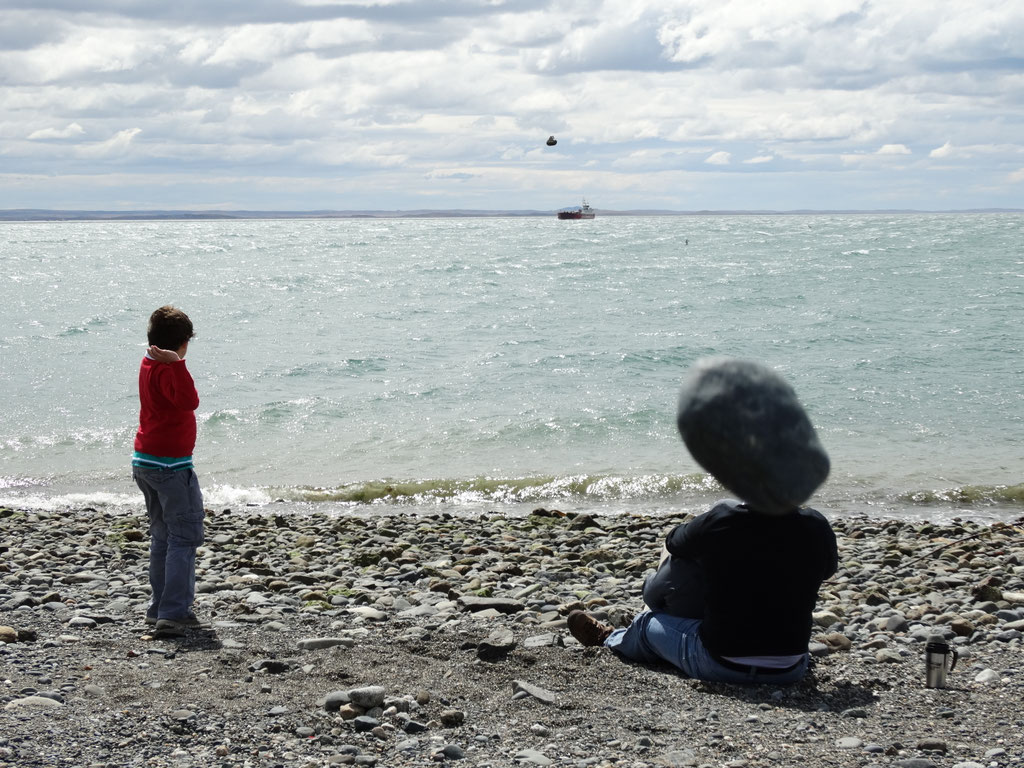
27 january 2014 - Strait of Magellan
Séroux is a discreet wanderer, a jovial cyclist, eccentric everywhere, a Phileas Fogg doubled as a Passe-partout.
He travels around Europe slowly, from the island of Ikaria in Greece, where he studies the concept of the fall of Icarus, to the nearby island of Leros, where he studies the history of confinement and the psychiatric system. The island's migrant camps.
The erupting island of La Palma and Reunion Island interest him, as do the cities of Berlin, Madrid and many others.
We saw him working for a time in Argentina along the N40 from south to north, or in Chile in the footsteps of Pablo Neruda in Valparaiso.
He returned to Polynesia, the Marquesas Islands and California to see the works of Frank Gehry, China in Shanghai, Japan in Kyoto, Australia from Perth to Tasmania via Sydney and the outback. We've seen him in the Moluccas and the Svalbard archipelago, but above all, he's elsewhere.
As part of his work on French Theory, we have seen him follow La Tranche by the coast, in France, going to Angoisse, Paradis, Juif, La Rencontre, etc.
Everywhere he painted, drew or photographed all sorts of forms of emptiness, distance and incomprehension under different names, indifferent to the climate of the moment.
It combines a trip around the world with an inner journey
4 / THE HORIZON
OUTRAGE & DELIGHTS

HOW OUTRAGE IS
THE CONDITION OF DELIGHTS
All works of world literature I divide into two groups: those which are permitted and those which are written without permission. The first is vomit, the others, a little air that we steal. Osip Mandelstam
A horizon
We are regularly touched by the aesthetic here and there, that of the forest or of people who strive to do their best in art as elsewhere. However, there are moments when this pleasure becomes what it is :
a soft wallpaper without brilliance or in common with the part of disturbance that the intimate truth allows to transmute into deep emotion.
This complex, uncertain part then suddenly agrees with the understanding when it wavers. We are caught between unformulable questions.
This is where the encounter with facets hitherto out of reach of existence becomes desirable because possible.
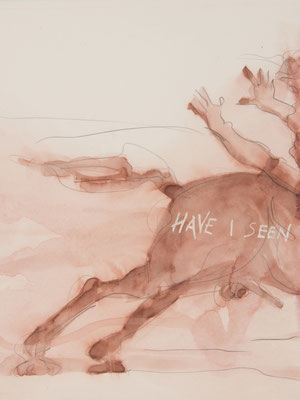
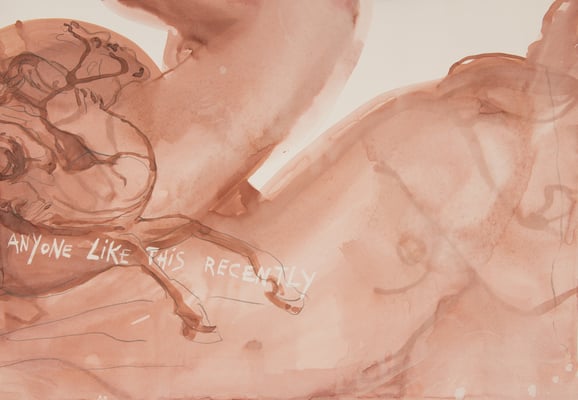
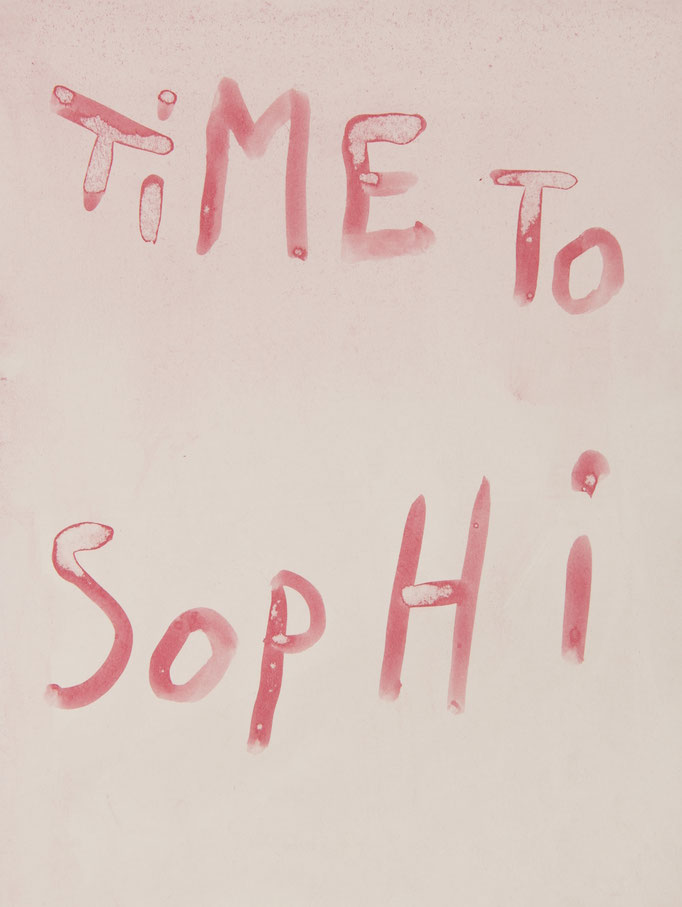
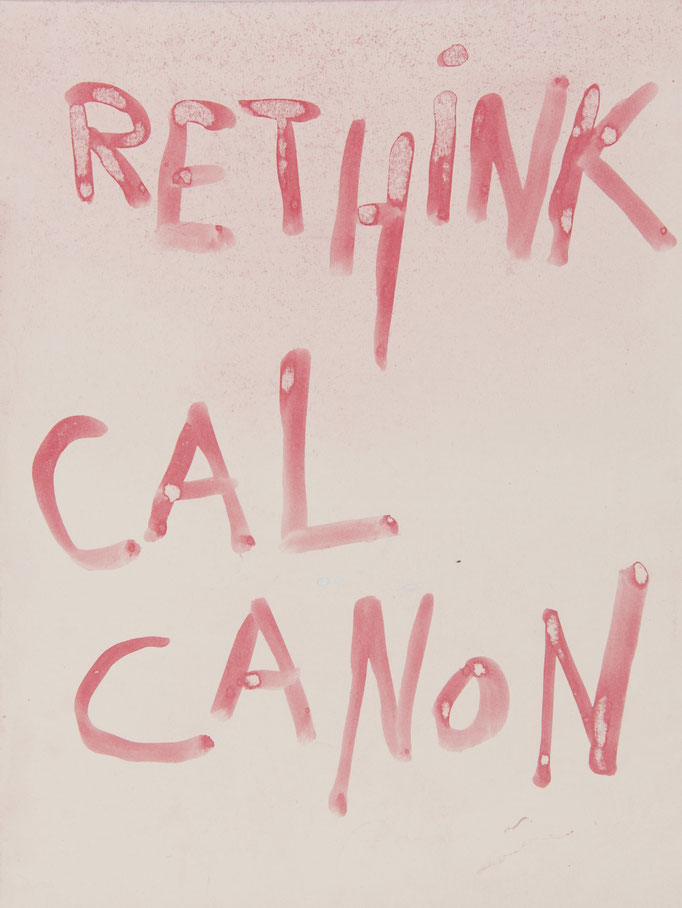
The outrage meted out to preconceived ideas, to ordinary clichés, to the banal decorative comfort of the doxa of common sense and reason is patent.
Something trembles and tries to survive behind the conformist glaze which overwhelms collective sensitivity.
No work will ever offend what reality imposes on us through the heartbreaking spectacle of the brutalities that we inflict on reality.
The concept of outrage can be considered as an antidote to everything that simplifies, obliterates, enslaves and cannot recognize the free and emancipatory character of the creation of the true, that is to say multiple, self.
It is about refusing to stick to agreed limits and ensuring that art remains a power of questioning, of opening possibilities.
The movement at play, sometimes disconcerting in terms of manners or morality, is always accompanied by an appeal to the intelligence of the viewer, to his humor.
Contempt, if it exists, is never harm. It is very simply constructive, revealing us to ourselves. This is all its value, which is priceless.

Alex Svi / 2025
PRELIMINARY
CONCLUSION
Ultimately, all of this
speaks to us in silence
of a way of life,
quite simply.