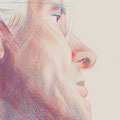

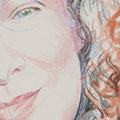
Elie BARNAVI / Jean Claude CARRIERE / Patrick CHAMOISEAU / Claude / André COMTE SPONVILLE / Umberto ECO / Fred & T / Gilbert & George / Edouard GLISSANT / Douglas HOFSTADTER / Delphine HORVILLEUR / Jacob / Jef / Jo / Jean-Yves JOUANNAIS / Fred LANZENBERG / Jean-Marie Gustave LE CLEZIO / Léontine & Félix / Rachel / Samuel MAOZ / Tobie NATHAN / Paul QWEST / Felwin SARR / Elia SULEIMAN / Bénédicte SAVOY / William / Yolande ZAUBERMAN
In philosophical terms, a person refers to a real being, endowed with sensitivity, agency and consciousness. We have the illusion of having a clear, more or less stable identity, when in fact it is clearly multiple, plural and changing over time.
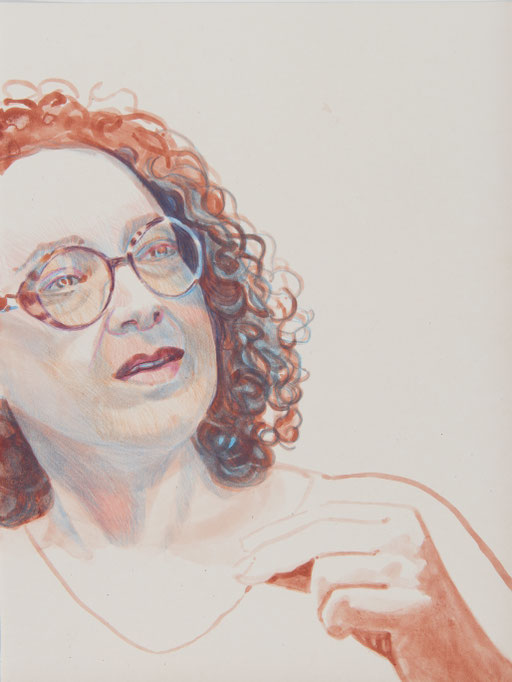
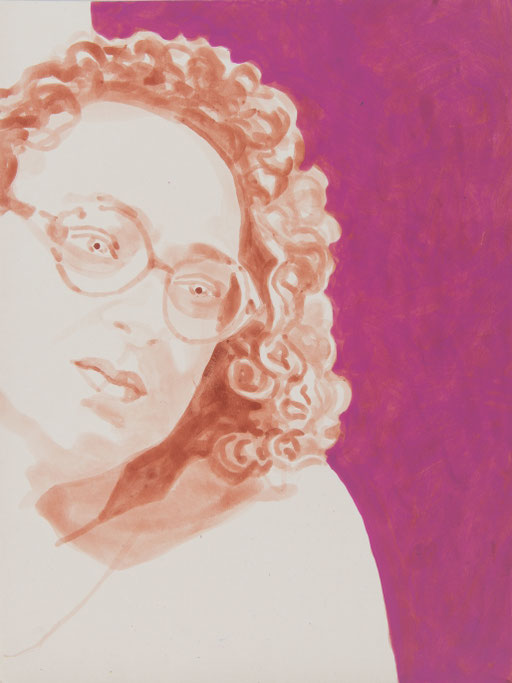
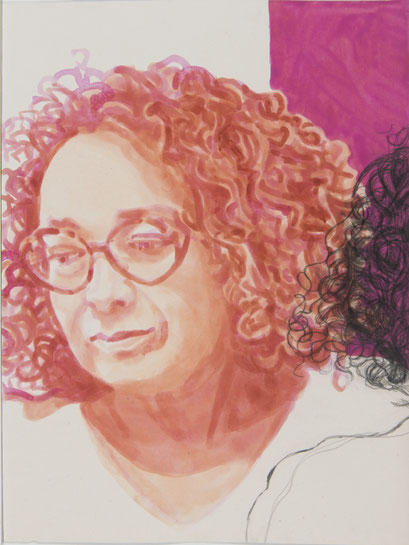
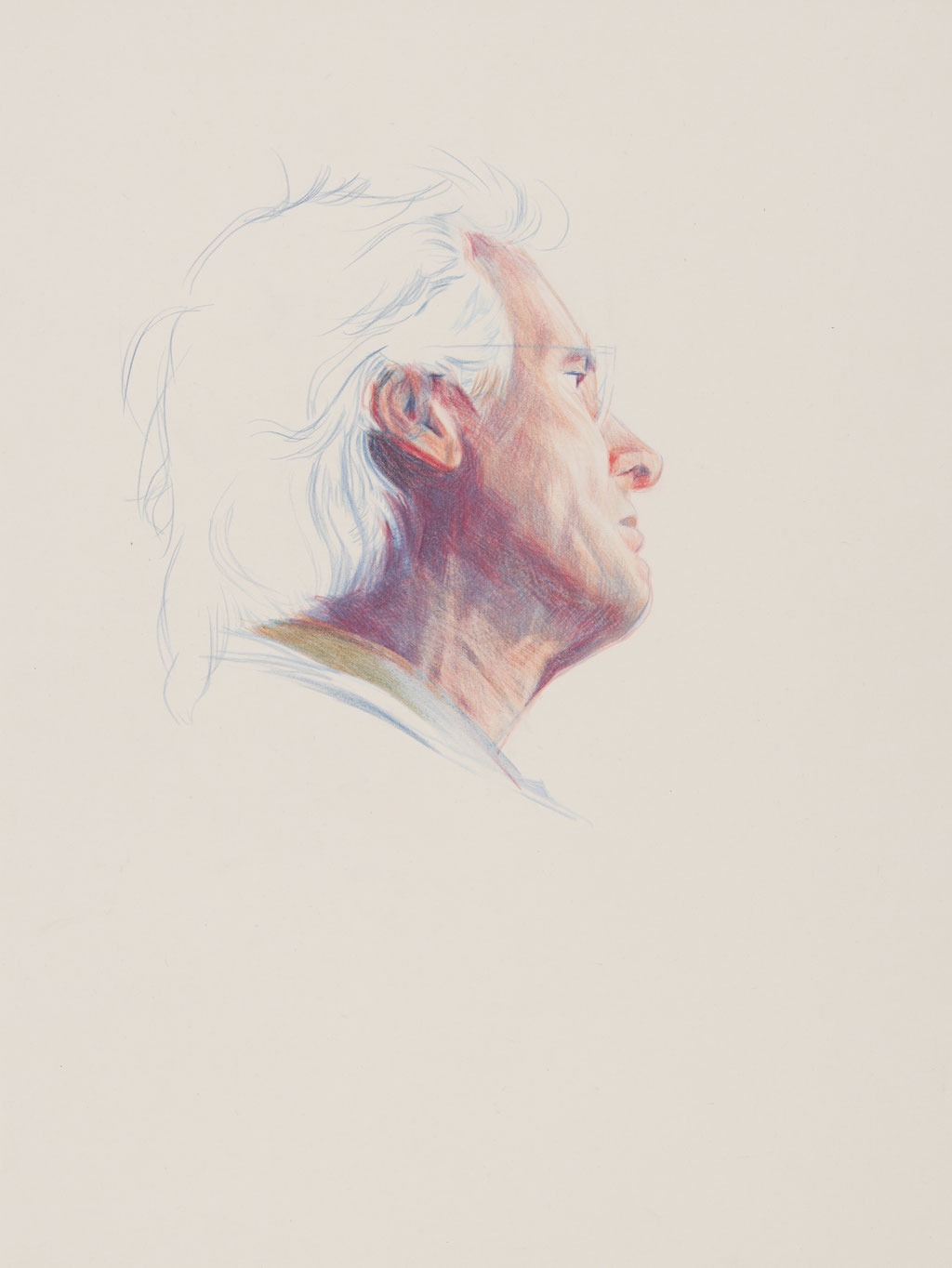
The subject here is encounters with people we appreciate. The purpose of these portraits is to convey the vibrancy of their pluralistic identities.
In ancient Hebrew, there is no singular form of the word “face”; everyone has many faces.
Erri De Luca
It is permissible and beneficial not to let oneself be defined by one's name or birth. It is permissible and beneficial to slip into the skin of someone else who has nothing to do with us...
Delphine Horvilleur


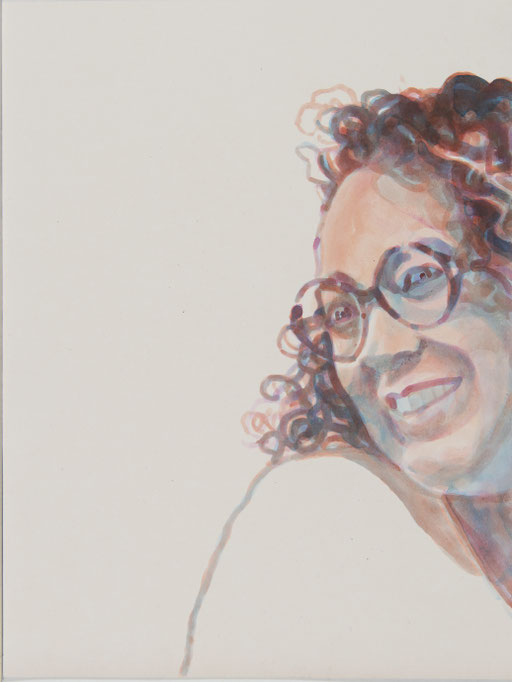
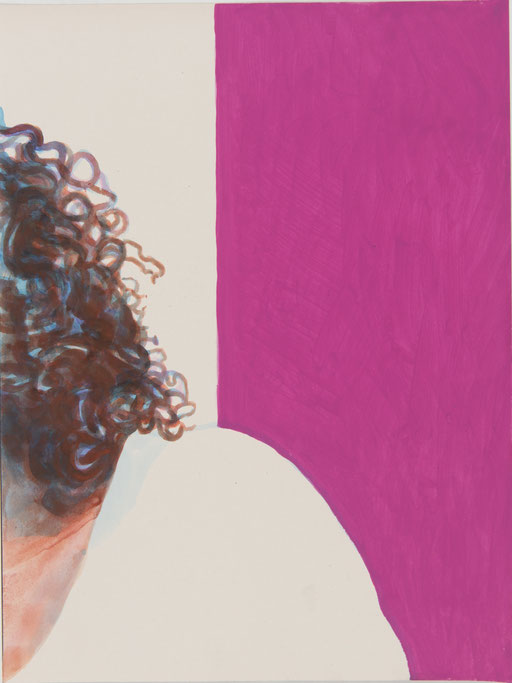
40 / 30 cm x 4

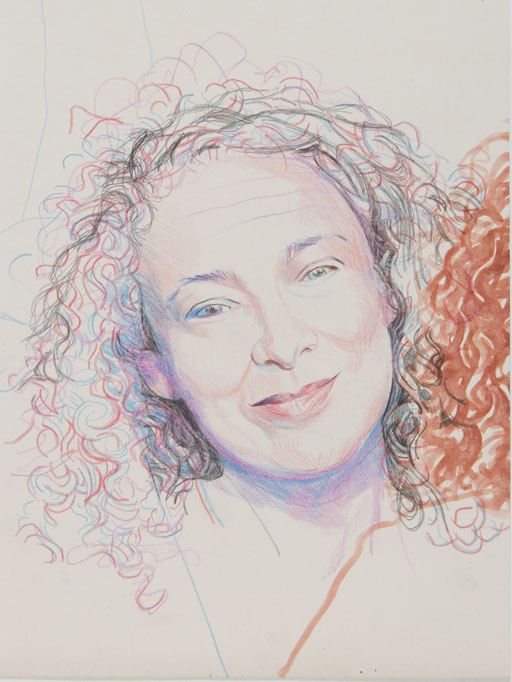


40 / 30 cm x 4
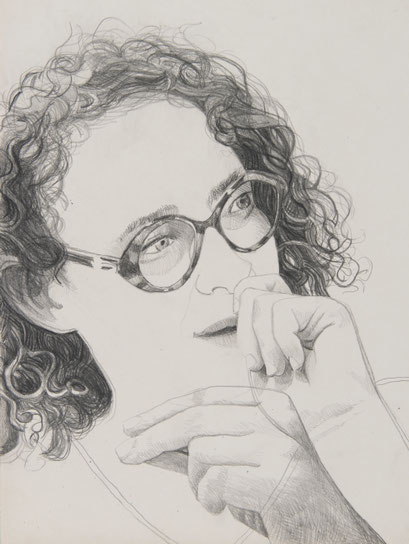

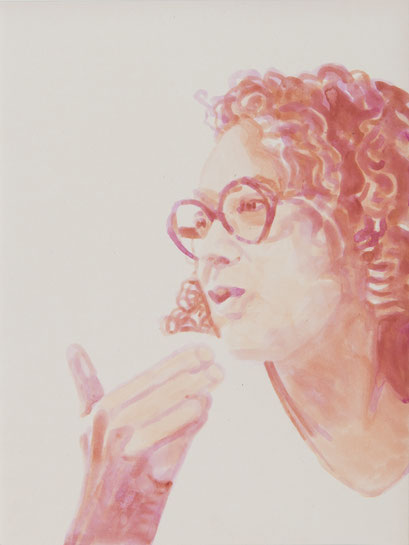
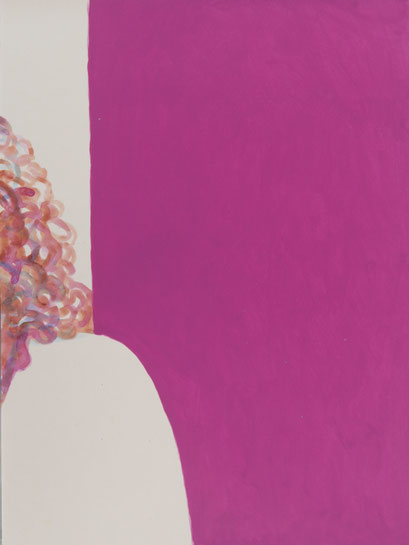
40 / 30 cm x 5

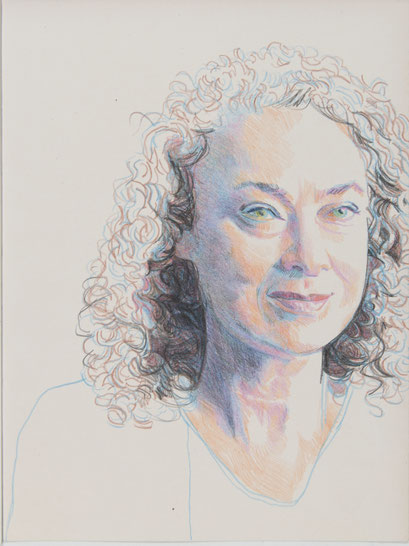
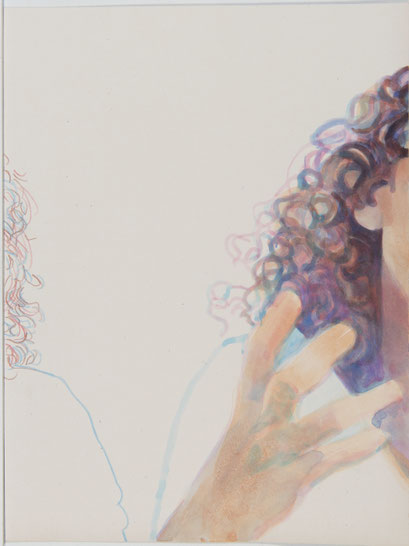


40 / 30 cm x 5
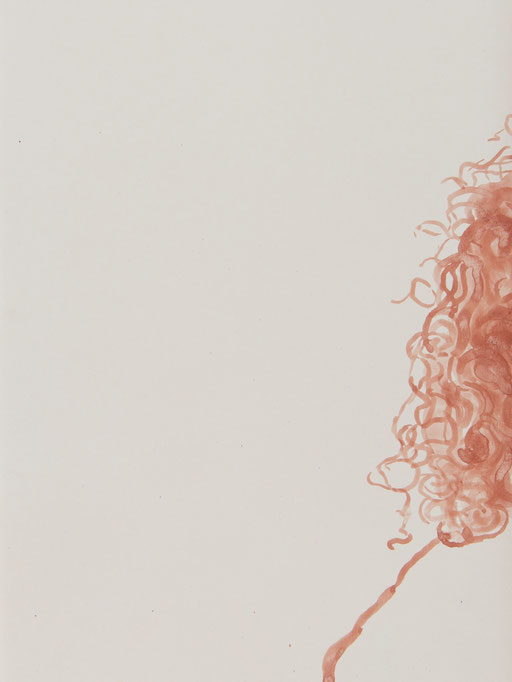




40 / 30 cm x 8





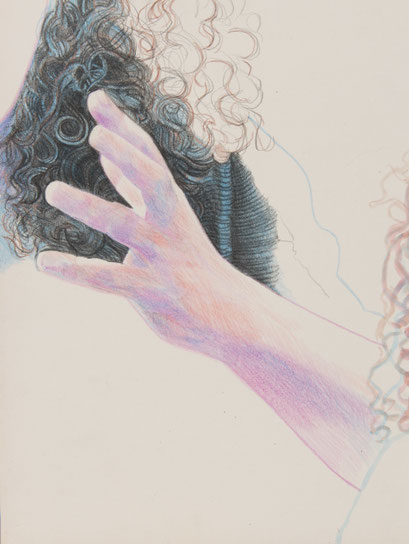
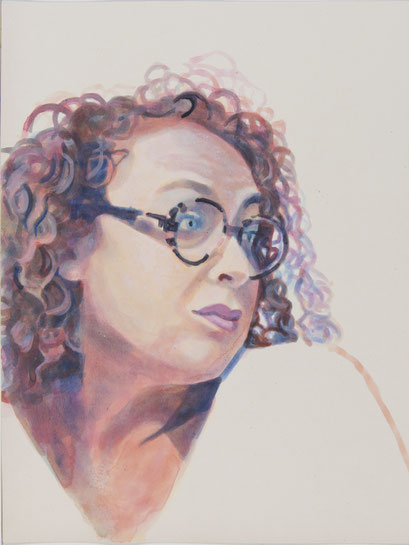
40 / 30 cm x 10





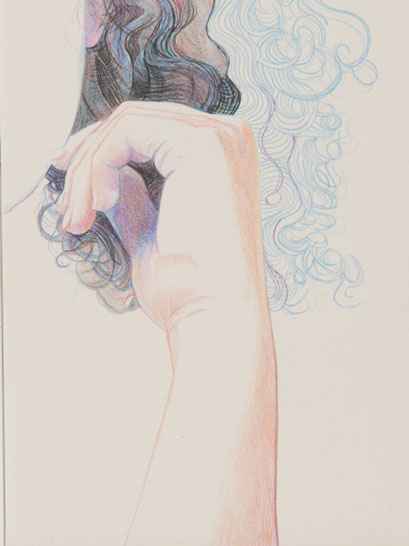

40 / 30 cm x 10
Delphine HORVILLEUR /2025
She is a French writer and female rabbi belonging to the liberal Jewish organisation Judaism in Motion, which emerged from the Liberal Jewish Movement of France and the Liberal Jewish Union of France. She is a member of the Council of French-speaking Liberal Rabbis and editor-in-chief of the magazine Tenoua.
In her book Il n'y a pas de Ajar: Monologue contre l'identité (There is no Ajar: Monologue against identity), published by Grasset in 2022, she invokes and pays tribute to Romain Gary for fighting against ‘identity assignments’ and attempting to undo the ‘identity trap’ that threatens our societies.
Excerpts from ‘There is no Ajar’
Ajar was one of the names Gary created to tell the world that he would not resign himself to a foretold death, neither that of men nor that of words.
His pseudonym was a final snub to the morbidity that always catches up with you, but which can be deceived for a time with a little panache, with a literary ploy that forbids man from being only himself. Through Ajar, Gary succeeded in saying that for every being, there is a beyond oneself; a possibility of refusing that thing which today we give a truly disgusting name: identity.
- Did you know that in Hebrew, the verb “to be”?
It doesn't exist in the present tense?
- You can't say:
I am this or I am not that.
- Because you can't say
either “I am” or “I am not”.
- You can conjugate the verb “to be” in the past
or future tense.
But in the present tense, it disappears like a rabbit
out of a magician's hat.
- In short, in Hebrew, you can ‘have been’
and you can be ‘in the process of becoming’,
but you absolutely cannot ‘be’.
details
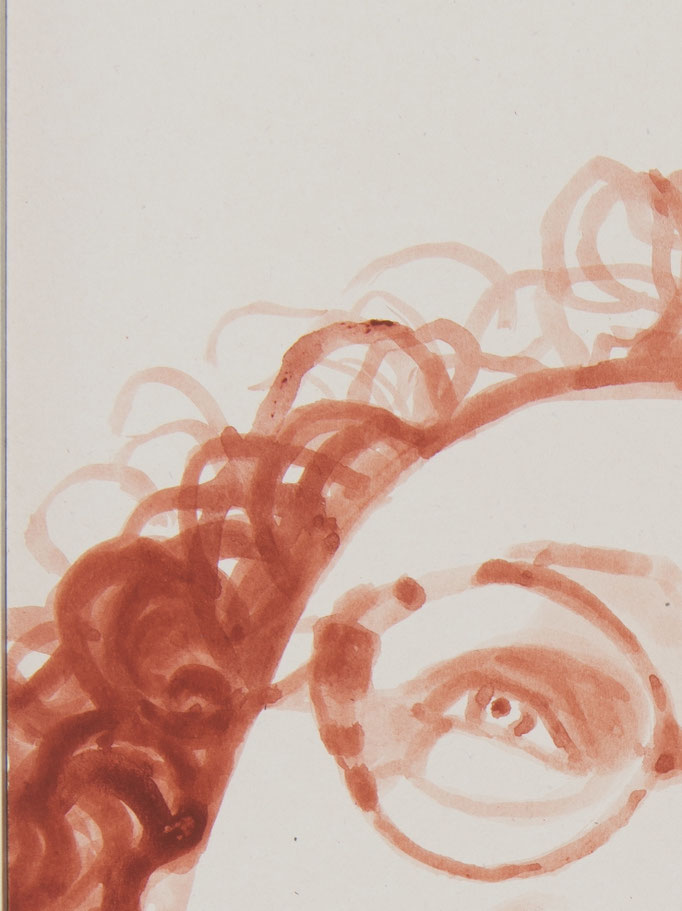
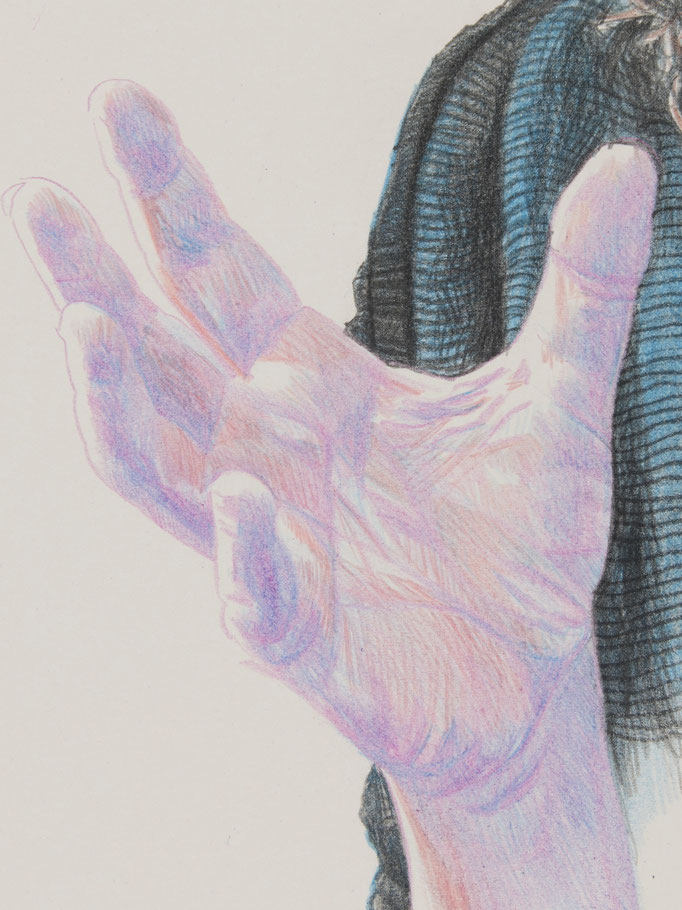
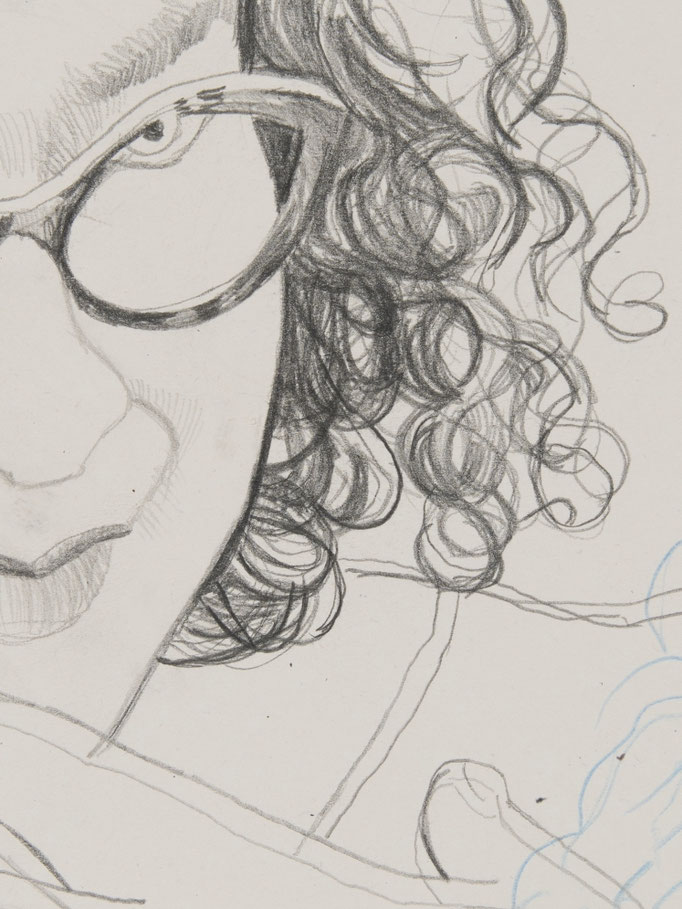

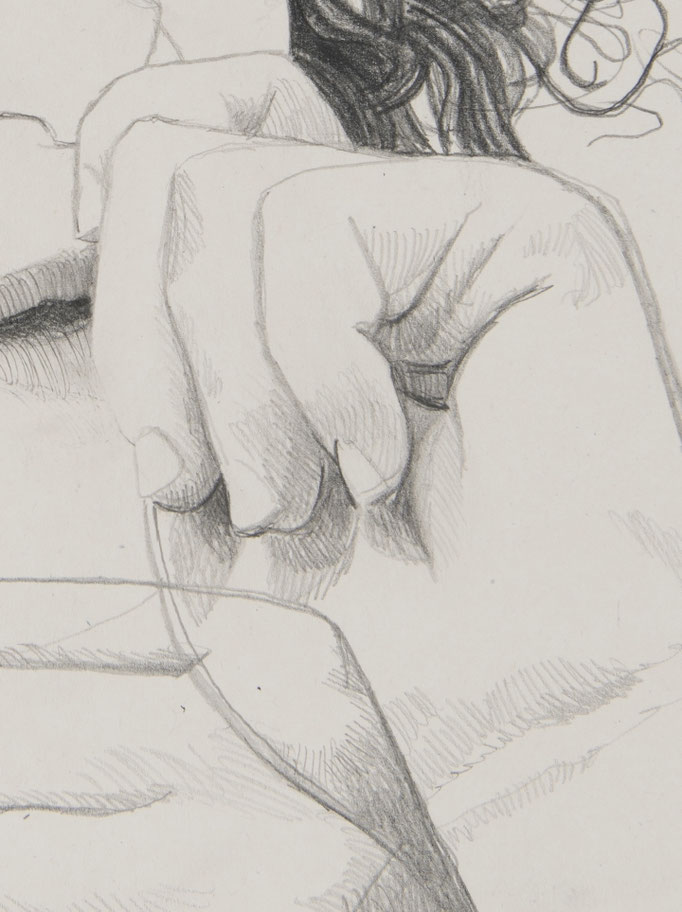

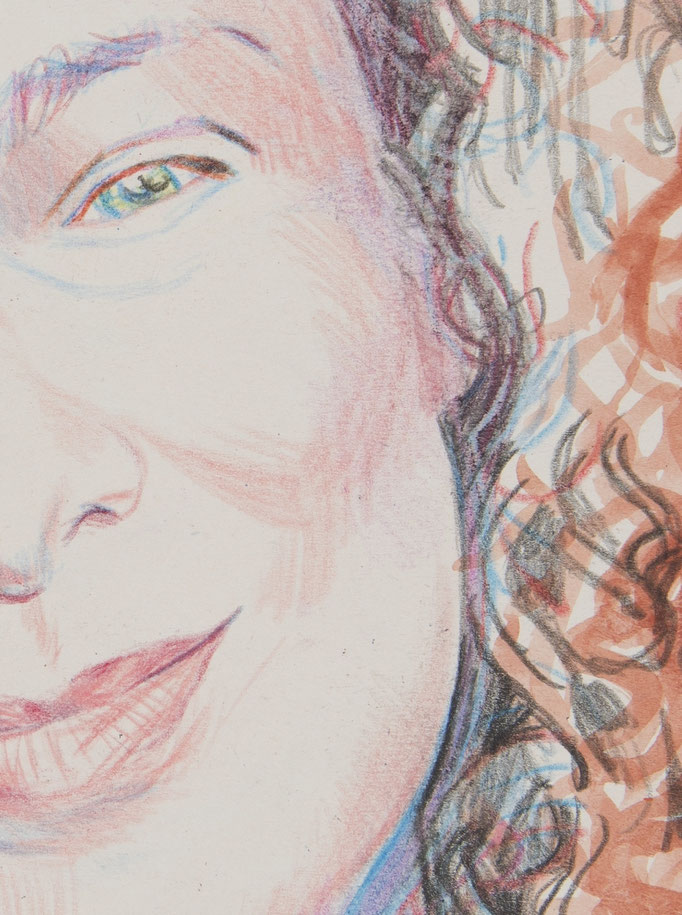
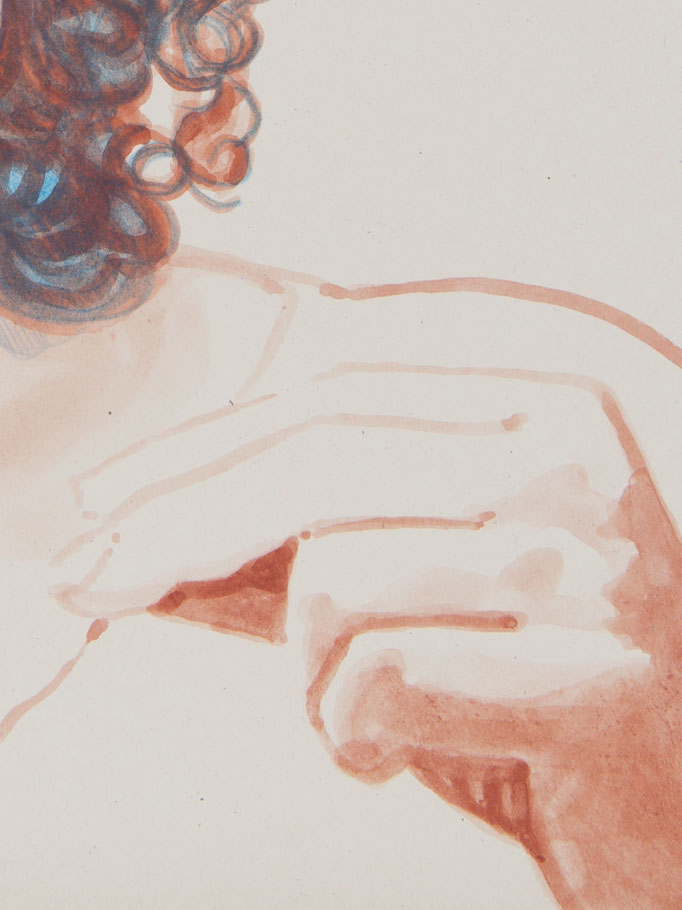
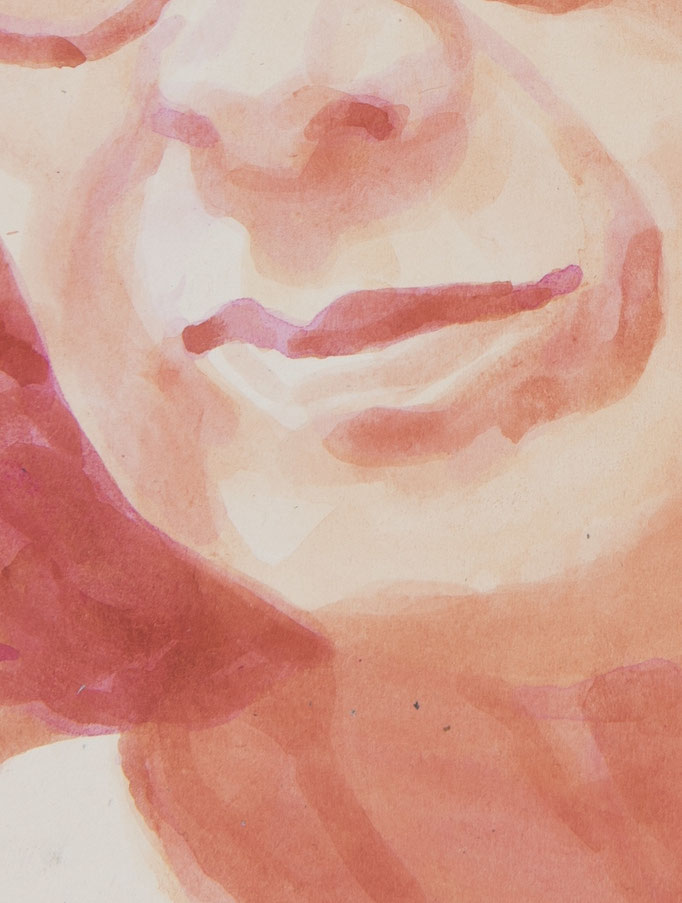

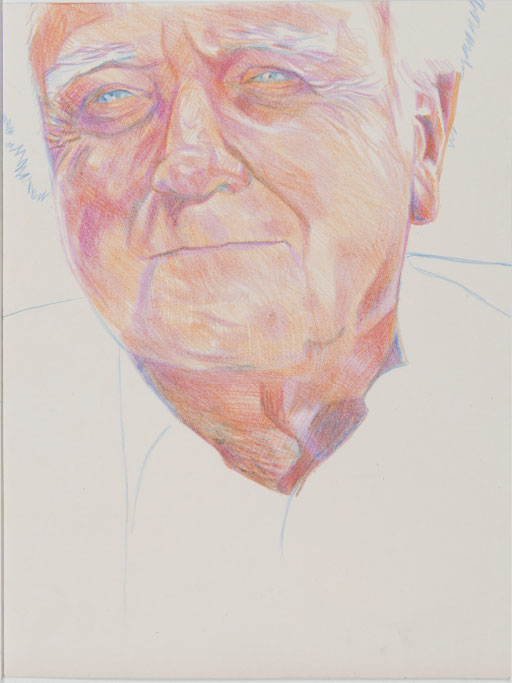


40 / 30 cm x 4



40 / 30 cm x 8


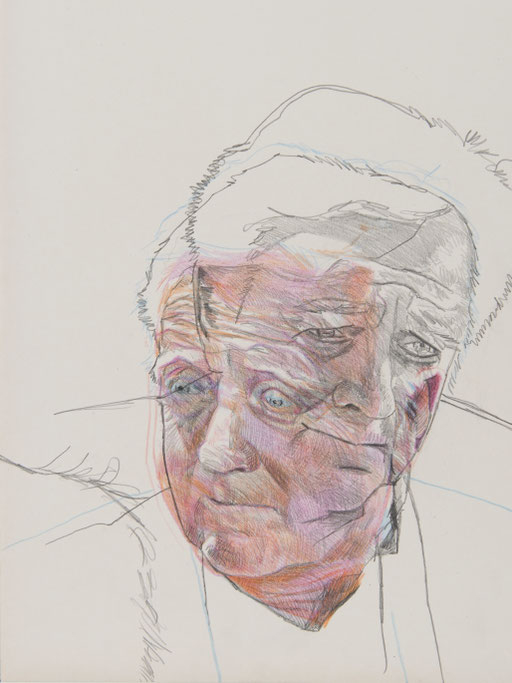





40 / 30 cm x 8

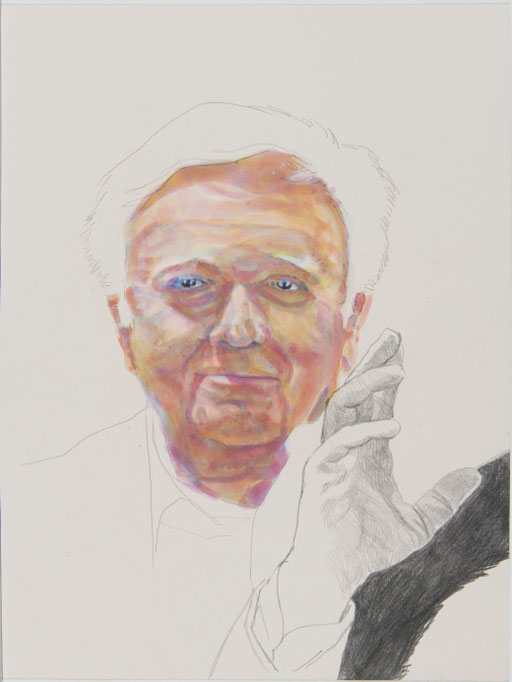
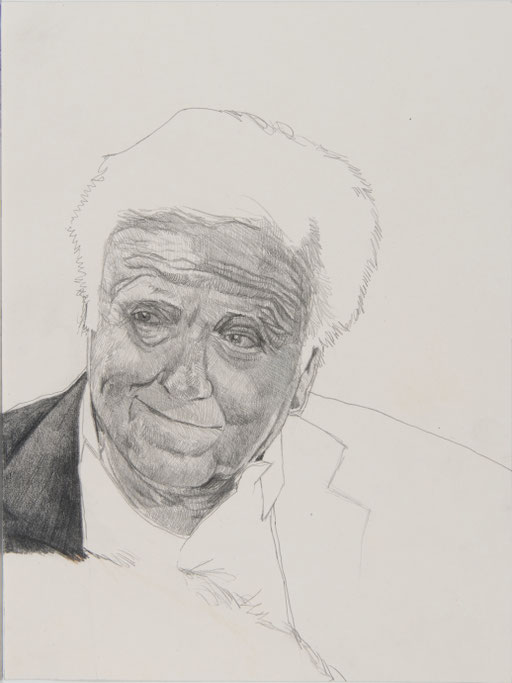


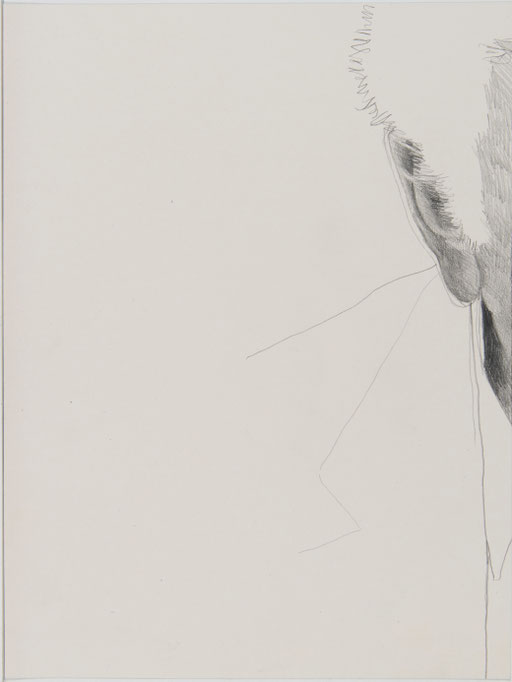


40 / 30 cm x 8

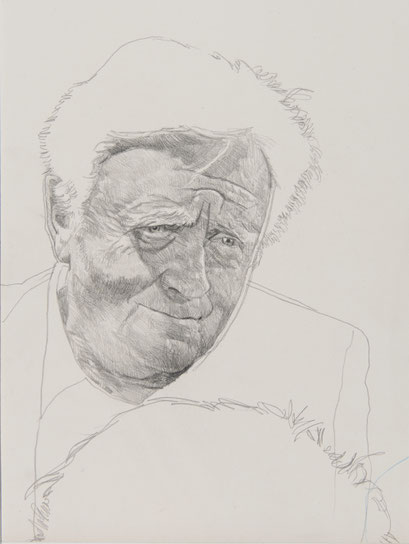



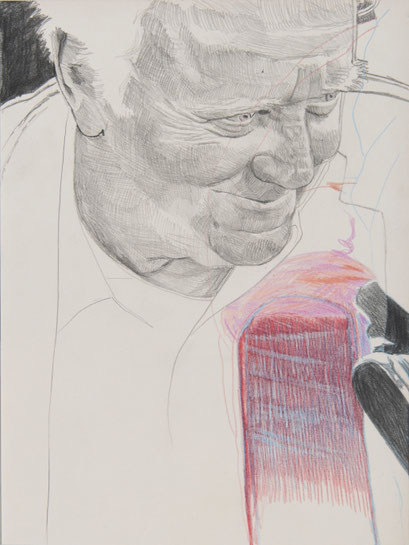
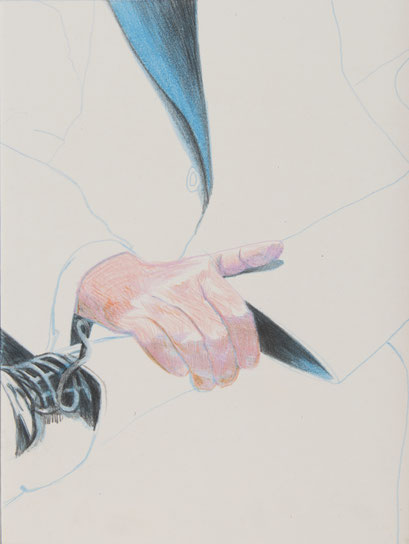


40 / 30 cm x 10
Elie BARNAVI / 2025
Elie Barnavi's career is so rich that perhaps the simplest thing to do is to quote the introductory lines from Wikipedia:
Born in 1946 in Bucharest, Romania, he is a historian, essayist, columnist, Israeli diplomat, professor emeritus of modern Western history at Tel Aviv University, and scientific advisor to the Museum of Europe in Brussels. He is equally knowledgeable about European and Israeli politics. As he writes, ‘I was condemned to conform to the definition that my friend Pierre Assouline had given me: “Israeli in Europe and European in Israel”.’
Confessions of a Good-for-Nothing / excerpts:
Little by little, it became clear: the man was charming, funny and affectionate, but he had a screw loose. This core of madness lurking deep in his unconscious, just waiting to surface at the slightest provocation, a innocent remark, a sidelong glance, a minor event, was something he shared with all his siblings, including my mother.
Journal de la France et des Français / excerpt:
Our historical culture too often resembles a puzzle, a kind of indecipherable and overwhelming rebus with essential pieces missing, whose absence compromises the formation of the final picture. We grasp it, according to our tastes, our reading, and the vagaries of existence, only through a series of events that are disconnected from one another. Our knowledge is generally scattered, disjointed, unconnected, broken by discontinuity, often floating, incomplete, with certain points fixed forever in our personal memory.
details
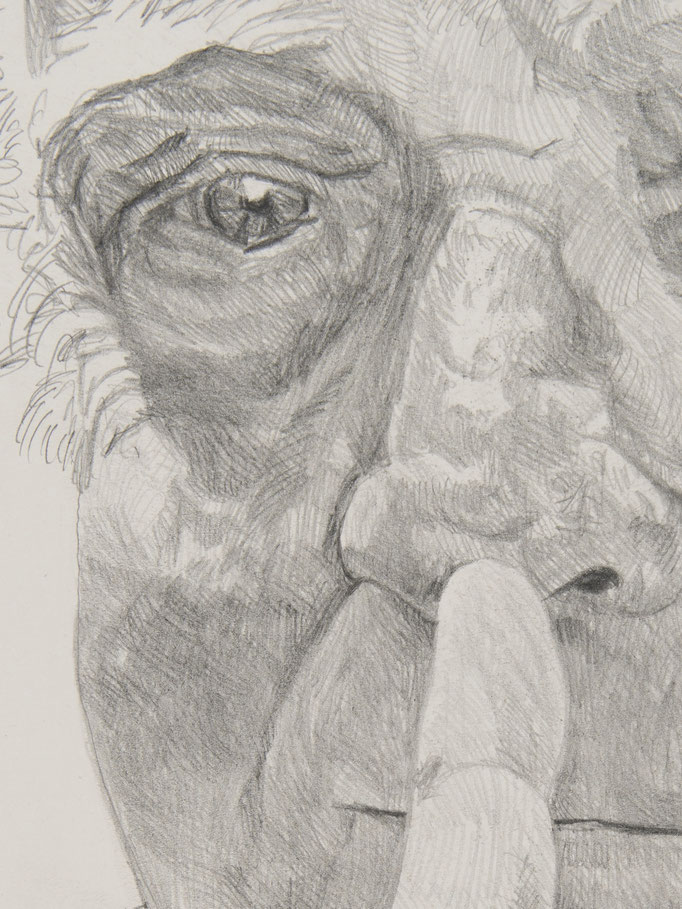
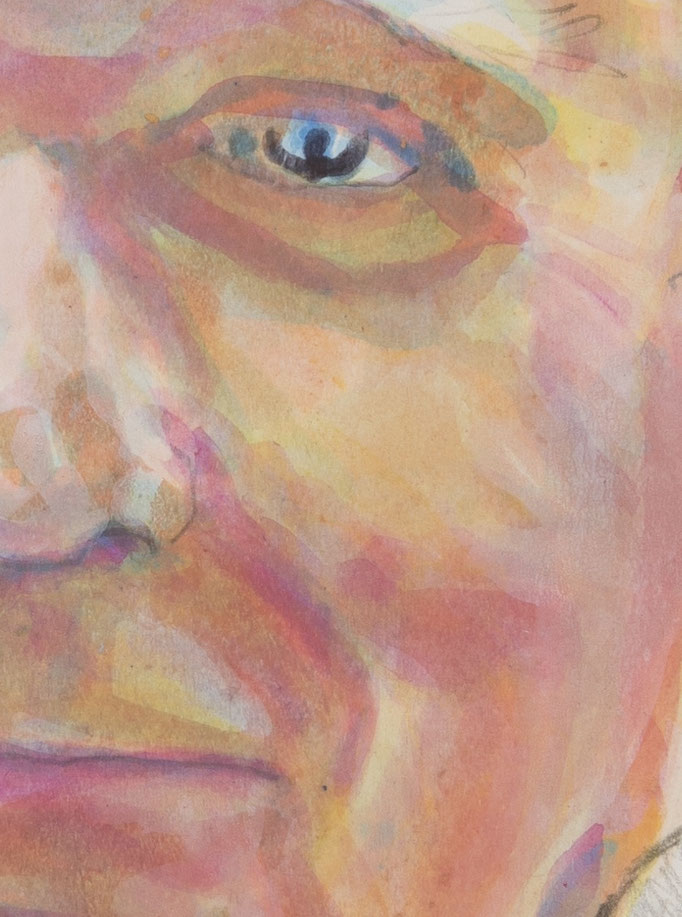


détail
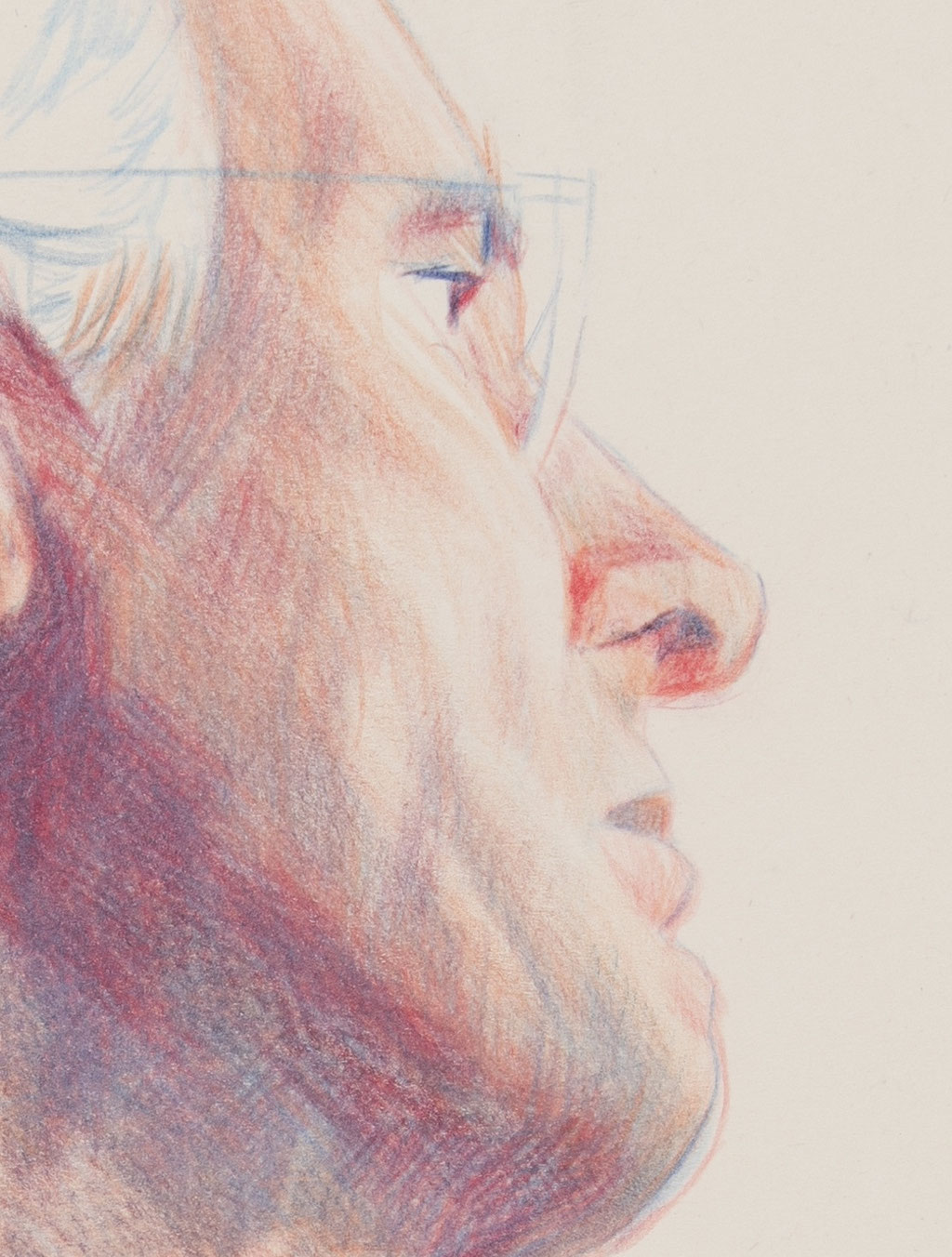
Jef / 2024
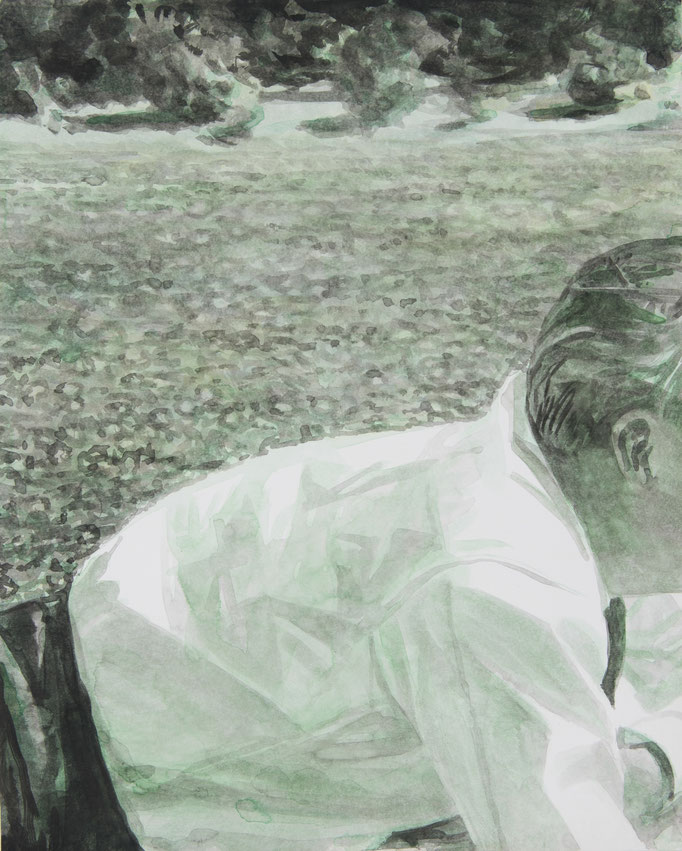
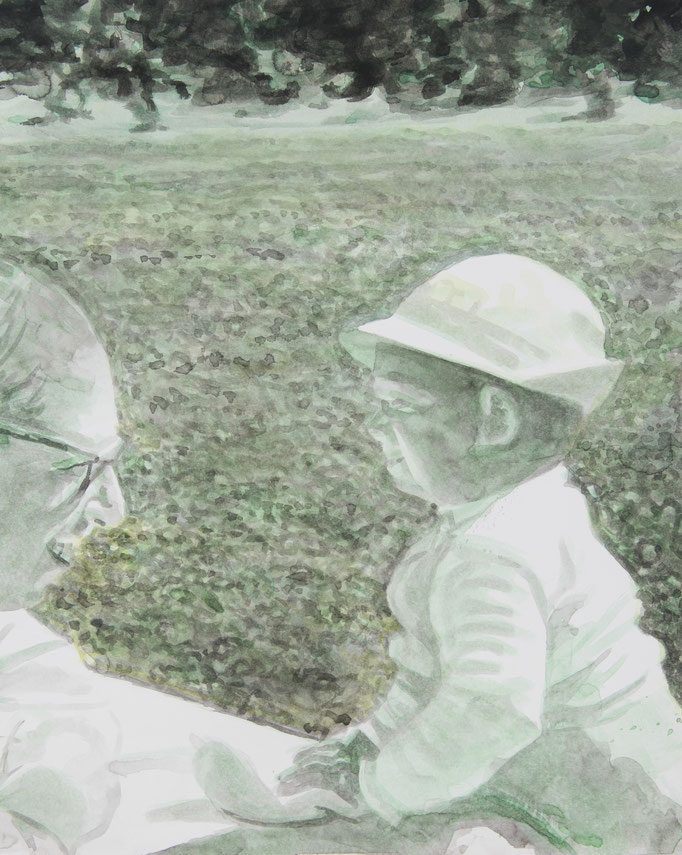
Jacob - père et fils / 2024

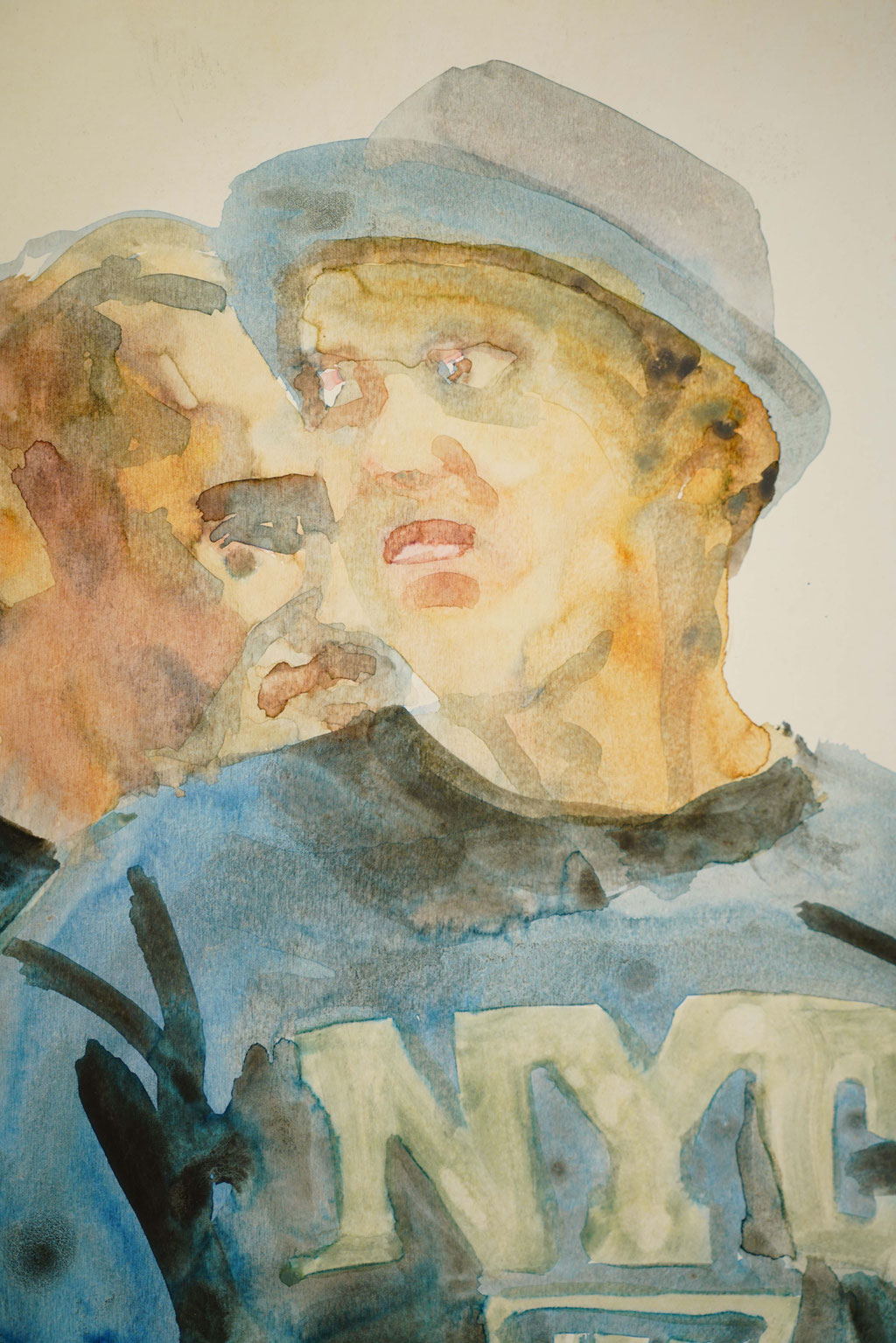
Fred & T / 2023 & détail
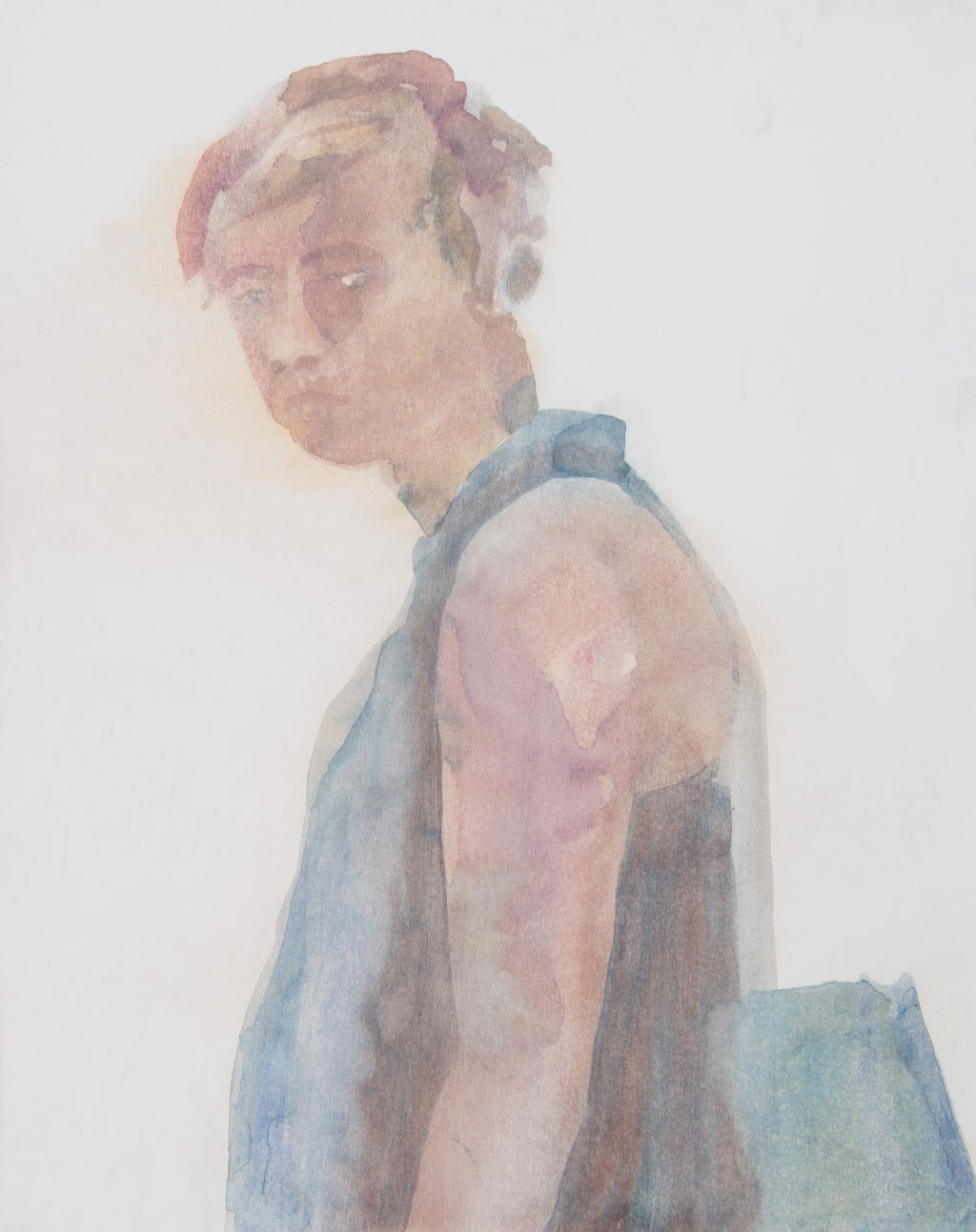
Claude 2023


40 / 30 cm
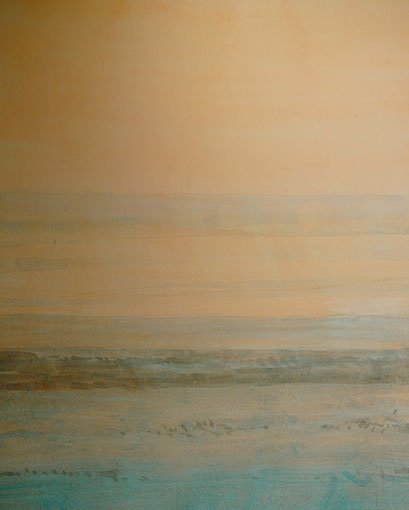
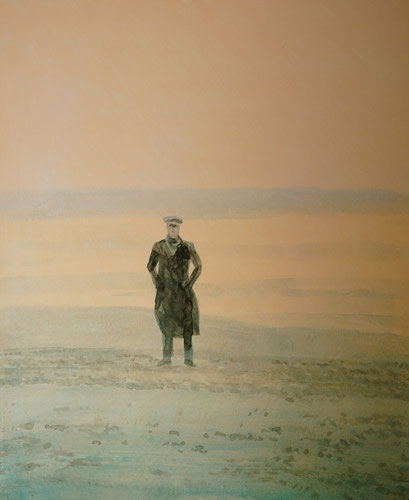

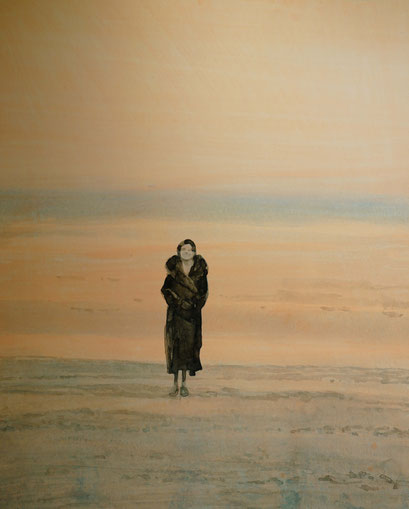
40 / 30 cm x 5
Léontine & Félix / 2022

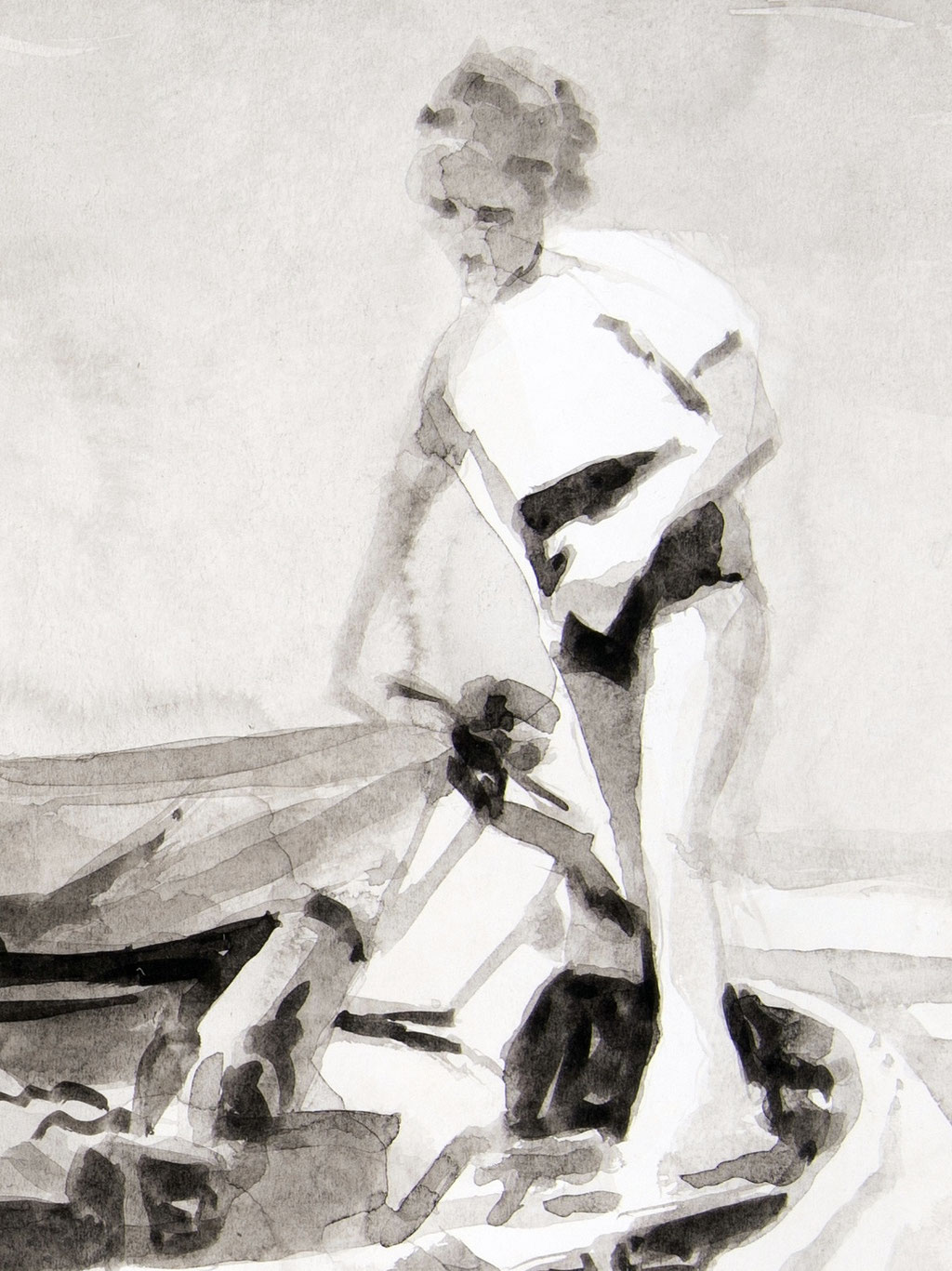
70 / 50 cm
William père & fils + détail
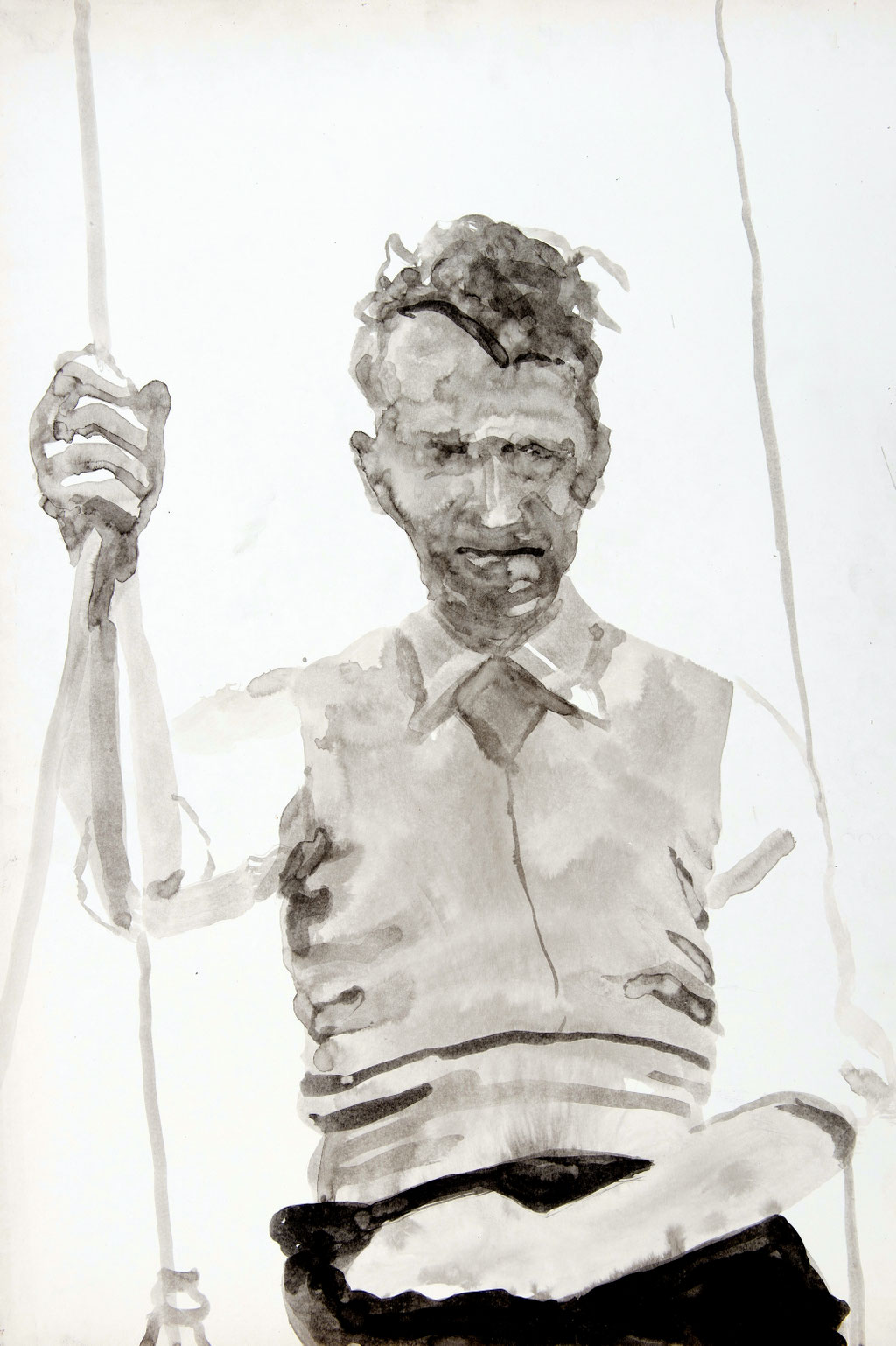

70 / 50 cm
William père + détail

70 / 50 cm x 3
Jo

détail

70 / 50 cm x 3
details
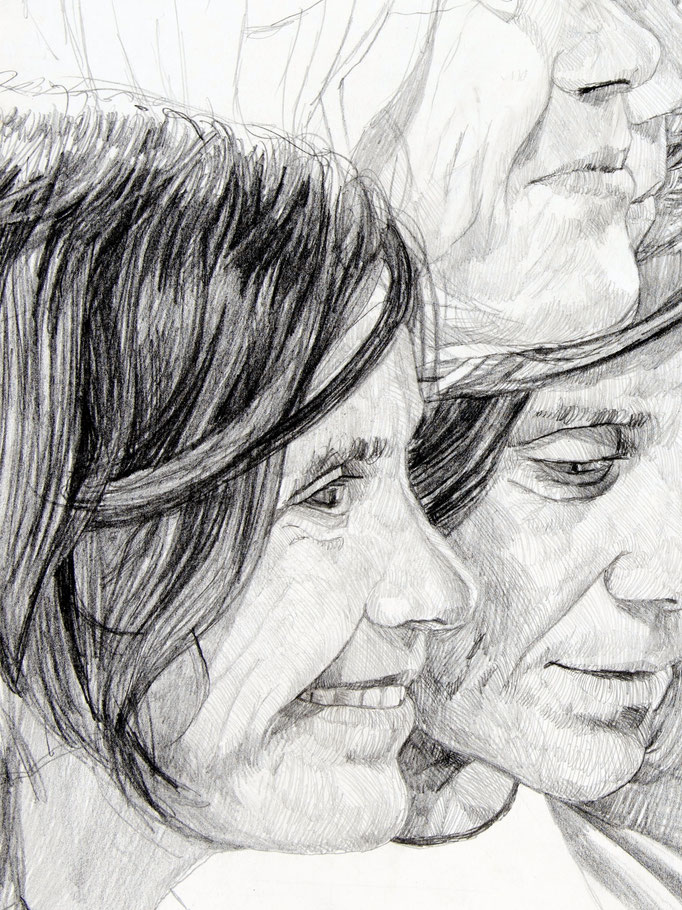


Bénédicte Savoy 2020
Bénédicte Savoy is a French academic and art historian. She is a professor of art history at the Technical University of Berlin. From 2016 to 2021, she held the international chair in ‘Cultural History of Artistic Heritage in Europe, 18th–20th Centuries’ at the Collège de France in Paris. As a specialist in the ‘translocations’ of works of art (including art theft and looting), in 2018 she co-authored a report with Felwine Sarr on the restitution of African cultural heritage for President Emmanuel Macron.
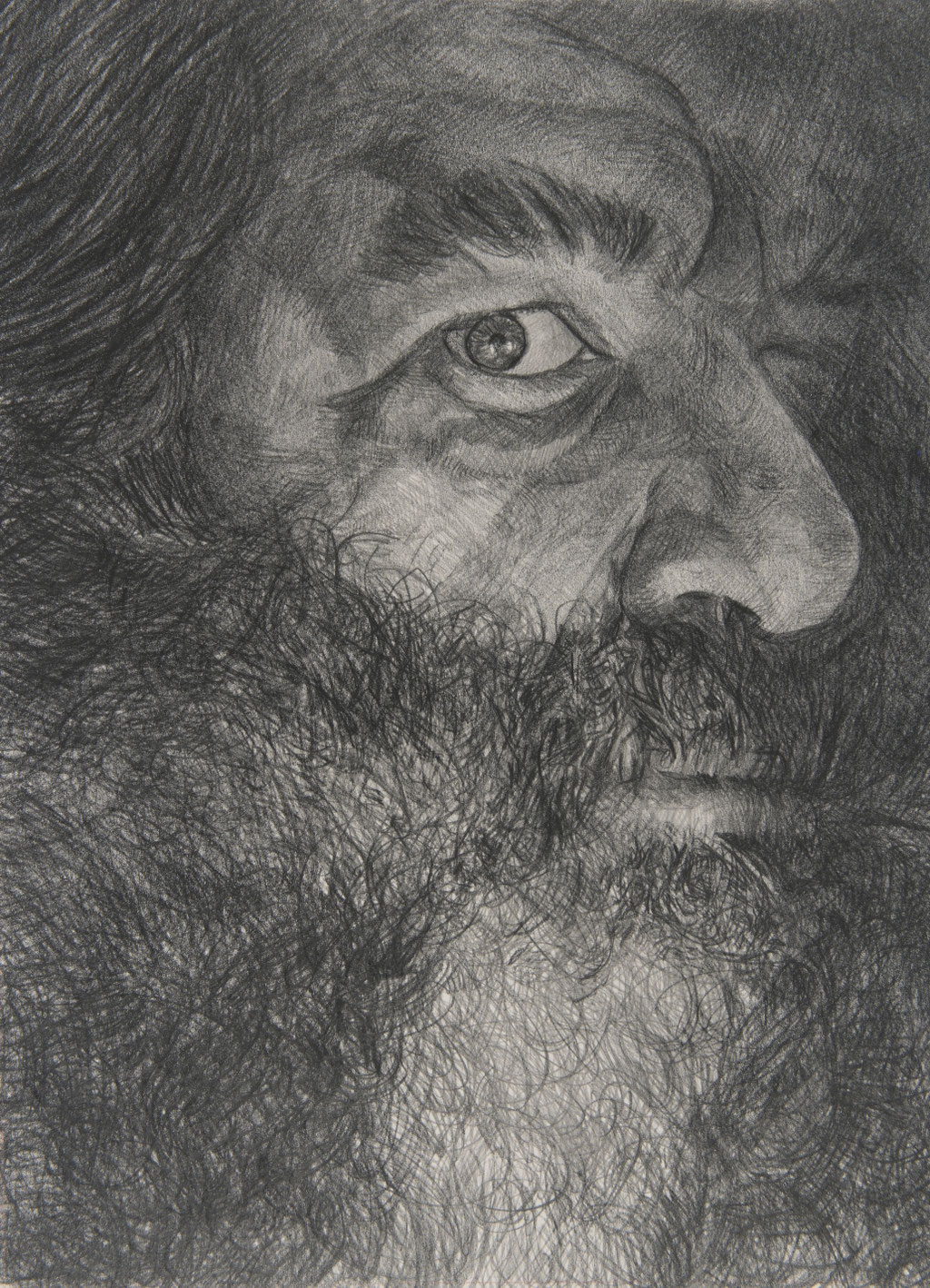

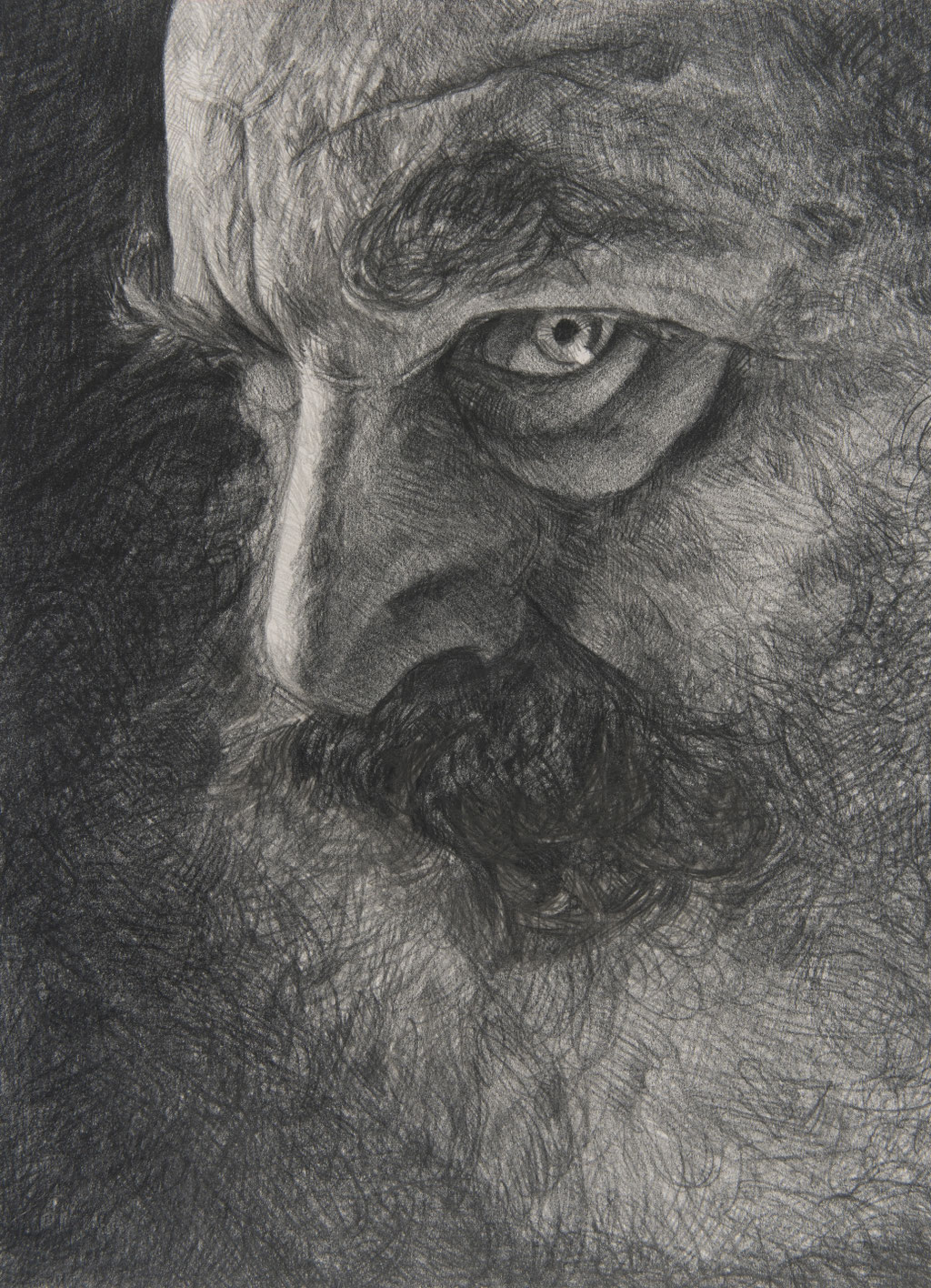
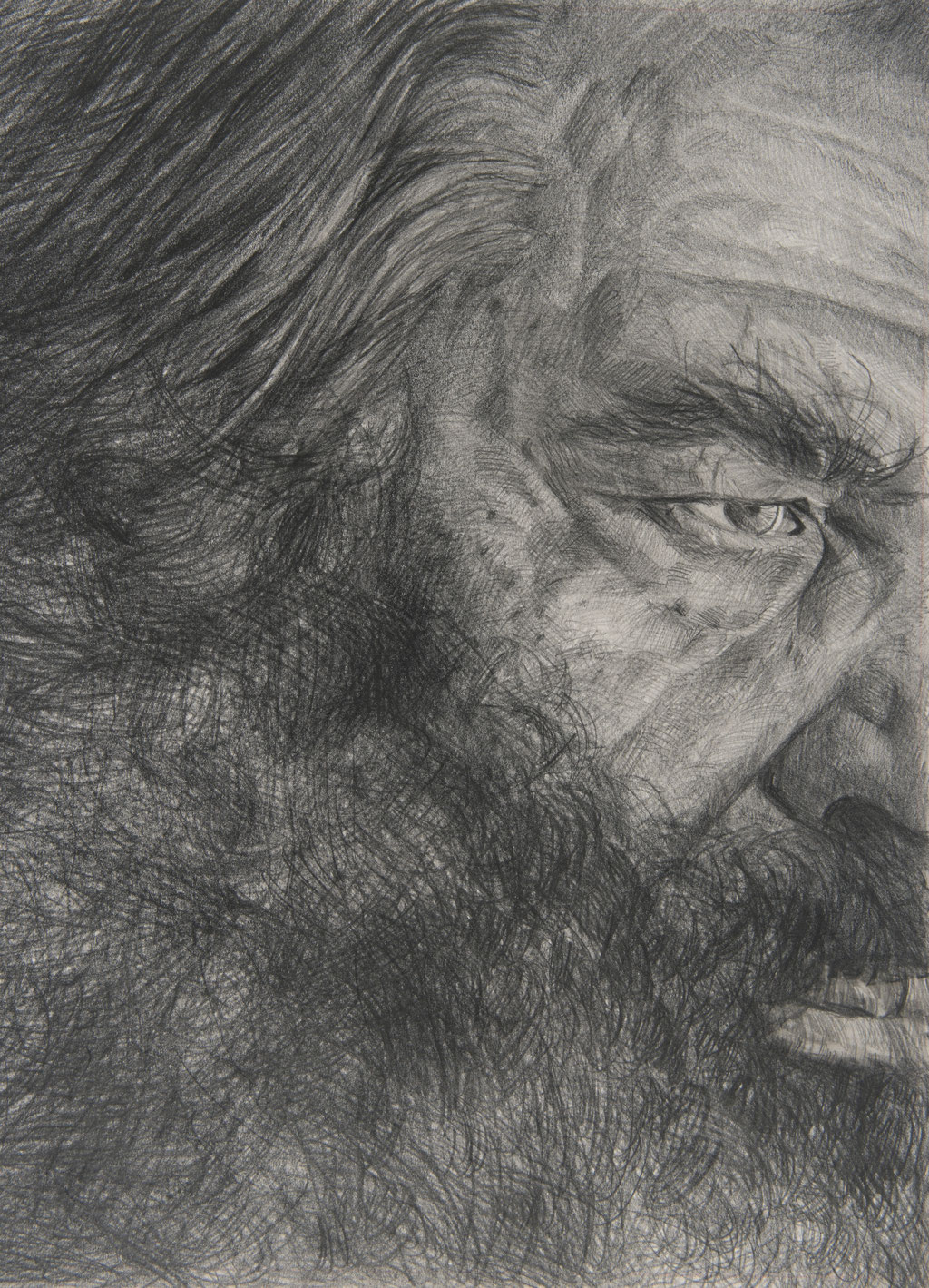
40 / 30 cm
Paul Qwest 2020 pendant le confinement covid
Paul Qwest, écrivain, curateur et collectionneur belge, a enseigné l'histoire de l'art,