BELLE DE JOUR
THE OTHER SIDE
OF A FANTASY
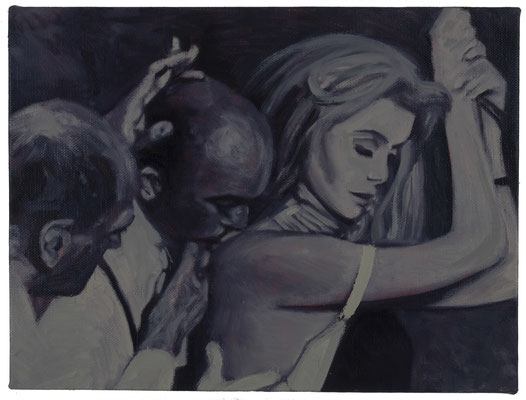



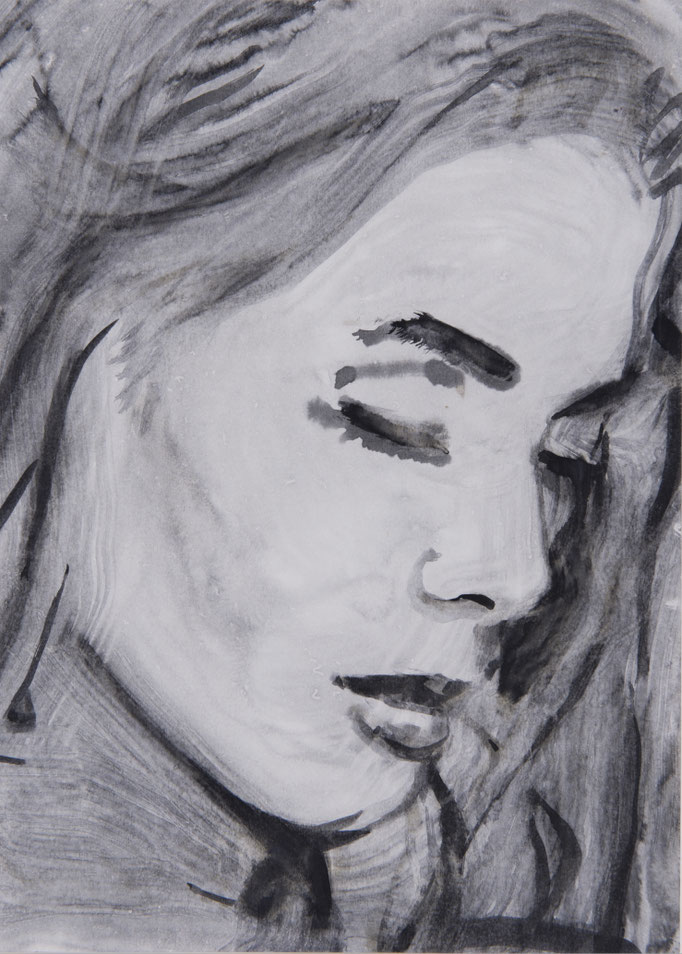


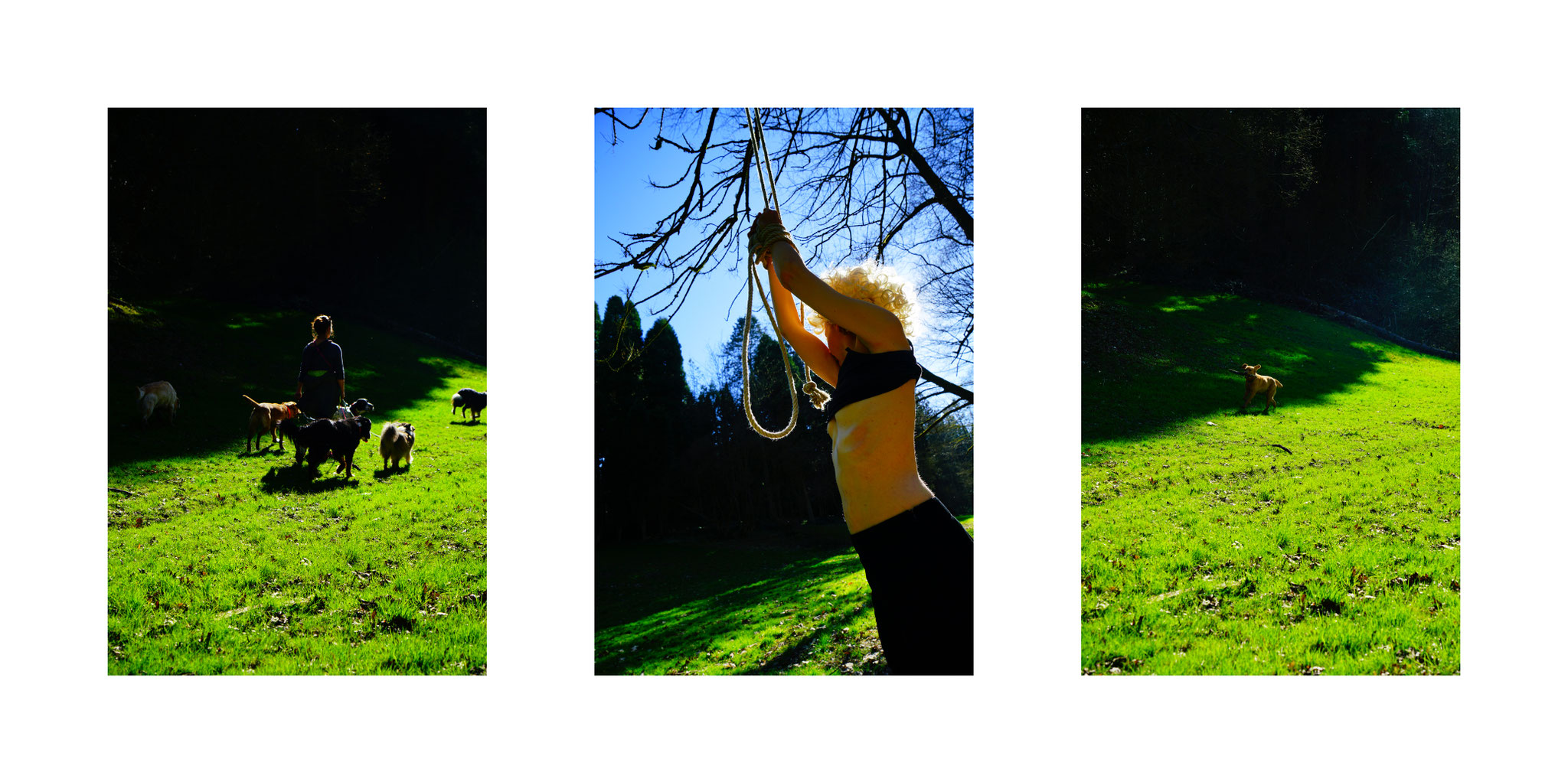
A FANTASY
10 elements
Seroux
1 painting
3 inks on paper
Ghabor Collection
3 photographs
Alex Svi
1 question
The question
Was it the contrast
between her majestic,
almost deathly stillness, and the fierce animal life
that colored her lips with dark blood,
locked her jaws
like a trap for wild beasts,
made her fists
clubs of flesh and bone?
CULTURAL CONTEXT
The novel
Belle de Jour is a novel by Joseph Kessel, published in 1928 by Gallimard. It tells the story of a young woman who seeks carnal pleasure through prostitution. The novel caused a scandal upon its release and has remained shrouded in a scandalous reputation ever since.
The novel explores the conflict between heart and body in the life of Séverine, a bourgeois woman leading a double life as a prostitute to satisfy her masochistic urges. The novel questions the duality of sexuality, desire, fantasy, and guilt in the face of social norms.
The movie
Belle de Jour is a Franco-Italian New Wave film by Luis Buñuel, released in theaters in 1967, based on the novel Belle de Jour by Joseph Kessel, published in 1928.
Séverine Serizy (Catherine Deneuve) is a young woman married to Dr. Pierre Serizy (Jean Sorel). Driven by peculiar masochistic fantasies, she loves her husband "beyond pleasure," unable to find pleasure with him. A friend of Pierre and the couple, Henri Husson (Michel Piccoli), tells Séverine about a brothel he used to frequent. She goes there and returns with increasing regularity...
GO FURTHER
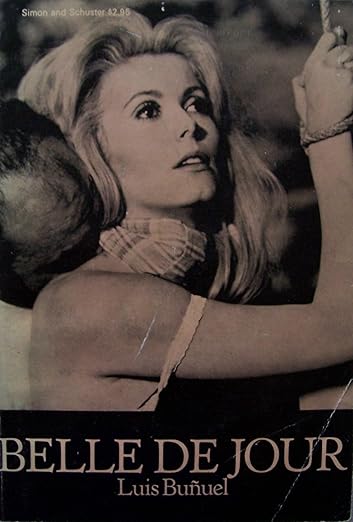
“What I attempted with Belle de Jour was to show the terrible divorce between the heart and the flesh, between a true, immense, and tender love and the implacable demands of the senses. This conflict, with very few exceptions, is carried within every man and every woman who loves for a long time. It may be perceived or not, it may tear at them or lie dormant, but it exists.”
Joseph Kessel
“She hadn’t come to the rue de Virène looking for tenderness, trust, or gentleness (Pierre already gave her all of that), but for what he couldn’t give her: that bestial, admirable joy.”
Joseph Kessel
BACK TO RESEARCH MENU SUMMARY
SUMMARY
A / Absence / A.I. / Ambitions / ARTS B / Belle de jour / Bovary C / Caldera / Confidences / Consents D / Dreams E / Escapes / Ecstasies / Enjoyments / Exhibitions G / Glutony H / Hallucinations K / King Kong theory M / Madness / Magic N / NIGHT / Night meetings / North / Nothing O / Origines / Overlays R / Rebellions / Rendez-vous / Resentments S / Sirens T / Tourism V / Vices and virtues / Viewers W / Winds
TRIBUTES / Goya / Ingres / Manet / Marlene Dumas / Rops / Rodin /
STUDIES