PAINTING
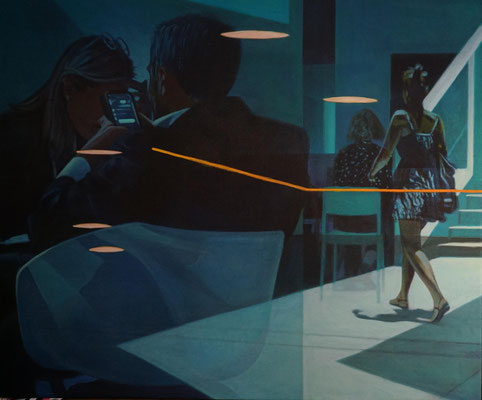
His painting is based on organised thought. The representation is structured in a figurative, rational way, attached to perspective. It conveys emotions while avoiding the impulsive reactions of the child state, which is taken into account by his alter-equal David Realh. A kind of melancholy can bring to mind a kind of emptiness that turns its back on us, the eloquence of silence.

PAINTING
Press release
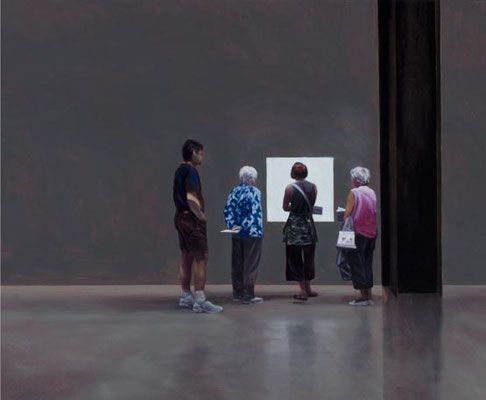
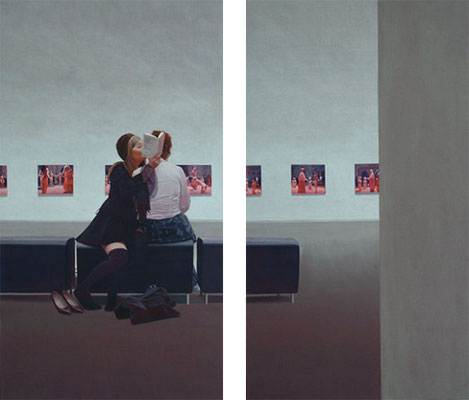
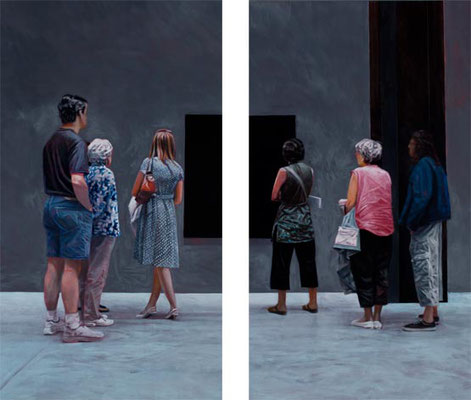
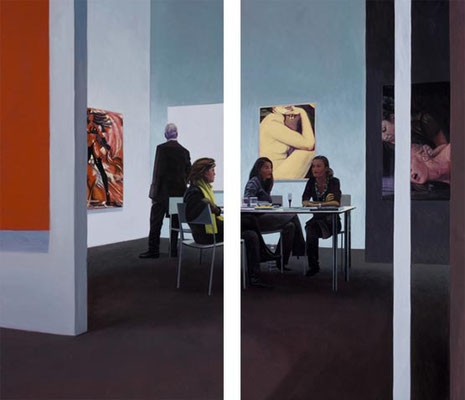
In these mises en scène or mises en abîme, we are looking at characters standing still in front of paintings or screens. And when the paintings are actually hung, in a gallery, for example, there is no longer any screen. We see people looking at his paintings, in which people are admiring other paintings. The viewer has become an integral part of the installation. We could call it an installation, an access to breathing, distance, emptiness, from behind.
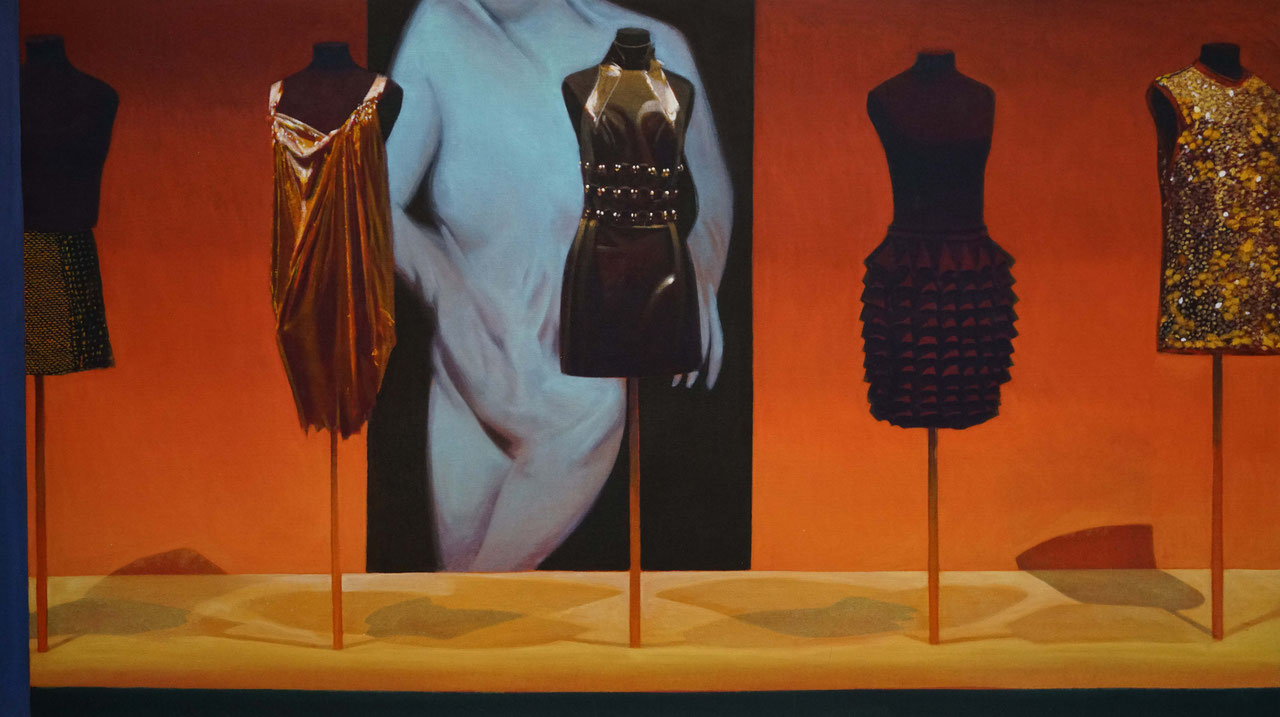
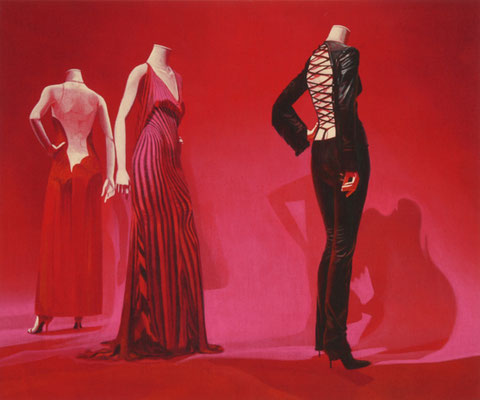
Voyeurism, indiscretion, desire: In some of the earlier paintings, the Vitrines for example, the dressed, if not unveiled, mannequins seem to be alive. They are looking at us. There is no intermediary between the scene represented and us. We may find ourselves peering into the absence, beyond an invisible pane of glass, surreptitiously.
EXHIBITION VENUES




WINDSHOWS




RECENT PAINTINGS